10 Regional American Foods That People Either Love or Refuse to Touch
America is a big country with an even bigger appetite, and every region has its own special foods. Some of them are beloved across state lines, while others rarely travel far from home. Locals often grew up eating them and cannot imagine life without them.
Visitors, on the other hand, can be a tougher crowd. Many regional dishes are made from unusual ingredients, have strong flavors, or simply look strange to people who did not grow up with them. That is why these foods tend to divide people into two camps: those who love them and those who will not take a single bite.
Here are ten regional American foods that people either love or refuse to touch. You may find a few of your own favorites on the list, along with a few you would rather avoid.
1. Scrapple
Scrapple is a breakfast staple in Pennsylvania, Delaware, Maryland, and parts of New Jersey. It is made from pork scraps and trimmings cooked with cornmeal, flour, and spices, then formed into a loaf. Slices are fried until crispy on the outside and soft inside.
Fans love its savory flavor and serve it with eggs, ketchup, or maple syrup. Others are put off once they learn what goes into it. Scrapple was born from the old farm tradition of using every part of the pig, which is part of why many families still cherish it.
2. Lutefisk
Lutefisk is a traditional Scandinavian dish that is still popular among Norwegian and Swedish American communities in Minnesota, Wisconsin, and North Dakota. It is dried whitefish, usually cod, that is soaked in lye and then rinsed and cooked. The result is a soft, jelly-like fish.
Many churches and Lutheran communities host lutefisk dinners around the holidays, and longtime fans look forward to them every year. Others find the smell and texture too much to handle. Lutefisk jokes are a common part of Midwestern humor.
3. Rocky Mountain Oysters
Despite the name, Rocky Mountain oysters have nothing to do with seafood. They are bull testicles, sliced, breaded, and deep-fried. They are popular in ranching areas of the West, including Colorado, Montana, and parts of Texas.
Some diners order them as a bold dare, while others genuinely enjoy their taste, which many describe as similar to fried calamari or tender meat. Plenty of people, however, refuse to try them once they learn what they are. They are a classic example of a food that divides a crowd.
4. Boiled Peanuts
Boiled peanuts are a beloved snack across the South, especially in Georgia, South Carolina, and Alabama. Raw or green peanuts are boiled in salty water for hours until they become soft, and they are often sold at roadside stands. In fact, the South Carolina Department of Agriculture notes that boiled peanuts are the state’s official snack.
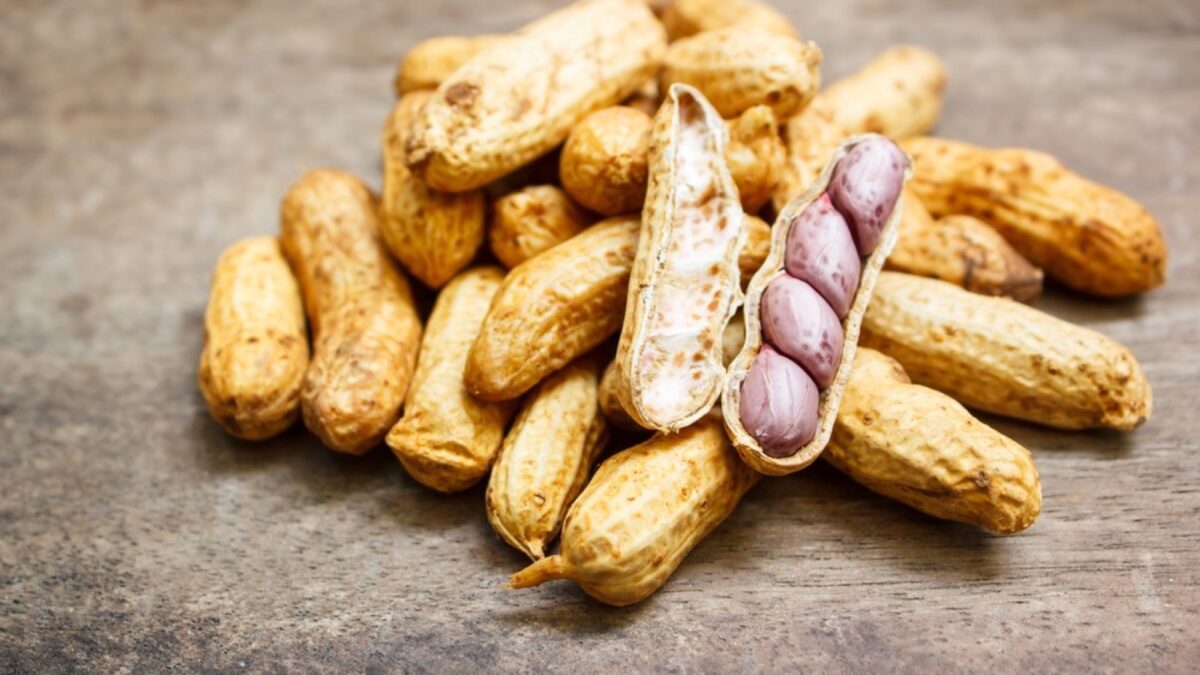
Southerners love them warm, salty, and messy. People from other parts of the country are often surprised by their soft, almost bean-like texture. Some take to them right away, while others never understand the appeal.
5. Livermush
Livermush is a North Carolina specialty made from pork liver, other pork parts, and cornmeal, seasoned with spices and formed into a loaf. Like scrapple, it is sliced and fried, usually for breakfast. It is so beloved in some parts of the state that towns hold festivals in its honor, as NCpedia explains.
Fans eat it on biscuits, in sandwiches, or alongside eggs. Others hear the word “liver” and immediately lose interest. It is a perfect example of a food that is deeply tied to local identity.
6. Poi
Poi is a traditional Hawaiian food made from cooked taro root that is pounded into a smooth paste. It can be eaten fresh, when it tastes mild and slightly sweet, or allowed to ferment for a few days, when it develops a tangy, sour flavor. It has been a staple of Hawaiian culture for centuries.
Many visitors try poi at luaus and are surprised by its texture and taste. Some people enjoy it, especially alongside salty foods like kalua pork. Others find it bland or strange. For many Native Hawaiians, though, it holds deep cultural meaning.
7. Spam Musubi
Spam musubi is a popular snack in Hawaii. It consists of a slice of grilled Spam on a block of rice, wrapped with a strip of seaweed. It is sold in convenience stores, lunch spots, and gas stations across the islands.
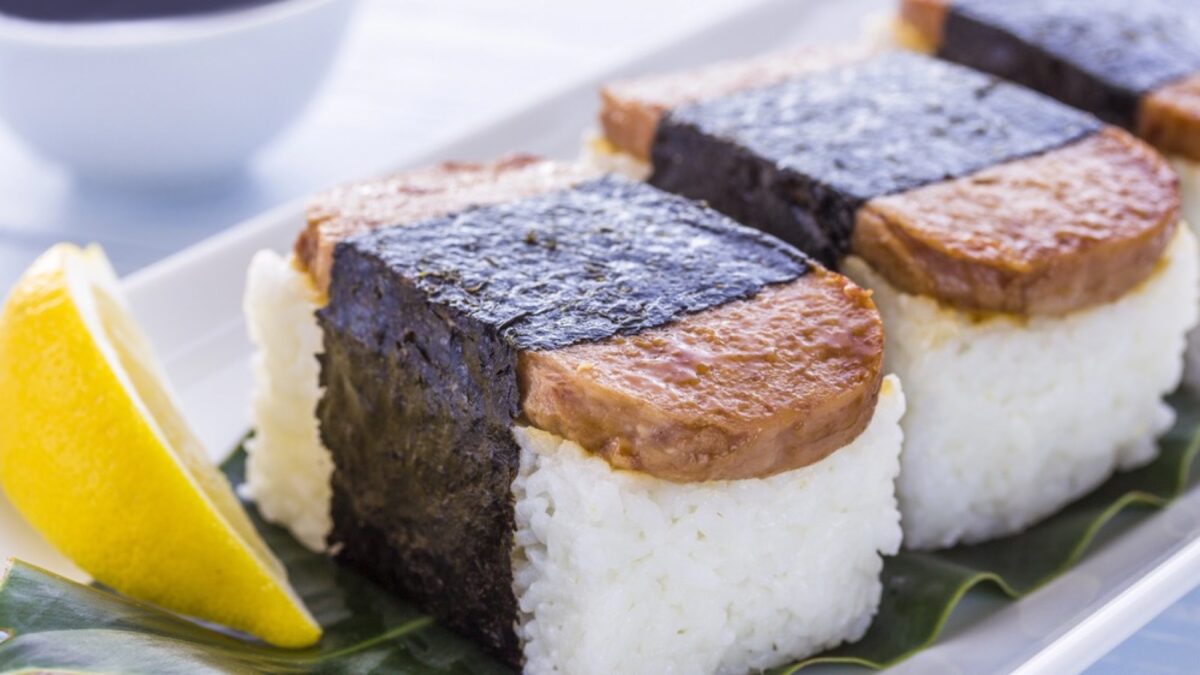
Spam became popular in Hawaii during and after World War II, when it was an easy, shelf-stable protein. Today, Hawaii residents eat more Spam per person than people in any other state. Visitors either love the salty, satisfying snack or turn up their noses at the idea of canned meat on rice.
8. Cincinnati Chili
Cincinnati chili is very different from the Texas-style chili most Americans know. It is a thin meat sauce spiced with cinnamon, cloves, and other warm spices, usually served over spaghetti and topped with a mountain of shredded cheddar cheese. Diners order it “three-way,” “four-way,” or “five-way,” depending on the toppings.
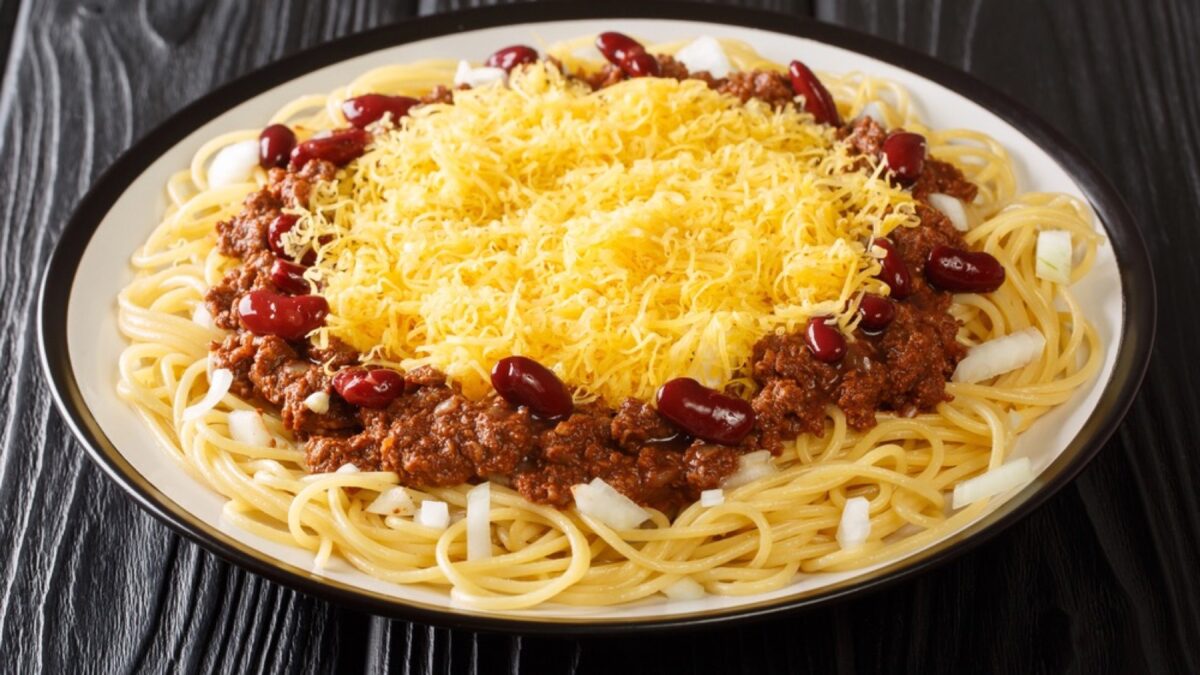
Locals are fiercely loyal to their favorite chili parlors. Outsiders are often confused by the cinnamon flavor and the spaghetti. It is a regional dish that sparks plenty of debate.
9. Chitlins
Chitlins, short for chitterlings, are pig intestines that are thoroughly cleaned, boiled, and often fried. They have deep roots in Southern and Black American cooking, where they were part of making use of every part of the animal. Many families serve them around the holidays.
Chitlins are famous for their strong smell during cooking, which can drive some people out of the house. Fans, however, love their flavor and the traditions that come with them. For many families, chitlins are a meaningful link to the past.
10. Jell-O Salads
Jell-O salads are especially popular in Utah, where gelatin is so beloved that it became an official state snack. These colorful dishes often include fruit, vegetables, marshmallows, cottage cheese, or whipped topping, all set in gelatin. They are common at potlucks, church gatherings, and family dinners.
Some people love the nostalgia and sweetness of a classic Jell-O salad. Others find the combination of ingredients baffling, especially when vegetables are involved. Either way, it is one of the most recognizable regional dishes in the country.
How to Try Regional Foods for the First Time
If you are curious but nervous, the best approach is to try these foods where they are made. Local diners, county fairs, church suppers, and festivals usually serve the most traditional versions, prepared by people who grew up eating them. A good local cook can turn a dish you were unsure about into a new favorite.
It also helps to start small. Order a side portion, share a plate with friends, or ask locals how they like to eat it. Many of these dishes taste best with specific toppings or sides, such as hot sauce on chitlins or maple syrup on scrapple. Regional food is also a window into local history, which is why so many Southern dishes have deep roots going back generations, and why some American foods puzzle visitors from abroad.
A Country of Many Tastes
These regional foods reflect the history, culture, and resourcefulness of the people who created them. What seems strange to one person is comfort food to another, and that is part of what makes American food so interesting.
Be brave on your next road trip and order something you have never tried. The locals will appreciate it, and you might discover a new favorite.