Thanksgiving Dinner Will Cost About 10% More This Year, and Turkey Is a Big Reason Why
If your Thanksgiving grocery list is starting to feel more expensive than usual, you are not imagining it. Early estimates suggest that putting the traditional holiday meal on the table will cost noticeably more in 2026 than it did last year, and the turkey is one of the biggest reasons why.
An analysis from the Alabama Cooperative Extension System found that a basket of traditional Thanksgiving foods rose by about 10% compared with 2025. Turkey prices jumped even more sharply, along with several popular side dishes. At the same time, a few items actually got cheaper, giving shoppers some room to save.
With the holiday just a few weeks away, many families are already planning their menus and budgets. Here is what the latest numbers show, which foods are costing more, and how shoppers can keep their Thanksgiving dinner affordable.
The Numbers Behind the Increase
According to the Alabama Cooperative Extension System, the estimated cost of a traditional Thanksgiving meal basket increased from about $68.38 in 2025 to $75.08 in 2026. That is an increase of about 10%.
The analysis, published November 3, was based on data from the U.S. Department of Agriculture’s Agricultural Marketing Service. It compared average retail prices from the first three full weeks of October in both years. Wendiam Sawadgo, an Alabama Extension economist, explained the findings.
Turkey Prices Jumped About 25%
The turkey, the centerpiece of most Thanksgiving tables, saw one of the steepest increases. According to the report, hen turkeys weighing less than 16 pounds averaged $1.29 per pound in 2026, up from $1.04 per pound in 2025. That is an increase of about 25%.
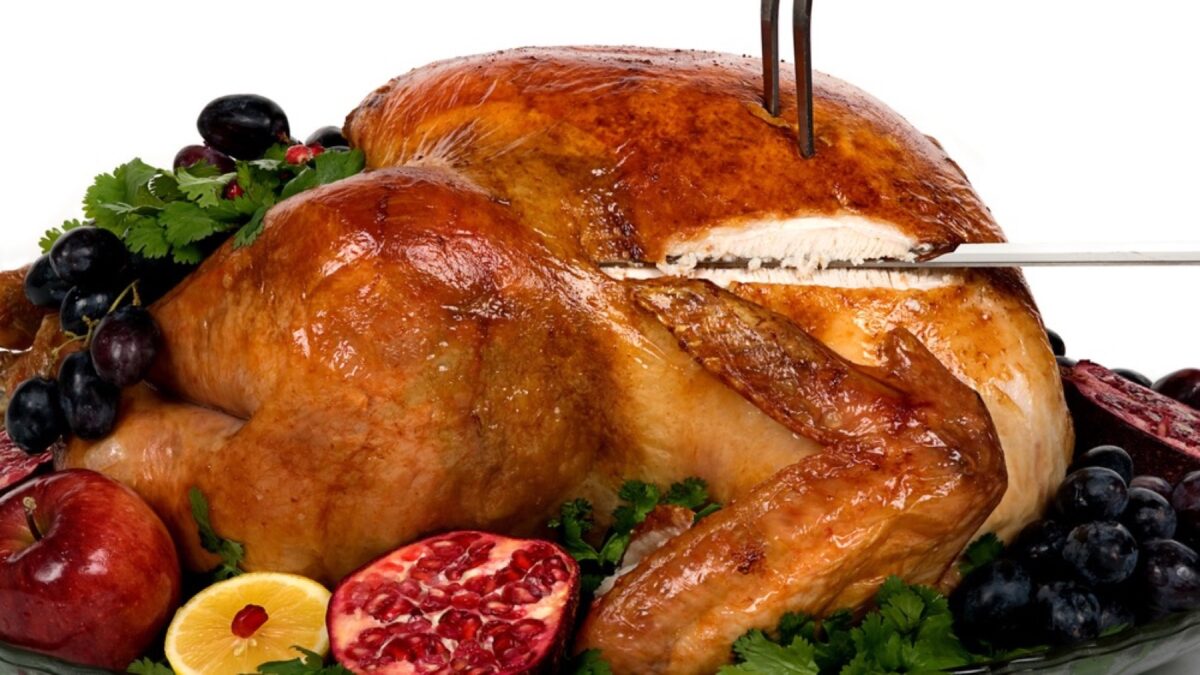
For a typical 15-pound bird, that means paying approximately $19.35 this year, compared with $15.53 last year. For families hosting large gatherings and buying bigger turkeys, the difference can add up quickly.
Side Dishes Are Costing More Too
Turkey is not the only item driving up costs. According to the analysis, fresh green beans rose nearly 70%, from about $1.92 to $3.26 per pound. Pie pumpkins increased about 57%, from $2.37 to $3.72 each.
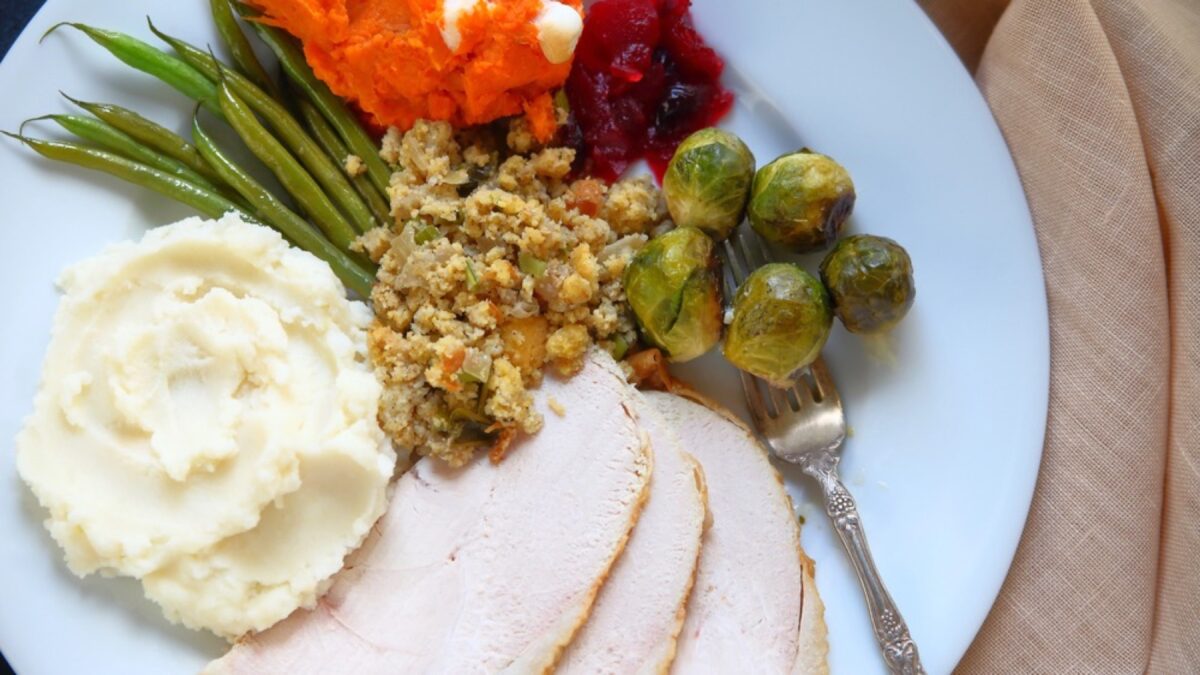
Sweet potatoes rose about 17%, while yellow squash and zucchini each increased roughly 18% to 21%. Milk also rose about 19%. For families who make their side dishes from fresh produce, these increases will be noticeable at the checkout.
Some Items Got Cheaper
There is some good news for shoppers. Not every Thanksgiving staple went up in price. Collard greens dropped dramatically, falling from $2.81 to about $1.00 per pound, according to the report.
Butter fell about 21%, which is welcome news for holiday bakers. Bacon dropped about 5%, and butternut squash declined slightly. Shoppers who plan their menus around these cheaper items can save money.
Why Prices Are Rising
Sawadgo pointed to several factors behind the higher prices. He cited increased fuel and fertilizer prices, linked to the situation in Iran, along with higher transportation and labor costs. These expenses affect farmers, processors, and grocery stores, and they are often passed on to consumers.
Food prices in general have been elevated in recent years, and holiday foods are no exception. Even small increases across many items can make a big difference when you are feeding a large group.
Other Estimates Vary
Other studies have produced different numbers, depending on what they include. According to All Ag News, one state-by-state study put the cost of Thanksgiving dinner for eight at about $117 nationally, with Wisconsin highest at around $134 and Alabama lowest at around $102.
The same report noted that major retailers are offering holiday meal deals. Walmart is promoting a 26-item meal for 10 for $35, and ALDI says its traditional basket for 10 costs under $39. These deals could help families significantly reduce their holiday food bills.
How to Save on Thanksgiving Dinner
There are several ways to keep costs down this year. Buying a frozen turkey early, when stores often offer discounts, can help. Choosing canned or frozen vegetables instead of fresh ones can also save money, as the Alabama report noted that canned green beans cost less than $1.00 per can.
Families can also take advantage of items that have dropped in price, such as collard greens and butter. Asking guests to bring a dish, potluck-style, is another way to share the cost. Store-brand products and holiday meal bundles from retailers can also make a big difference.
What Shoppers Should Know Before Buying a Turkey
If you are buying a frozen turkey, plan ahead for thawing. Food safety experts recommend thawing a turkey in the refrigerator, which takes about 24 hours for every four to five pounds. That means a large bird may need several days to thaw completely.
Many grocery stores offer discounts on turkeys in the weeks before Thanksgiving, sometimes with a minimum purchase. Comparing weekly ads and loyalty programs can help shoppers find the best deal. Some stores even offer free or deeply discounted turkeys with a qualifying grocery purchase.
Shoppers should also think about portion sizes. A common guideline is to plan for about one pound of turkey per person, which leaves some room for leftovers. Buying the right size can prevent waste and save money.
Planning the day matters too. Many big retailers will be closed on the holiday, so it helps to check the list of stores closed on Thanksgiving before you run out of something important. If oven space is tight, an air fryer or toaster oven can help, and this guide on how to free up the oven explains the options.
The Bottom Line
Thanksgiving dinner will cost more this year, but with some smart planning, families can still enjoy a delicious holiday meal without breaking the bank. Paying attention to sales, choosing budget-friendly sides, and sharing the cooking can all help.
Start planning now, compare prices, and lean on the cheaper sides this year. A little preparation can keep the focus where it belongs, on family and gratitude.