10 Uncomfortable Questions Gary Lineker’s “Tax Me More” Plea Just Threw at Britain
Gary Lineker has found another way to place himself at the center of a national argument, and this time, he is volunteering his own bank account.
The former England soccer star and longtime broadcaster has joined more than 120 UK-based millionaires urging Prime Minister Andy Burnham to introduce a two percent annual tax on personal wealth above £10 million.
The headline-grabbing message sounds almost impossible to dislike: wealthy people who can afford to contribute more should do exactly that. Yet behind the polished slogan sits a political minefield involving celebrity influence, government spending, tax avoidance and the question of whether a group of rich volunteers truly speaks for Britain’s wider wealthy class.
Is Lineker Being Brave or Simply Making an Easy Promise?
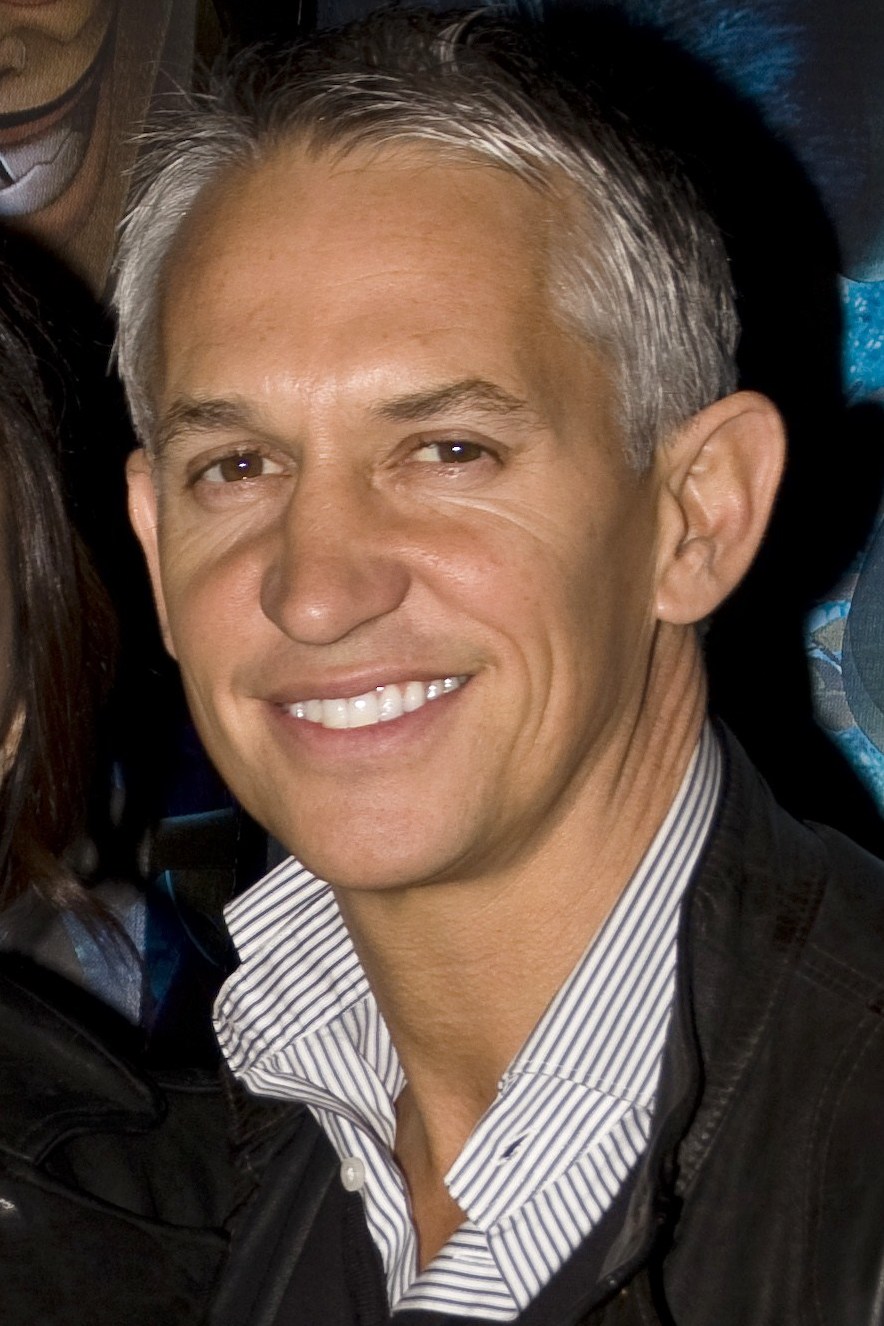
Liton Ali, CC BY 2.0, via Wikimedia Commons Licensed Under Gary Lineker
It is unusual to see a millionaire publicly request a larger tax bill, which is precisely why Lineker’s name has pushed the campaign beyond financial policy circles.
He argues that paying a fair share reflects a basic British value and that the richest citizens can contribute more without facing the financial pressure endured by ordinary households.
Supporters may see refreshing honesty from a public figure willing to put his own wealth on the table. Critics may counter that signing a public letter is much easier than living under a complicated tax system that has not yet been fully designed.
The Proposal Sounds Simple Until the Fine Print Arrives
The campaign is calling for a two percent annual levy on wealth exceeding £10 million. In theory, the tax would apply only to the portion of a fortune above that threshold, rather than every pound a wealthy person owns.
Campaigners estimate that the proposal could affect a tiny fraction of the British population while raising billions of pounds each year for public services.
That estimate is one of the plan’s strongest selling points, but it is still an estimate. The final amount collected would depend on exemptions, enforcement, asset valuations and how wealthy taxpayers responded once the policy became real.
A Celebrity Face Can Make Tax Policy Look Deceptively Easy
Lineker knows how to command attention. His career has taken him from England’s soccer fields to some of Britain’s largest television audiences and a successful podcast business.
That reach gives the campaign something most tax proposals lack: a recognizable face capable of turning a technical policy argument into a viral culture war.
Fame can also flatten the discussion. Instead of debating whether the proposal would work, audiences may simply choose between cheering Lineker and attacking him.
The Other Millionaires Matter More Than the Famous Name
Lineker is not making the demand alone. The campaign includes business owners, investors, musicians and economists who say Britain’s wealthiest citizens should make a larger contribution.
Their involvement helps the campaign argue that support for higher wealth taxes does not come only from politicians or activists who would never personally pay the charge.
Still, critics may question whether a group created to advocate higher taxes can represent the millions of wealthy people who remained silent, disagreed, or never had the opportunity to sign.
Lineker’s Old Tax Fight Will Follow Him Into This Debate
Any celebrity demanding tax reform should expect their own history to receive fresh attention.
Lineker previously fought a major dispute with Britain’s tax authority over whether income from his broadcasting work fell under rules covering disguised employment.
A tribunal ruled in his favor, and Lineker maintained that he had already paid all taxes owed. That legal victory does not weaken his current argument, but critics will almost certainly bring the old fight back into the spotlight.
Britain’s Prime Minister Cannot Ignore the Timing
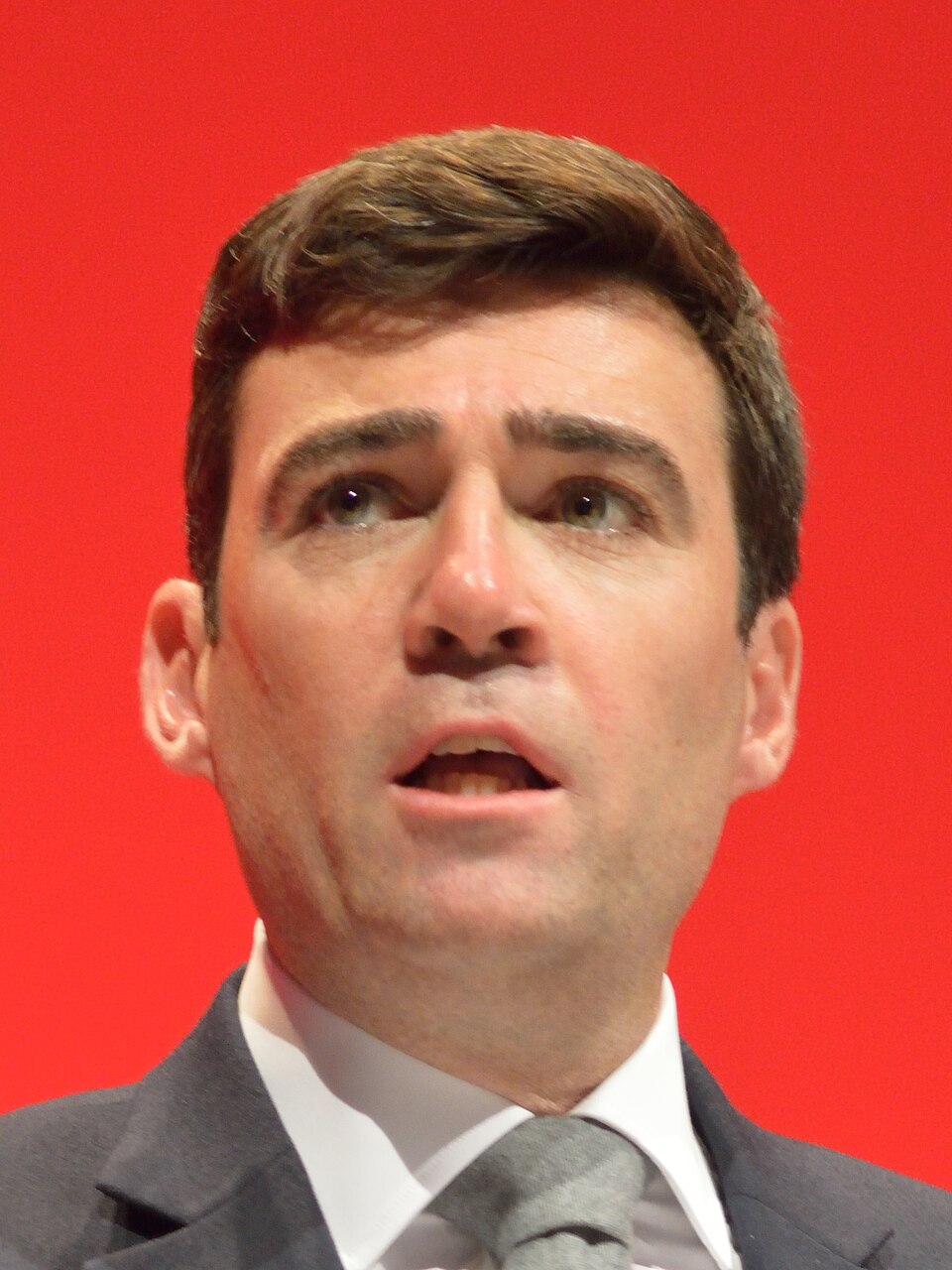
The letter arrived as Andy Burnham’s government faced pressure to explain how it would pay for public investment, cost-of-living support, and strained national services.
That makes Lineker’s demand politically useful and deeply awkward at the same time.
Burnham can point to wealthy volunteers asking to pay more. However, adopting the proposal could expose his government to accusations that Britain is becoming hostile to investors, entrepreneurs and anyone who has built a large fortune.
The Biggest Problem May Be Deciding What Counts as Wealth
Taxing a salary is relatively straightforward because the money has a visible value. Measuring a fortune filled with private companies, trusts, property, farmland, artwork and overseas assets is far more complicated.
A mansion can be valued. A bank account can be counted. A privately owned company that has never been sold may be much harder to price accurately every year.
The debate therefore centers on more than fairness. It also involves whether the government can build a system that collects the tax without creating endless disputes, loopholes and expensive legal challenges.
“They Can Just Leave” Is More Than a Throwaway Objection
Opponents frequently warn that the ultra-wealthy could move themselves, their companies or their assets abroad.
Supporters say strong exit rules, reporting requirements and enforcement could make that escape more difficult. They also argue that governments hear the same warnings whenever wealthy people face higher taxes.
The objection does not automatically destroy the proposal, but it raises a serious question. How much money would remain after avoidance, relocation, legal challenges and the cost of administering the system?
Americans Have Heard a Similar Argument Before
The Lineker debate will sound familiar to many US readers.
American politicians have repeatedly proposed taxes targeting billionaires, extreme concentrations of wealth and investment gains. Those plans often collide with arguments over valuation, constitutional limits and fears that the wealthy will move money elsewhere.
Britain’s proposal may use a different threshold, but the emotional divide is nearly identical. One side sees a system that rewards accumulated wealth more generously than work. The other fears that politicians will begin with multimillionaires before eventually expanding the target.
The Real Fight Is About Trust, Not Gary Lineker
This story may begin with a famous former soccer star, but it will not end with him.
The lasting argument is whether voters trust the government to collect billions from extreme wealth without wasting the money, discouraging investment or eventually reaching deeper into middle-class pockets.
Lineker and his fellow signatories have delivered a message designed to sound almost impossible to reject: tax people like us instead of squeezing everyone else.
Now the government must decide whether that invitation offers a serious path toward funding public services or simply opens another expensive political battle that Britain is nowhere near ready to settle.