Terrifying McDonald’s Hot Oil Assault Raises Urgent Workplace Safety Questions
A Yuba City McDonald’s manager suffered severe burns after a coworker allegedly threw hot oil on him, spotlighting hidden dangers in fast food workplaces.
McDonald’s hot oil assault, Yuba City McDonald’s burn, Jacob Smith injury, Jalani Bluett charges, workplace violence in fast food
Police Detail the Incident and Immediate Response

Local authorities responded to a 911 call around 11:15 p.m. on May 30. Officers arriving at the Harter Parkway McDonald’s found Smith with visible, severe burns. His mother described hearing her son ask why this had happened, emphasizing the emotional and physical gravity of the incident. Bluett reportedly fled the scene and was initially reported missing as an at-risk individual due to preexisting vulnerabilities, but was later located and arrested. Prosecutors filed multiple felony charges, including assault with a deadly weapon and battery causing serious bodily injury, and Bluett has pleaded not guilty.
Police sources indicate that the alleged assault took place near the manager’s office rather than the main kitchen line, suggesting a deliberate act rather than an accidental spill. This distinction underscores the potential for high-risk areas in fast-food operations and highlights gaps in safety protocols during late-night shifts.
Hot Oil: A Silent Weapon in Fast Food Kitchens
While fryer burns are a known hazard in restaurants, intentional use of hot oil elevates the risk to life-threatening levels. Hot oil can cause severe tissue damage within seconds, and burns to critical areas like the face and hands often require extensive medical interventions, including skin grafting. Smith’s recovery will likely involve months of hospitalization, rehabilitation, and emotional support, illustrating the dual physical and psychological impacts of workplace assaults in high-risk environments.
Safety experts point out that commercial kitchens are already volatile spaces. Heavy equipment, high temperatures, and time-sensitive tasks create a precarious environment. When human conflict intersects with these hazards, the potential for catastrophic injury multiplies.
Closing Shift Turns Deadly for Young Manager
A routine closing shift at a Yuba City McDonald’s exploded into a life-altering crisis when 20-year-old manager Jacob Smith suffered severe burn injuries from an alleged hot oil assault. According to family and police reports, Smith was preparing to finalize nightly duties when coworker Jalani Jermaine Bluett allegedly threw scalding oil over him, targeting areas including his face, neck, hands, shoulders, and upper back. The attack transformed a fast-food routine into a nightmare, leaving Smith in intensive medical care and sparking a nationwide conversation about late-night fast food safety.
Beyond the physical trauma, the incident has thrown a spotlight on the psychological toll for employees exposed to sudden workplace violence. Many fast food workers, already navigating high-stress environments, are left grappling with fear, anxiety, and uncertainty about returning to work after witnessing or experiencing such attacks.
Psychological Trauma Extends Beyond the Victim
The repercussions of the alleged assault ripple far beyond the immediate victim. Coworkers who witness or learn of the attack may experience acute stress, fear of returning to work, and decreased morale. For young employees in fast food environments, the combination of low pay, high stress, and exposure to dangerous equipment can intensify feelings of vulnerability. Addressing mental health in the aftermath of such incidents is just as critical as treating physical injuries.
Family members report that Smith is dealing with both physical pain and emotional shock. The betrayal by a coworker adds a layer of trauma that complicates recovery, as trust within the workplace has been shattered, leaving staff to navigate lingering fear and uncertainty.
Legal Proceedings Could Set Precedents
Bluett’s pending court case may reveal additional details, including the timeline, the location of the alleged attack, witness statements, and potential motives. While prosecutors pursue felony charges, the legal process will determine whether the assault meets the criteria for severe criminal penalties. The case also raises questions about franchise responsibility, oversight, and the broader implications for fast food chains nationwide.
Fast food operators are likely to scrutinize safety protocols, focusing on prevention measures and risk reduction strategies. This includes comprehensive employee training, surveillance coverage, conflict reporting mechanisms, and measures to protect employees during vulnerable late-night shifts.
Safety Recommendations for High-Risk Workplaces
Experts recommend that fast food establishments implement a multi-layered approach to mitigate workplace violence risks:
- Protective procedures: Clear rules for handling hot oil and other dangerous equipment.
- Conflict management training: Employees should be trained to recognize early warning signs and report threats immediately.
- Closing shift safeguards: Ensuring managers are not isolated with potentially aggressive coworkers, possibly including buddy systems.
- Emergency response plans: Staff must know how to respond to injuries or acts of aggression, including providing immediate medical attention and contacting law enforcement.
A culture of safety must integrate both physical hazard prevention and human behavioral awareness to reduce the chance of tragic incidents like Smith’s.
Late-Night Shifts Highlight Workplace Vulnerabilities
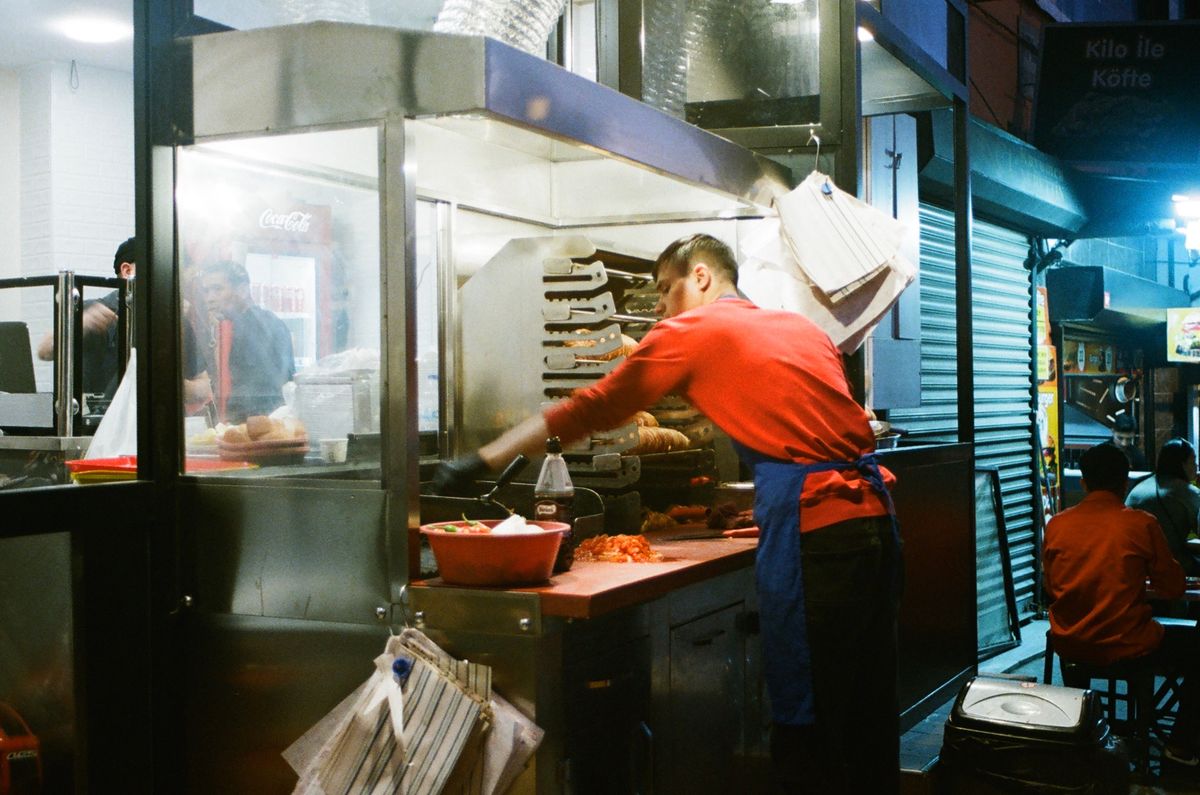
Closing shifts in fast food establishments inherently carry unique risks. Reduced staff, isolated offices, cash handling, and the pressure to meet deadlines create blind spots where conflicts can escalate unnoticed. In Smith’s case, his alleged assault occurred while managing end-of-shift duties in an area not actively monitored by cameras or supervisors. This scenario underscores systemic vulnerabilities in fast-food workplaces that require attention, including staffing policies, conflict-escalation training, and the secure handling of high-risk materials such as hot oil.
Community Reaction Amplifies the Conversation
The alleged attack has drawn national attention, with social media users expressing outrage, sympathy, and concern for workplace safety. Online fundraisers and local community support highlight the human cost of such incidents, emphasizing the need for employers to adopt proactive measures and for lawmakers to consider protections for vulnerable workers in high-risk sectors.
Jacob Smith’s harrowing experience exposes critical gaps in fast food workplace safety and highlights the profound physical and psychological consequences of workplace violence. Beyond the immediate shock of the hot oil attack, it raises pressing questions about late-night shift protocols, staff monitoring, employee mental health, and organizational accountability. The incident serves as a wake-up call for both franchise owners and employees to strengthen safety practices before another life is altered in an instant.