9 Dinner Rules Boomer Families Followed That Modern Families Ignore
For baby boomers, dinner was not just a meal. It was a daily ritual with clear rules, and everyone in the family was expected to follow them. Children learned these rules early, often from strict parents who believed that good manners at the table reflected good character.
Breaking a dinner rule could lead to a stern look, a lecture, or even being sent to your room without dessert. These rules helped create order in busy households and gave families a regular time to connect. For many boomers, they are some of their strongest childhood memories.
Today, many modern families have relaxed or abandoned these traditions. Busy schedules, technology, and changing parenting styles have reshaped how families eat together. Here are nine dinner rules boomer families followed that many modern families now ignore.
1. Everyone Eats Together at the Same Time
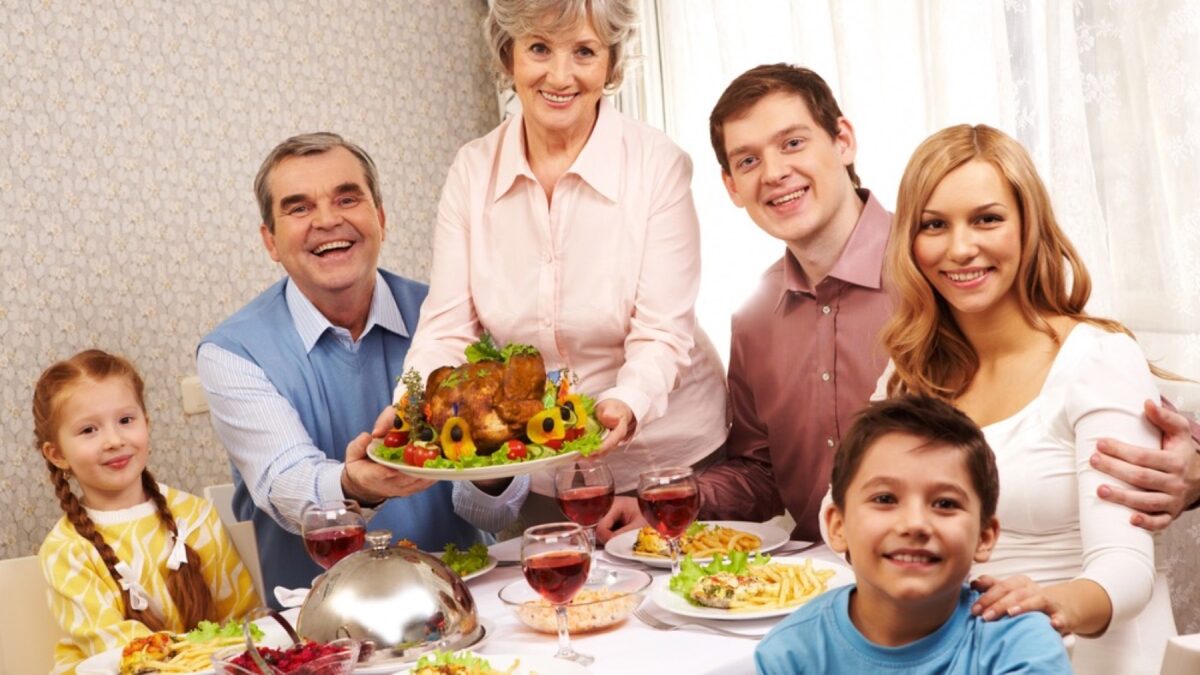
In boomer households, dinner was served at the same time every evening, and everyone was expected to be there. Dad came home from work, Mom put the food on the table, and the whole family sat down together. Missing dinner without a good reason was not acceptable.
Today, many families eat at different times because of work schedules, sports practices, and other activities. Some family members grab food on the go, while others eat in front of a screen. Many experts say regular family meals are worth protecting when possible.
2. No Television During Dinner
In many boomer homes, the television stayed off during dinner. Families talked about their day, shared news, and enjoyed each other’s company. Some families even had a rule against answering the phone during meals.
Today, televisions, tablets, and smartphones are common at the dinner table. Many families eat while watching shows or scrolling through social media. For boomers, this change is one of the biggest differences between their childhood and modern family life.
3. Wait Until Everyone Is Served Before Eating
Boomer children were taught to wait until everyone at the table had been served before picking up their forks. In many homes, the mother was the last to sit down, and no one ate until she did. It was a sign of respect.
In many modern households, people start eating as soon as their plate is ready. Some families eat buffet-style, with everyone serving themselves at different times. The tradition of waiting together has faded in many homes.
4. Say Grace Before the Meal
In many boomer households, dinner began with a prayer of thanks. Families bowed their heads and said grace together, often led by the father. It was a moment of gratitude and reflection before eating.
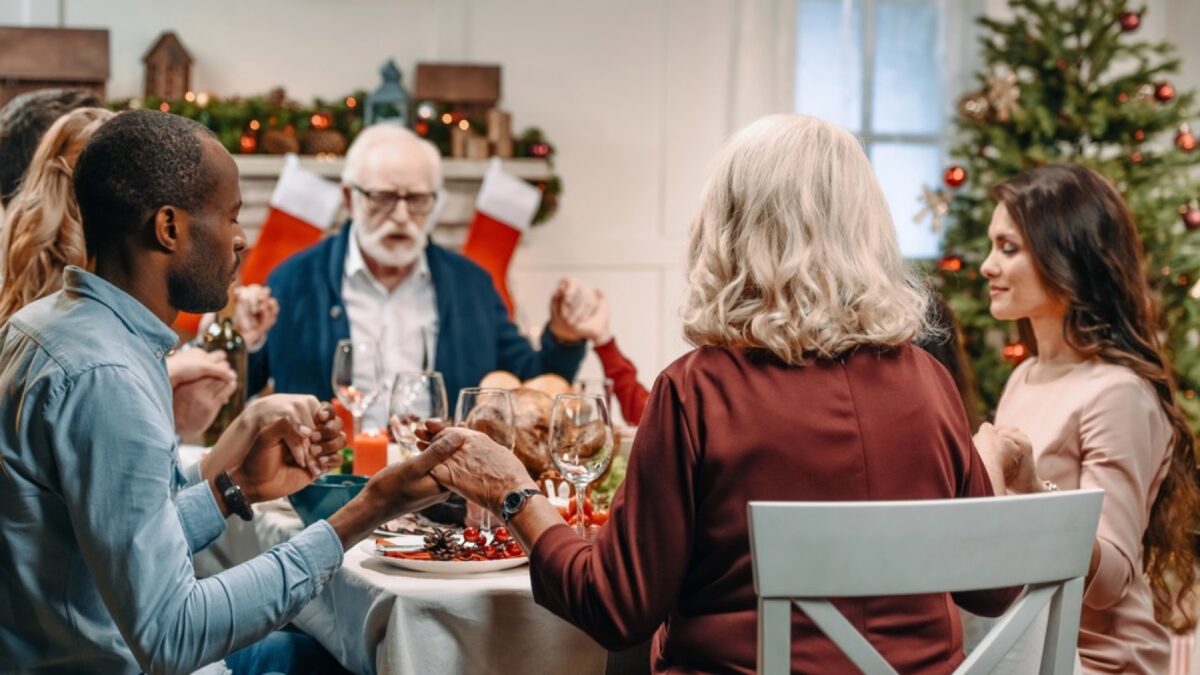
While many families still say grace, the practice has become less common over the years. Some families have replaced it with a moment of thanks or skipped it altogether. For many boomers, though, it remains an important part of family meals.
5. Clean Your Plate
The “clean plate” rule was common in boomer households. Children were expected to eat everything on their plate, and wasting food was considered wrong. Many parents reminded their kids about hungry children in other parts of the world.
Today, many parents take a different approach, encouraging children to listen to their own hunger and fullness. Some experts believe forcing kids to clean their plates can lead to unhealthy eating habits. Boomers, however, often remember the rule as part of learning not to waste food.
6. Ask to Be Excused
Boomer children could not simply get up and leave the table when they were finished. They had to ask, “May I please be excused?” and wait for permission. Leaving without asking was considered rude.
In many modern homes, children leave the table whenever they are done eating. The tradition of asking to be excused has largely disappeared. Many boomers still find it surprising when kids simply walk away from dinner.
7. Elbows Off the Table
“Elbows off the table” was a common reminder in boomer households. Parents taught children to sit up straight, keep their elbows off the table, and use proper table manners. These rules were considered essential for polite behavior.
Today, many families have relaxed their table manners. Some still teach the basics, but strict rules about posture and elbows have become less common. Boomers often notice the difference when dining with younger families.
8. Eat What Is Served
In boomer households, there was usually one meal for everyone. If a child did not like what was for dinner, they were told to eat it anyway or go hungry. Mothers did not make separate meals for picky eaters.
Many modern parents are more willing to accommodate children’s preferences. Some make separate meals or offer alternatives. Boomers often feel that this approach encourages picky eating.
9. Help Clear the Table and Wash Dishes
After dinner, boomer children were expected to help clean up. They cleared the table, washed and dried dishes, and put everything away. Dishwashers were less common, so kids often stood at the sink with their siblings.
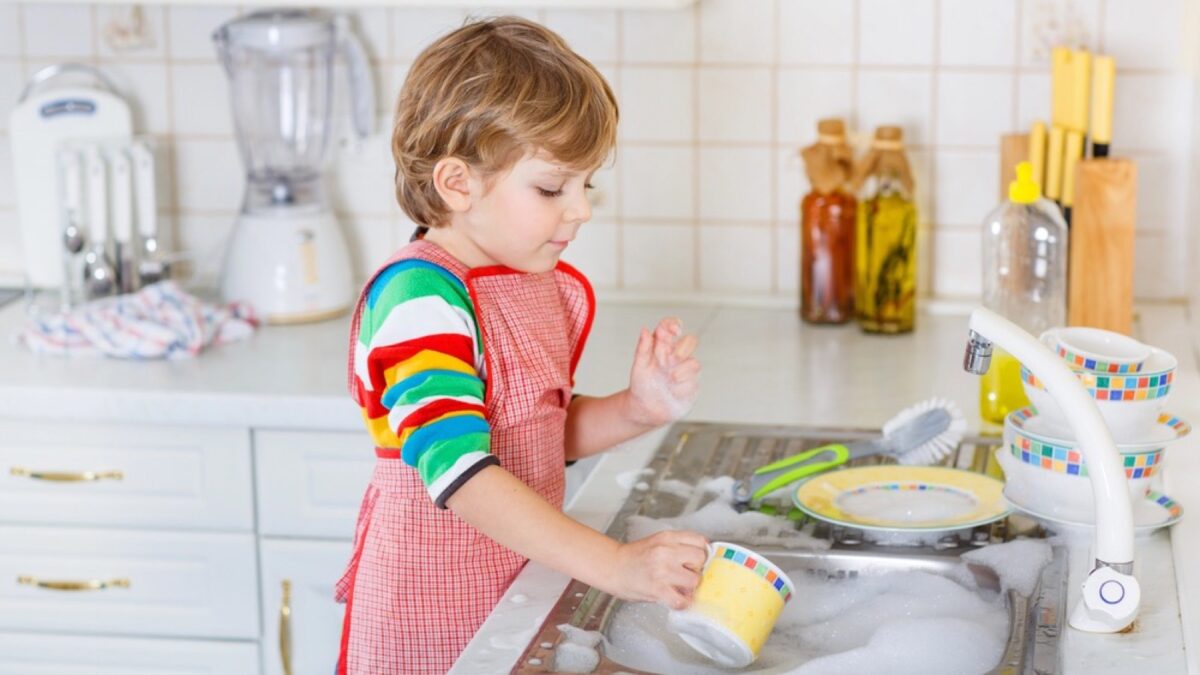
Today, many families have dishwashers, and children may not be expected to help as much. Some families still assign chores, but others handle cleanup themselves. Boomers often remember doing dishes as part of family life.
Why Family Meals Still Matter
Many of the old dinner rules were designed to bring families together, and research suggests that shared meals still matter. Experts interviewed by the Harvard Graduate School of Education have pointed to studies linking regular family dinners with healthier eating, better conversations, and stronger relationships between parents and children.
The key, according to many experts, is not perfection but connection. A family does not have to follow every boomer rule to enjoy the benefits. Simply sitting down together a few times a week, putting phones away, and talking about the day can make a difference.
Some families are blending old and new traditions. They might keep the no-phones rule but relax about elbows on the table, or ask everyone to help clean up without insisting on a strict dinner time. Many boomers and younger parents see everyday manners very differently, so finding a balance that works for each family is what matters most. Even some old-school etiquette rules that have faded can be worth bringing back at the dinner table.
Old Rules, New Lessons
Many of these dinner rules helped boomer families create structure, respect, and connection. While some rules may seem strict today, others still offer valuable lessons. Eating together without screens, for example, can strengthen family bonds.
Modern families may not follow every rule, but they can choose the traditions that matter most to them. A shared meal, without screens and with plenty of conversation, is a good place to start.