Skip the Deep Fryer, These Oven Chicken Tenders Bring the Crunch Without the Mess
You don’t need a countertop fryer or a pot of sizzling oil to make chicken tenders with a golden, crisp coating and a juicy middle. A hot oven, a simple three-step breading station, and a quick spritz of oil can deliver weeknight chicken tenders that disappear faster than you can set out the dipping sauces.
The deep-fryer-free method is refreshingly simple
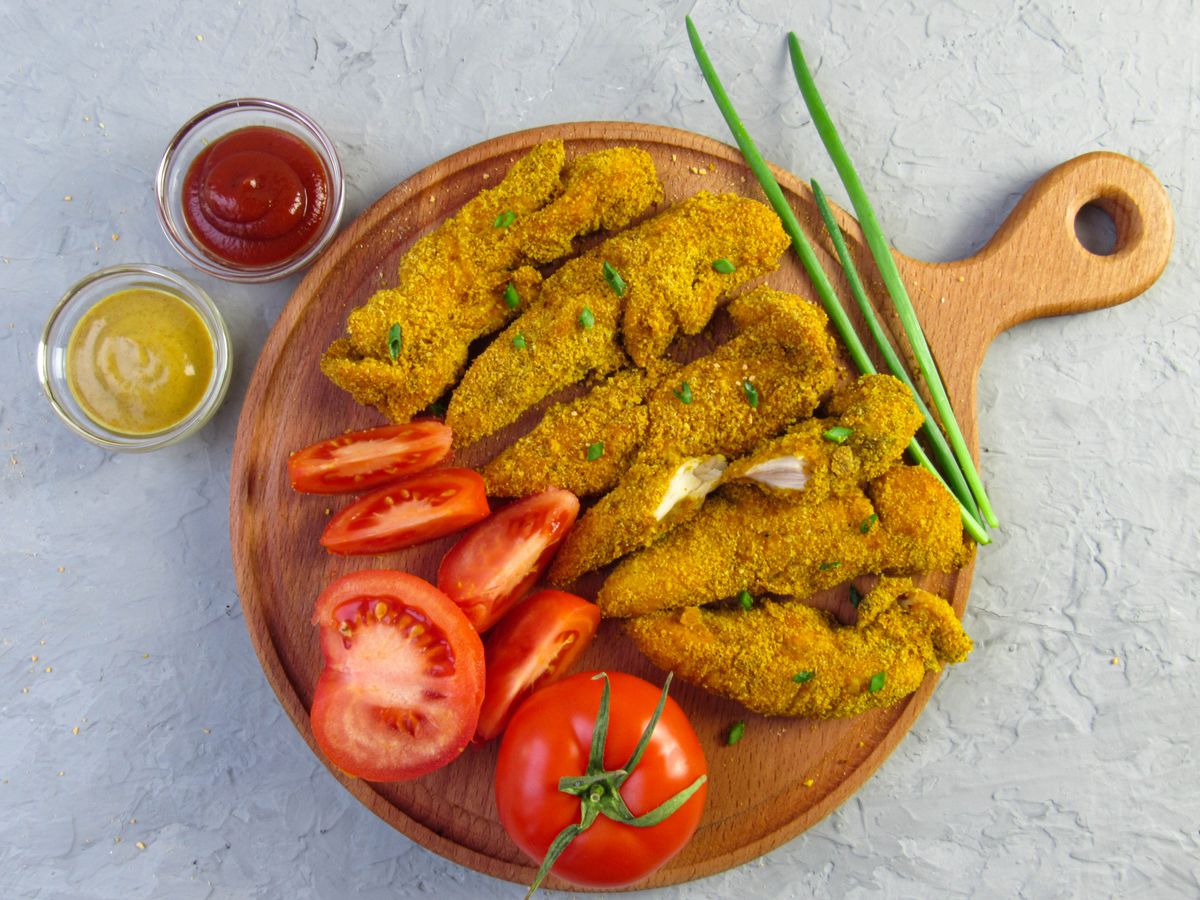
Chicken tenders have a reputation for being a takeout treat or a kid-menu default, but homemade versions are surprisingly manageable when the oven does the heavy lifting. The basic process is familiar: coat the chicken in flour, dip it in egg, press it into a seasoned breadcrumb mixture, and bake it at a high temperature. The payoff is a crisp exterior without splattering oil, frying smells, or the question of what to do with a pot full of used cooking oil afterward.
Betty Crocker’s oven-fried chicken tenders recipe uses a classic breading system: flour in one shallow dish, egg mixed with water in another, and breadcrumbs combined with grated Parmesan cheese in a third. Bake the coated chicken at 425 degrees Fahrenheit for 15 to 20 minutes, turning once after 10 minutes, until the coating is golden and the chicken is no longer pink in the center.
That three-dish setup may sound like a little extra cleanup, but it gives the crumbs something to cling to. Flour creates a dry base on the chicken, egg acts as the binder, and breadcrumbs form the crunchy outer shell. If you go straight from raw chicken to crumbs, the coating is more likely to slide off or bake unevenly, especially when you flip the tenders.
For the most reliable workflow, line up your dishes in order before opening the chicken package: flour first, egg second, and breadcrumbs last. Use one hand for dry ingredients and the other for egg to avoid turning both hands into a breaded-glove situation. Place each finished tender on a prepared pan as you go, leaving a little space between pieces so heat can move around them rather than trapping moisture.
Related: Angry Chickz Is Bringing Its Nashville Hot Chicken to Sacramento With Its 48th Restaurant.
The crisp comes from heat, space, and a little oil
The oven can deliver a crunchy coating, but it needs a few conditions to pull it off. First, preheat it properly. Betty Crocker calls for a 425-degree oven, which gives the breadcrumb coating a chance to brown during the relatively short cooking time. Starting with an oven that has not fully heated can leave the chicken cooking through before the exterior develops much color.
A light coating of cooking spray or oil is another useful move. Oil helps the breading brown and creates the fried-style finish people expect from chicken tenders, but it does not require enough oil to submerge the chicken. The difference is practical: you encourage crispness on the surface, not deep-fry the entire tender.
A wire rack over a rimmed baking sheet can make the oven method even more effective because it lets hot air circulate under the chicken. The Institute of Child Nutrition’s USDA recipe for Parmesan chicken tenders uses that exact setup, instructing cooks to put a baking rack on a baking sheet, coat it with nonstick spray, and bake the breaded tenders at 400 degrees Fahrenheit. If you don’t have a rack, a foil- or parchment-lined baking sheet still works; turning the tenders partway through gives both sides time to brown.
Breadcrumb choice also changes the texture. Regular dry breadcrumbs provide a familiar, even coating, while panko creates a more craggy, extra-crispy exterior. Parmesan adds a salty, savory note and can help deepen the color of the coating, as in Betty Crocker’s bread-crumb-and-cheese mixture. Season the crumbs directly with ingredients such as garlic powder, paprika, black pepper, or dried herbs so the flavor is part of the crust, not an afterthought.
The chicken doesn’t need an elaborate marinade to work here. Tenderloins are naturally smaller and cook quickly, which makes them especially useful for a fast dinner. If you cut boneless, skinless chicken breasts into strips instead, aim for pieces of similar thickness so they finish cooking at roughly the same time. Uneven strips can leave you choosing between an undercooked thick piece and an overbaked thin one.
A thermometer beats guesswork every time
The most important step is not whether the coating looks perfectly golden; it is whether the chicken has cooked safely. The U.S. Department of Agriculture says all poultry, including chicken, should reach a minimum internal temperature of 165 degrees Fahrenheit, measured with a food thermometer. That makes a thermometer more dependable than timing alone, because tender size, oven calibration, and pan type can all affect how quickly chicken cooks.
For tenders, insert the thermometer into the thickest part of the largest piece, taking care not to push the probe all the way through to the baking sheet. The Institute of Child Nutrition’s oven-baked Parmesan chicken tenders call for baking until the internal temperature reaches 165 degrees Fahrenheit or higher for at least 15 seconds. Once the thickest tender reaches that benchmark, remove the pan promptly to keep the chicken as tender as possible.
This method also gives you room to make the meal your own without complicating it. Serve the tenders with honey mustard, barbecue sauce, ranch or ketchup, then add a simple green salad, roasted vegetables, coleslaw or oven fries. For a more playful dinner, slice the tenders into strips for wraps, pile them into a salad, or tuck them into soft rolls with pickles and a tangy sauce.
If you are cooking for future meals, keep the coating and cooking method consistent, then vary the sauces later. One batch can become a classic chicken-tender plate on day one and a lunchbox-friendly wrap the next. The tenders also reheat well in an oven or air fryer, which helps restore some surface crispness that a microwave may soften.
The secret isn’t a deep fryer; it’s technique. Give the chicken an even breading, bake at a high enough temperature, avoid crowding the pan, and check the internal temperature with a thermometer. You get crunchy, comforting chicken tenders with far less cleanup, and no one at the table needs to know how little drama went into making them.