9 Fast-Food Mascots From the ’80s and ’90s Kids Still Remember
Remember when fast-food commercials were about more than burgers, fries, and pizza? In the 1980s and 1990s, restaurant chains created colorful characters that turned an ordinary meal into a childhood adventure.
Mischievous hamburger thieves, purple creatures, magical kings, and even a tiny Chihuahua with a catchphrase everyone seemed to know appeared in commercials, on food packaging, and alongside children’s meals. These mascots became familiar faces for an entire generation.
Some were created long before the ’80s, while others arrived during the ’90s. But they all helped shape the fast-food memories of people who grew up during those decades.
Here are nine unforgettable fast-food mascots that might take you straight back to your childhood.
Ronald McDonald: The Clown Who Made Fast Food Feel Like an Adventure
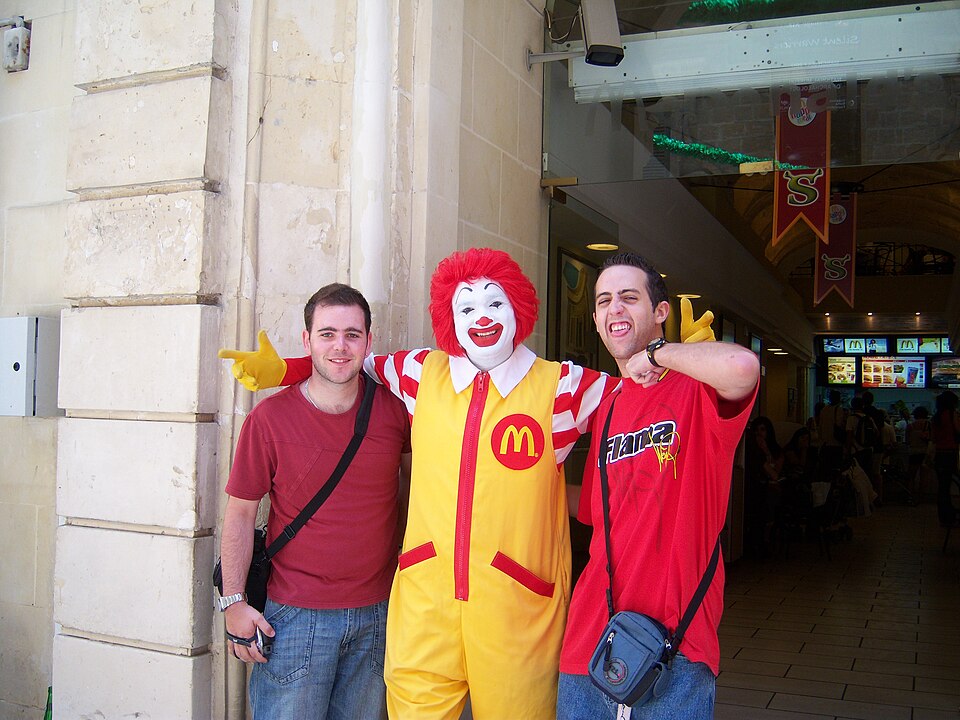
Before fast-food advertising was dominated by limited-time deals and celebrity partnerships, Ronald McDonald was one of the industry’s most recognizable faces.
Introduced in 1963, the red-haired clown became the central character of McDonald’s imaginative advertising world, McDonaldland, which launched in 1971.
With his yellow outfit, striped sleeves, oversized red shoes, and unmistakable smile, Ronald wasn’t simply selling hamburgers. He invited children into a colorful world of silly adventures and unusual characters.
For many kids growing up in the ’80s and ’90s, seeing Ronald on television was enough to know that something fun involving McDonald’s was about to happen.
He helped turn a restaurant brand into something that felt remarkably close to a Saturday morning cartoon.
Related Post: 8 Fast-Food Meals You Should Avoid At All Cost
Grimace: The Purple Mystery Everyone Loved
What exactly was Grimace supposed to be? That question probably crossed the minds of countless children who watched the giant purple character wander through McDonaldland.
Grimace first appeared in 1971, but his original personality was surprisingly different from the lovable character many people remember. Initially called Evil Grimace, he was a four-armed troublemaker who stole milkshakes and other drinks.
Eventually, the character was redesigned into the friendly, two-armed purple creature who became one of Ronald McDonald’s closest companions.
His rounded appearance, goofy expressions, and generally cheerful personality made him difficult to forget.
Unlike mascots that needed elaborate catchphrases or complicated stories, Grimace could capture attention simply by being himself.
And perhaps the biggest reason he remains memorable is that nobody needed to understand exactly what he was to enjoy watching him.
Hamburglar: The Sneaky Burger Thief
Every good cartoon world needs a troublemaker, and McDonaldland had one who couldn’t keep his hands off hamburgers.
The Hamburglar joined the advertising universe in 1971, dressed like a miniature criminal in black-and-white stripes and a black eye mask.
His mission was simple: steal burgers whenever he could. Of course, his plans rarely went smoothly, and that was part of the fun.
While Ronald represented friendliness and Grimace brought goofy charm, the Hamburglar added a little mischief.
It was an amusing idea for a fast-food advertisement. Instead of telling customers how delicious the hamburgers were, McDonald’s created a character who wanted them badly enough to steal them from children watching at home, which made him an entertaining villain rather than a frightening one.
Birdie the Early Bird: The Breakfast Mascot With Personality
McDonaldland wasn’t exclusively about hamburgers and milkshakes. In 1980, Birdie the Early Bird appeared in McDonaldland TV ads to promote the chain’s breakfast offerings.
With her flight cap, scarf, and cheerful birdlike appearance, she stood out from the more familiar characters.
Birdie brought a different personality to the group, giving McDonald’s breakfast menu a recognizable representative.
That mattered in an advertising universe where burgers and fries usually received most of the attention.
For children who remember watching McDonaldland commercials, Birdie was another colorful member of a cast that seemed to have a character for almost everything.
She also demonstrated how thoroughly restaurants embraced imaginative storytelling during that era, even turning breakfast promotion into a cartoon adventure.
The Magical Burger King: A Royal Mascot Who Performed Tricks
Long before Burger King’s later oversized-head mascot became familiar, the restaurant chain had a very different royal representative.
The Magical Burger King, introduced in 1976, appeared in commercials through the 1980s.
Unlike the more mysterious modern version, this king was a theatrical character with a red beard and a talent for performing magic tricks.
He also had a wonderfully imaginative supporting cast, including Sir Shakealot, the Burger Thing, the Duke of Doubt, and the Wizard of Fries.
The character even appeared in restaurant magic shows, extending the experience beyond television advertising.
For kids, a king performing tricks while promoting hamburgers fit perfectly with the decade’s playful atmosphere.
Looking back, the Magical Burger King represents a time when fast-food restaurants weren’t afraid to make their advertising wonderfully theatrical.
Kid Vid: The Face of Burger King’s Kids Club
If you were a child in the 1990s, you might remember that getting a kids’ meal felt like joining an exclusive club.
Burger King introduced its Kids Club characters in 1990, led by Kid Vid. Described as a tech-loving wizard, Kid Vid led a team that included I/Q, Jaws, Snaps, Boomer, and Wheels.
The characters appeared in commercials, on meal packaging, and in materials sent to club members. The real Kids Club offered membership cards, games, birthday meals, and a magazine.
Suddenly, the restaurant experience wasn’t limited to what came inside the food bag. Children could participate in a larger promotional world built around these cartoon personalities.
Kid Vid captured the excitement of a decade when technology, colorful animation, and club memberships were popular ways to connect with younger audiences.
For many former members, the Kids Club characters remain a particularly nostalgic part of Burger King’s history.
The Noid: Domino’s Pizza’s Most Annoying Enemy
Imagine creating a restaurant mascot whose entire purpose was to ruin the food. That’s exactly the unusual idea behind the Noid.
Introduced by Domino’s in 1986, the red-suited, bunny-eared character became famous for attempting to interfere with pizza deliveries. Created through clay animation by Will Vinton Studios, the Noid was deliberately troublesome.
Rather than encouraging customers to admire him, Domino’s built its advertising around the memorable instruction, “Avoid the Noid.” The character represented everything that could go wrong between ordering a pizza and receiving it.
His bizarre appearance and relentless mischief made him one of the decade’s most distinctive fast-food advertising figures.
Domino’s later brought him back for promotions in 2011 and 2021, demonstrating that the character still had nostalgic appeal long after his original introduction.
The Taco Bell Chihuahua: A Tiny Dog With a Huge Catchphrase
Few fast-food mascots captured late-1990s attention quite like the Taco Bell Chihuahua. The campaign began in 1997 and featured a tiny dog delivering the now-famous phrase, “Yo quiero Taco Bell.”
The principal canine performer was Gidget, a female Chihuahua portraying a male advertising character voiced by Carlos Alazraqui. The commercials turned a small dog into a recognizable national advertising personality.
The campaign’s simplicity made it so memorable. There were no elaborate fantasy worlds or large supporting casts required. Just a Chihuahua, a distinctive voice, and a short line that audiences could repeat.
The campaign continued until 2000, but its association with late-’90s television advertising has endured. For anyone who grew up during that period, hearing the phrase can immediately bring back memories of commercial breaks.
Dennis the Menace: Dairy Queen’s Familiar Troublemaker
Not every fast-food mascot was invented by a restaurant. Dairy Queen took a different approach by using Dennis the Menace, the mischievous comic-strip character created by Hank Ketcham. The partnership began in the early 1970s and continued throughout the 1980s and 1990s.
Dennis appeared in Dairy Queen advertisements, packaging, and promotional materials, sometimes alongside familiar characters like Joey and Margaret.
His playful personality made him a natural fit for a brand trying to appeal to families. Unlike the Noid or Hamburglar, Dennis already had an identity outside fast food. That familiarity helped make his appearances on Dairy Queen packaging especially recognizable.
The chain eventually moved away from Dennis imagery during its early-2000s branding changes, but longtime customers may still remember spotting him on cups and other restaurant materials.
Why These Fast-Food Mascots Are So Hard to Forget
The most memorable thing about these characters wasn’t necessarily the food they advertised. It was how much personality restaurants squeezed into ordinary commercial breaks.
Ronald McDonald had an entire fantasy world. The Hamburglar had a never-ending appetite for stolen burgers. The Noid turned pizza delivery into a battle against a cartoon villain. And the Taco Bell Chihuahua proved that even the smallest character could become a major advertising sensation.
Today, these mascots offer a nostalgic reminder of an era when fast-food marketing often felt like entertainment made especially for children.
The meals may be long forgotten, but for many ’80s and ’90s kids, the characters are still impossible to erase from memory.