Red No. 3 Must Be Gone From American Food by January 2027: Here’s What That Means for Your Pantry
That bright cherry-red color in your favorite candy, frosting, or cookies may soon look a little different. A synthetic food dye known as FD&C Red No. 3 is on its way out of the American food supply, and the deadline for food companies to remove it is now just a couple of months away.
The U.S. Food and Drug Administration revoked the authorization for Red No. 3 in food in January 2025, giving manufacturers about two years to reformulate their products. That deadline arrives on January 15, 2027. Meanwhile, the federal agency that oversees alcoholic beverages has reminded drink makers that the same deadline applies to them.
For shoppers, the change may mean subtle differences in the color of some favorite treats. Here is what Red No. 3 is, why it is being removed, which foods have used it, and what the change means for your pantry.
What Is Red No. 3?
FD&C Red No. 3, also known as erythrosine outside the United States, is a synthetic dye that gives foods a bright, cherry-red color. It has been used for decades in a variety of products, especially sweets and desserts.
According to the FDA, Red No. 3 has primarily been used in certain food products, such as candy, cakes and cupcakes, cookies, frozen desserts, and frostings and icings. It has also been used in some ingested drugs. The FDA has said it is less widely used than some other certified color additives.
Why Is It Being Banned?
The FDA revoked the authorization for Red No. 3 based on a law known as the Delaney Clause. This provision, part of the Color Additives Amendment enacted in 1960, prohibits the FDA from authorizing a food or color additive that has been found to cause cancer in humans or animals.
The decision came in response to a 2022 petition. The petition cited studies showing cancer in laboratory male rats exposed to high levels of Red No. 3. The FDA has said this effect is due to a hormonal mechanism specific to rats that does not occur in humans, and that studies in other animals and in humans did not show these effects. However, under the Delaney Clause, the agency was required by law to act.
The Key Deadlines
According to the FDA, manufacturers who use Red No. 3 in food have until January 15, 2027, to reformulate their products. Manufacturers who use it in ingested drugs have until January 18, 2028.
Foods imported into the United States must also comply with these requirements. That means imported candies and treats will need to meet the same rules as products made in America.
Alcoholic Drinks Are Included
The ban also applies to alcoholic beverages. On November 6, 2026, the Alcohol and Tobacco Tax and Trade Bureau told alcohol producers and importers that Red No. 3 will no longer be allowed in foods, which the agency said includes alcohol beverages, according to Vinetur.
Drink makers have until January 15, 2027, to reformulate affected products and obtain an approved formula. This could affect some flavored malt beverages and specialty spirits that use the dye for color.
What Foods Might Change?
Shoppers may notice changes in products that use bright red or pink colors. Candy, frosted cookies, cupcakes, frozen desserts, and decorative icings are among the categories most likely to be affected. Some products may switch to natural colorings, such as beet juice or other plant-based ingredients.
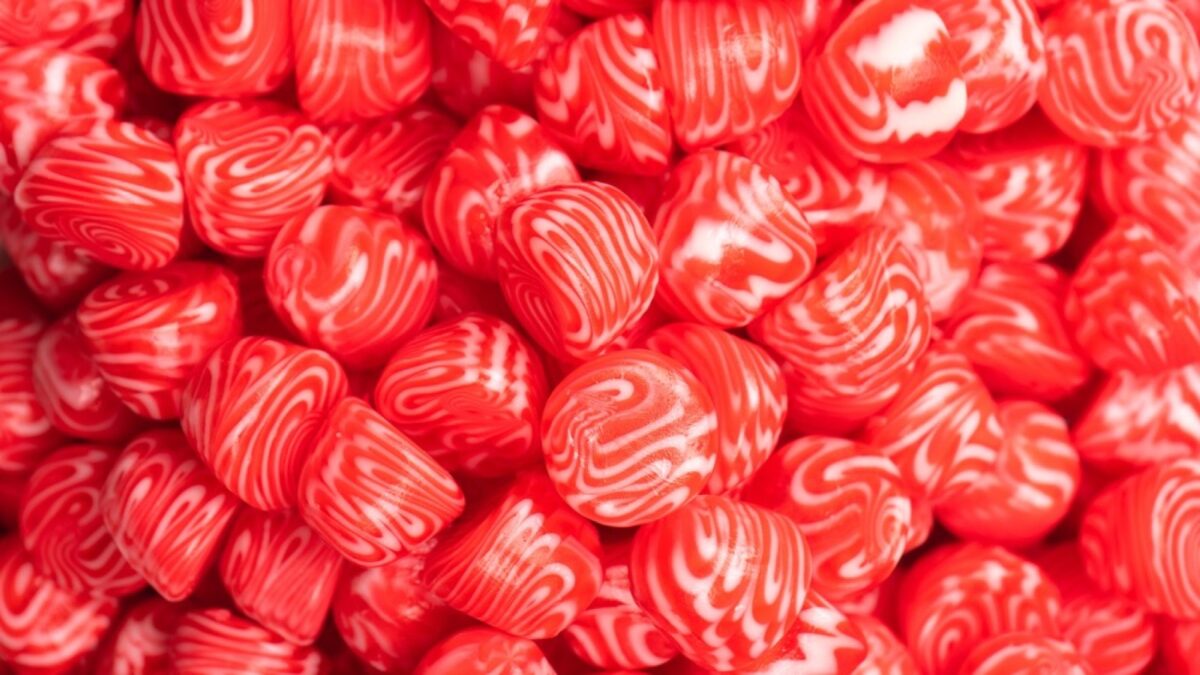
Many companies have already made changes ahead of the deadline. Shoppers who want to avoid Red No. 3 can check ingredient labels for “FD&C Red No. 3,” “Red 3,” or “erythrosine.”
A Broader Move Away From Synthetic Dyes
The Red No. 3 ban is part of a larger effort to reduce synthetic dyes in American food. In April 2025, federal health officials announced a plan to phase out several petroleum-based food dyes, working with the food industry. According to Consumer Reports, the target for eliminating six dyes, including Red No. 40, Yellow No. 5, and Blue No. 1, was later updated to 2027.
Many major food companies have pledged to remove synthetic dyes from their products. Some, like Tyson Foods, have already completed the switch, while others are still working on it. Unlike the Red No. 3 ban, however, the broader phase-out relies largely on voluntary action by the industry.
How to Read Labels for Food Dyes
Shoppers who want to avoid synthetic dyes can learn to spot them on ingredient lists. Certified color additives are usually listed by name, such as “Red 40,” “Yellow 5,” “Blue 1,” or “Red 3.” Some labels use the full name, such as “FD&C Red No. 40.”
Natural colorings are often listed differently. Ingredients like beet juice, turmeric, paprika, annatto, and spirulina extract are commonly used to color foods without synthetic dyes. Many companies now highlight “no artificial colors” on their packaging.
Parents may want to pay special attention to candy, cereals, snacks, and drinks marketed to children, which often contain bright colors. As more companies reformulate, shoppers may find that some favorite products look a little less vibrant than they used to.
Some major brands are already moving ahead. Kellogg’s has announced plans to remove artificial dyes from its cereals, and other companies have made similar pledges. It is also worth remembering that a dye-free label does not automatically make a product healthy, as many foods that seem healthy are still high in sugar or salt.
What It Means for Your Pantry
For most shoppers, the change will be gradual and may not be very noticeable. Some favorite treats may look slightly different, while others may taste exactly the same. Products made with Red No. 3 may still be on store shelves until the deadline.
Food labels are changing, and shoppers who pay attention will notice the differences first. Expect more brands to announce dye-free recipes as the January deadline approaches.