Why So Many Boomers Feel Unappreciated by Their Grown Kids
Many baby boomers spent decades devoting themselves to their children. They worked long hours, saved for college, gave up personal dreams, and showed up for every school play and ball game. They believed that if they worked hard and loved deeply, their children would grow up grateful and close.
Now, in their sixties and seventies, many boomers feel a quiet sense of disappointment. Their grown children call less often, visit rarely, or seem distant and busy. Some boomers feel that their sacrifices have been forgotten, or worse, criticized.
This feeling is surprisingly common, and it reflects big changes in family life, communication, and generational values. Here is a look at why so many boomers feel unappreciated by their grown kids, and what both generations can do to bridge the gap.
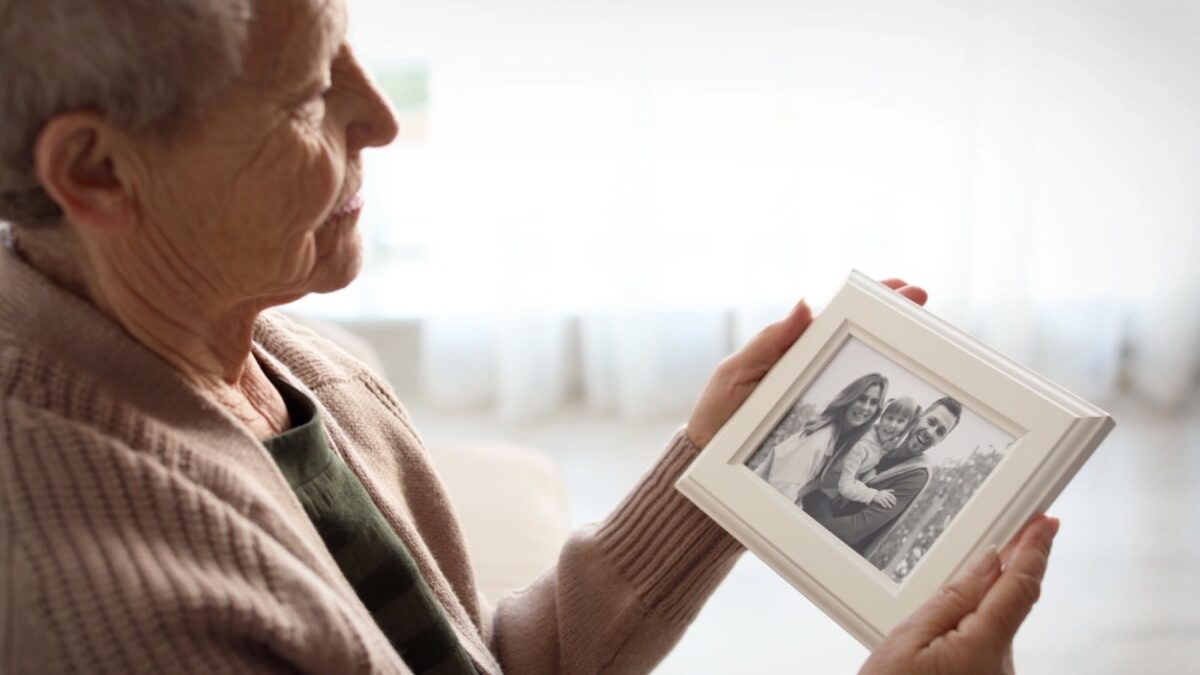
They Sacrificed So Much
Many boomers made significant sacrifices for their children. They worked jobs they did not love to provide stability, moved to better school districts, and put their children’s needs ahead of their own. Some helped pay for college, weddings, or first homes.
When grown children do not seem to acknowledge these sacrifices, boomers can feel hurt. They may wonder if their children understand how much they gave up. The lack of recognition can feel like a lack of love.
Communication Has Changed
Boomers grew up in a time when families talked on the phone or visited in person. Today, many grown children communicate mainly through text messages, social media, or quick video calls. For boomers, these forms of communication can feel impersonal.
A text message saying “Happy Birthday” may feel thin compared to a phone call or a visit. Many boomers miss long conversations with their children. The shift in communication styles can create misunderstandings on both sides.
Their Kids Are Busy
Many grown children of boomers are in the middle of demanding lives. They are building careers, raising their own children, and managing busy households. Finding time to call or visit parents can be difficult.
Boomers may interpret this busyness as a lack of interest. In reality, many grown children care deeply but feel stretched thin. Understanding these pressures can help boomers feel less hurt.
Parenting Styles Are Criticized
Many grown children today openly question how they were raised. Some talk about childhood wounds, therapy, and the mistakes their parents made. Boomers who did their best with the knowledge they had can feel deeply criticized.
Some boomers feel that their parenting is being judged by today’s standards rather than the standards of their time. This criticism can feel unfair, especially when they believe they gave their children a good life.
Families Live Farther Apart
In past generations, families often lived close together, sometimes in the same town for generations. Today, grown children often move away for jobs, school, or opportunities. Many boomers live hundreds or thousands of miles from their children and grandchildren.
Distance makes regular visits difficult and expensive. Boomers may miss everyday moments, such as holidays, birthdays, and school events. This physical distance can create emotional distance as well.
Expectations Differ
Boomers often grew up expecting that grown children would stay close to their parents, visit regularly, and eventually care for them in old age. Many younger adults have different expectations, prioritizing independence and their own nuclear families.
These differences can lead to disappointment. Boomers may feel neglected, while their children may feel pressured. Talking openly about expectations can help both sides understand each other.
Some Families Are Estranged
In some cases, grown children have distanced themselves from their parents entirely. Family estrangement has received growing attention in recent years. Some estrangements result from serious conflicts, while others develop gradually over time.
For boomers, estrangement can be deeply painful and confusing. Many do not fully understand why their children pulled away. Counseling and honest conversations can sometimes help repair these relationships.
What Boomers Can Do
Boomers who feel unappreciated can take steps to strengthen their relationships with their grown children. Reaching out without guilt or pressure, showing interest in their children’s lives, and adapting to new forms of communication can help. Some boomers learn to text, video chat, or use social media to stay connected.
It can also help to let go of certain expectations. Respecting grown children’s boundaries and choices often brings families closer. Listening without judgment is one of the most powerful things parents can do.
What Grown Children Can Do
Grown children can also help bridge the gap. A simple phone call, a handwritten note, or a thank-you for their parents’ sacrifices can mean a great deal. Taking time to visit or include parents in family events can strengthen bonds.
Many boomers are simply hoping to feel valued and remembered. Small gestures can go a long way.
When Families Drift Apart
In some cases, the distance between boomers and their grown children becomes a full estrangement. Research from Cornell University sociologist Karl Pillemer has found that family rifts are surprisingly common, affecting millions of Americans. The Cornell team’s work, shared on its Evidence Based Living site, also offers hope, showing that many families are able to reconcile.
Pillemer’s research suggests that reconciliation often begins with letting go of the need to agree on the past. Instead of arguing about who was right, family members can focus on building a better relationship going forward. Small steps, such as a friendly message or a short visit, can open the door.
For boomers, this may mean accepting that their children remember childhood differently. For grown children, it may mean recognizing that their parents did the best they could with the knowledge and resources they had. Both sides can benefit from patience and compassion. It can help to let go of certain expectations about how often grown children call or visit. Many boomers say that accepting a few hard truths about family life brought them more peace than they expected.
Building Bridges
The feeling of being unappreciated is real for many boomers, but it is not the end of the story. With understanding, patience, and open communication, families can grow closer. Both generations have much to offer each other.
If you are a grown child, consider calling your parents this week. If you are a parent, consider reaching out first. Either way, a small step can make a big difference.