Why Some Americans Refuse to Put Ketchup on a Hot Dog
Few things spark a heated argument at a cookout quite like a bottle of ketchup sitting next to a pile of hot dogs. For some people, ketchup is the most natural topping in the world, the first thing they reach for. For others, putting ketchup on a hot dog is a serious offense, something no self-respecting adult should ever do.
This is not a small debate. It has been discussed by food writers, mentioned in movies, and even addressed by an official industry group. In some American cities, asking for ketchup at a hot dog stand can earn you a disapproving look, or a flat-out refusal.
So why do so many Americans feel so strongly about ketchup on hot dogs? The answer involves regional pride, culinary tradition, and a surprising amount of etiquette. Here is a closer look at one of the most famous food feuds in the country.
The Official Word on Ketchup
Believe it or not, there is an official stance on the matter. The National Hot Dog and Sausage Council has published hot dog etiquette guidelines, and they famously advise that ketchup should not be used on hot dogs by anyone over the age of 18. Mustard, relish, onions, sauerkraut, and chili are all considered acceptable.
The council’s guidance is meant to be lighthearted, but it reflects a real attitude among hot dog purists. For them, ketchup is a children’s condiment. Grown-ups, they argue, should move on to more sophisticated toppings like spicy mustard or sauerkraut.
Chicago Takes It Seriously
Nowhere is the anti-ketchup attitude stronger than in Chicago. The classic Chicago-style hot dog is an all-beef frank on a poppy seed bun, topped with yellow mustard, bright green relish, chopped onions, tomato slices, a pickle spear, sport peppers, and a dash of celery salt. Ketchup is not on the list.
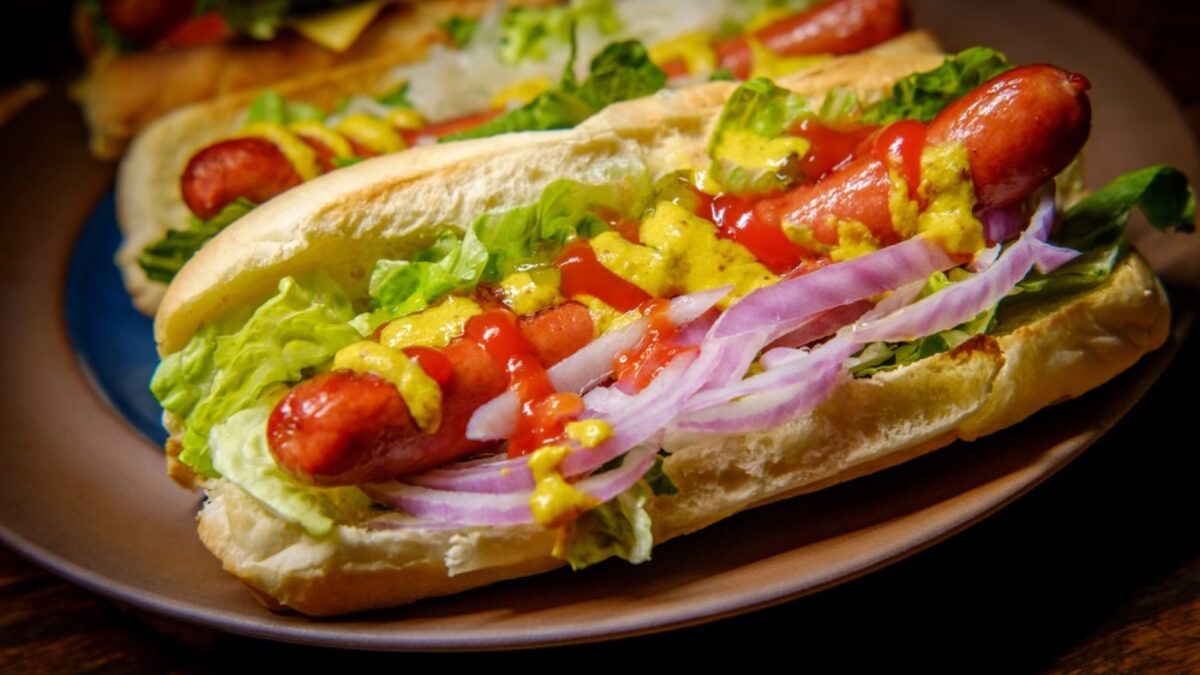
Some Chicago hot dog stands have refused to put ketchup on hot dogs at all, and a few have made a point of advertising it. Chicagoans often joke that adding ketchup ruins a perfectly balanced hot dog. To them, it is a matter of local pride.
Hollywood Weighed In
The ketchup debate even made its way into the movies. In the 1983 film “Sudden Impact,” Clint Eastwood’s tough detective Harry Callahan delivers a memorable line about how nobody should put ketchup on a hot dog. The scene became a favorite among hot dog purists.
Pop culture references like this have helped keep the debate alive for decades. Many people who never thought twice about ketchup started questioning it after hearing it mocked on screen. It became part of the larger conversation about what is and is not acceptable.
Why Purists Object
Hot dog purists have several reasons for their objection. Some say ketchup is too sweet and overpowers the savory, smoky flavor of the hot dog. Others believe that ketchup masks the taste of a high-quality frank, which should be the star of the show.
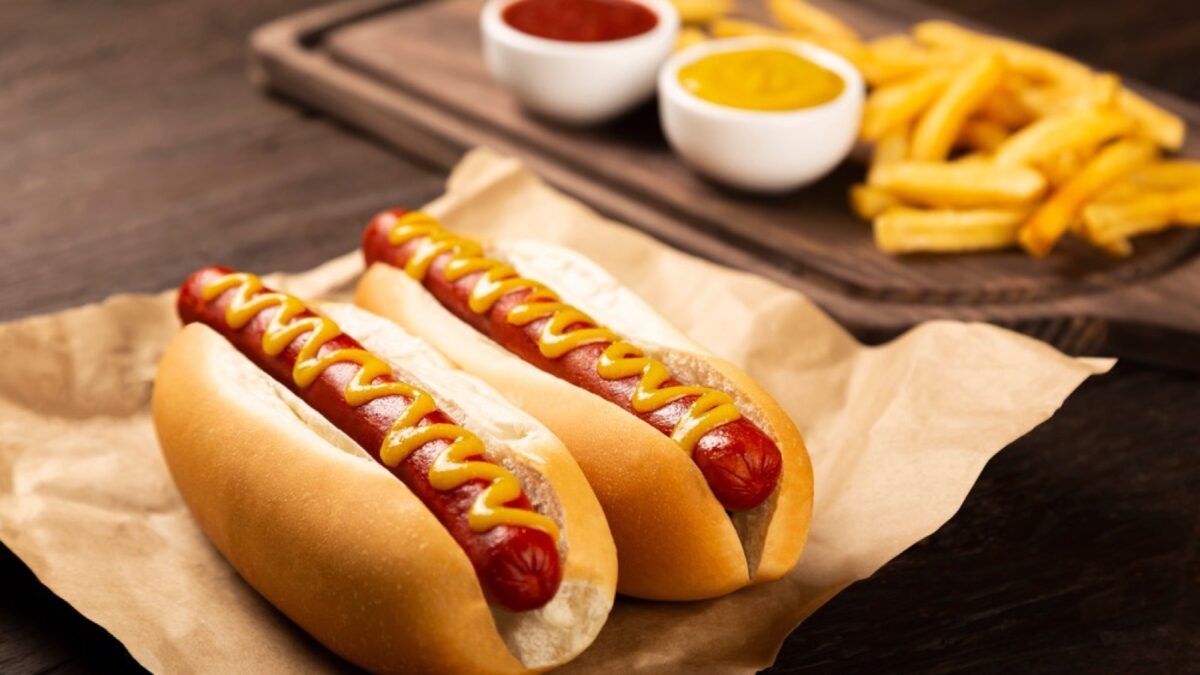
Many also see ketchup as a shortcut, something used by people who do not know about better toppings. Mustard, in particular, is considered the classic hot dog topping. Its sharp, tangy flavor cuts through the richness of the meat in a way that ketchup does not.
Why Ketchup Fans Do Not Care
On the other side of the debate are millions of Americans who happily put ketchup on their hot dogs. Many grew up eating hot dogs this way and simply enjoy the taste. For them, the sweet and tangy flavor of ketchup pairs perfectly with a grilled frank.
Ketchup fans often argue that food should be about personal preference, not rules. They point out that hot dogs are a casual, fun food, not fine dining. If ketchup makes a hot dog taste better to them, they see no reason to stop.
Regional Differences Across America
Hot dog toppings vary widely across the country, which adds to the debate. In New York, hot dogs from street carts are often topped with mustard and sauerkraut or a sweet onion sauce. In parts of the South, slaw and chili are popular.
Detroit is famous for its Coney dogs, topped with chili, mustard, and onions. In the Southwest, Sonoran hot dogs are wrapped in bacon and topped with beans, tomatoes, and other toppings. In many of these regional styles, ketchup is simply not part of the tradition.
Kids Versus Adults
For many families, ketchup on hot dogs is a childhood tradition. Kids often love ketchup on everything, from fries to scrambled eggs. Parents often hand their children ketchup-covered hot dogs at birthday parties and backyard barbecues.
As people grow older, some move on to mustard and other toppings, while others stick with ketchup for life. That is why the “over 18” rule from the hot dog council resonates with so many people. It captures the idea that ketchup is a childhood habit that some adults never outgrow.
How to Build a Better Hot Dog
If you want to move beyond ketchup, there are plenty of tasty options to try. Spicy brown mustard, sauerkraut, and sweet onion relish are classic choices that pair well with a smoky frank. Chili and shredded cheese turn a simple hot dog into a hearty meal, while coleslaw adds a cool crunch.
You can also experiment with regional styles at home. Try a Chicago-style dog with all seven traditional toppings, or a Southern slaw dog with mustard and chili. Many families make a game of it at cookouts, setting out a toppings bar and letting everyone build their own creation.
Of course, there is no wrong way to enjoy a hot dog in your own backyard. Food debates like this one are a fun part of American culture, much like the boomer opinions that spark endless arguments online. If you are eating out, though, it helps to know a few dining etiquette basics, and in some cities, that includes thinking twice before reaching for the ketchup.
The Bottom Line
Whether you put ketchup on your hot dog is ultimately a personal choice. Purists will continue to argue that mustard is the only proper topping, and ketchup lovers will continue to squeeze the red bottle without apology. Both sides have their reasons.
Wherever you stand on this debate, make it a delicious one. Fire up the grill, set out the toppings, and let everyone decide for themselves.