If Someone Always Checks the Menu Before Going to a Restaurant, These 8 Reasons May Explain Why
Some people walk into a restaurant, open the menu, and figure things out as they go. Others have already checked the prices, studied the appetizers, and narrowed their choices down to two dishes before leaving home.
If you’re in the second group, you’re certainly not alone.
A Popmenu survey of 1,000 U.S. adults, conducted in April 2024, found that 80% reported researching restaurant menus online. That’s a lot of people doing their homework before dinner.
But does checking the menu beforehand reveal something about someone’s personality?
Not necessarily. There isn’t enough scientific evidence to identify a particular personality type based on this habit. Still, research on consumer behavior and decision-making offers eight interesting explanations for why some people prefer knowing what’s on the menu before they arrive.
They Like Having a Plan Before Heading Out
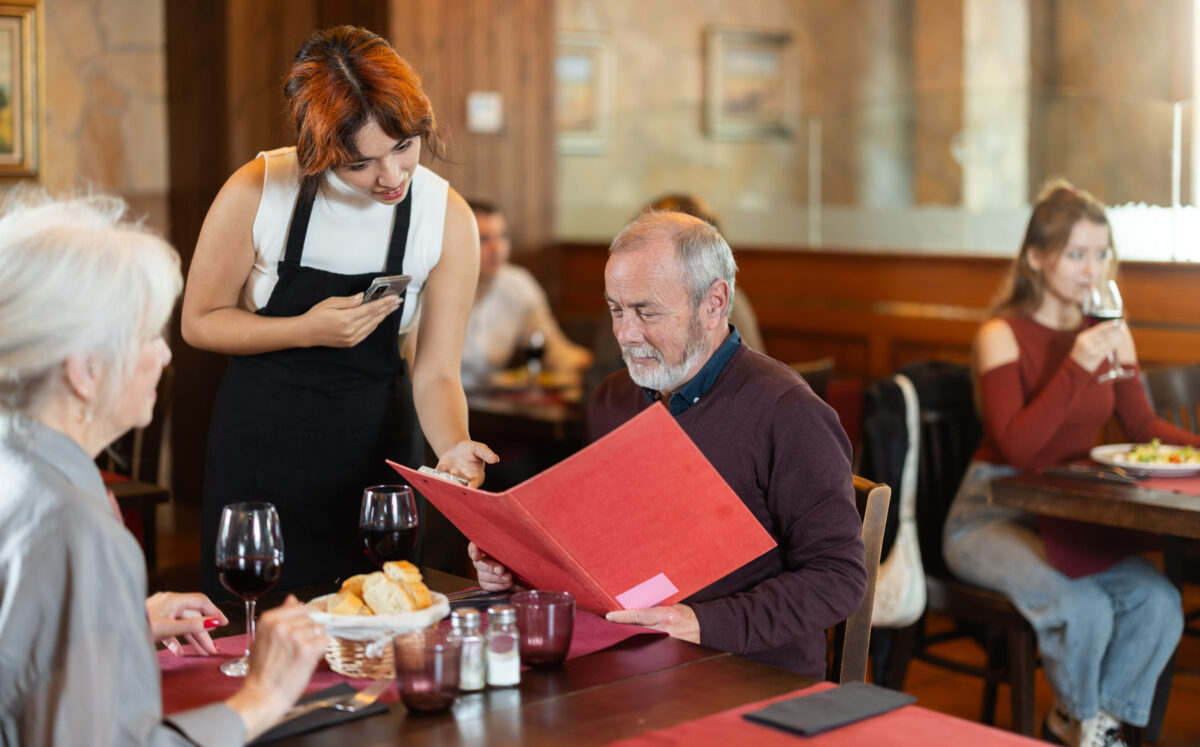
For some people, checking the menu is simply part of getting ready.
They might check whether their favorite dish is still available, see if the restaurant serves lunch during their planned visit, or find out whether the weekend menu differs from the weekday selection.
It’s the same practical thinking that goes into checking a restaurant’s location or reservation requirements.
Interestingly, a 2020 study examining restaurant choices found that people’s priorities changed depending on the occasion.
Someone might carefully review the menu before an anniversary dinner but happily walk into their neighborhood diner without looking anything up.
The habit may reflect preparation for a particular outing rather than an organized personality.
They Prefer Knowing What to Expect
Imagine arriving at a restaurant expecting burgers and fries, only to discover that the menu features unfamiliar dishes and small plates.
For some diners, that’s an exciting surprise. Others would rather know beforehand.
Checking the menu helps answer simple questions about the restaurant’s offerings, portion descriptions, and available options.
There’s some psychology behind this preference.
A 2022 study published in Marketing Letters found that uncertainty influenced how consumers searched for information. Interestingly, moderate uncertainty sometimes encouraged more searching than either low or high uncertainty.
The experiments weren’t about restaurant menus, so they don’t prove that advance menu checkers dislike surprises.
Still, looking up unfamiliar details before making a decision is a reasonable explanation for the behavior.
They Want to Know What Dinner Will Cost
Nobody enjoys discovering that the restaurant they suggested is considerably more expensive than expected.
Checking prices beforehand allows diners to estimate their spending, compare options, and decide whether a restaurant fits the occasion.
And price clearly matters to many customers.
According to Popmenu’s 2026 consumer trends report, 25% of surveyed consumers searched for restaurants by price range. Another 62% said affordable menu options and special deals made them more likely to choose a restaurant.
Of course, checking prices doesn’t automatically mean someone is struggling financially or particularly frugal.
Someone planning an expensive birthday dinner might examine prices just as carefully as someone looking for an affordable weekday lunch.
Sometimes, people simply want to know what they’re agreeing to spend.
They Like Comparing Their Options
You know that restaurant menu with six burger combinations, twelve pasta dishes, and enough appetizers to make choosing dinner feel like an assignment?
Some people enjoy examining every possibility before making a decision.
Others prefer narrowing things down while sitting comfortably at home.
Research suggests that having many options can make certain decisions difficult, although the effect isn’t universal.
A 2015 review of choice-overload research, covering 99 observations and 7,202 participants, found that factors such as choice complexity and uncertainty about personal preferences influenced how difficult decisions became.
However, an earlier review of 50 experiments found almost no average choice-overload effect.
In other words, a long menu doesn’t overwhelm everyone.
Someone who studies the options beforehand may simply enjoy having room to compare dishes without distractions.
They Need to Check What They Can Eat
Sometimes, advance menu checking has nothing to do with personality.
For people managing food allergies or specific dietary restrictions, examining restaurant options can be an important part of planning a meal.
Someone might look for vegetarian dishes, check whether certain ingredients appear in descriptions, or determine whether the restaurant offers suitable alternatives.
Food Allergy Research & Education recommends reviewing restaurant menus before visiting and contacting restaurant staff to discuss allergy-related requirements.
Importantly, reading an online menu alone cannot guarantee that a dish is safe for someone with allergies. Ingredients, preparation methods, and possible cross-contact still need to be discussed with the restaurant.
And not every menu checker has a medical or dietary restriction.
Sometimes, the explanation is considerably simpler: they just want to make sure there’s something they’ll actually enjoy ordering.
They’re Thinking About Everyone Else at the Table
Choosing a restaurant becomes more complicated when several people are involved.
One friend wants seafood. Another prefers vegetarian options. Someone else has a spending limit, while another person just wants a decent burger.
Suddenly, picking a restaurant feels like organizing a small family reunion.
Checking the menu beforehand can help someone determine whether the restaurant works for the entire group.
A study of 539 Malaysian restaurant customers found that restaurant-selection priorities varied depending on whether people were dining socially, attending business meals, or celebrating special occasions.
That doesn’t prove menu checkers are naturally more considerate than other diners.
However, reviewing options for different guests is a practical way to make group dining arrangements easier.
They’d Rather Decide Before Sitting Down
Picture this: you’re catching up with an old friend, the conversation is getting interesting, and suddenly the server arrives to take your order.
You haven’t even opened the menu.
For some people, that’s exactly the situation they’d rather avoid.
Looking beforehand allows them to arrive with a possible order already in mind.
Research also suggests that time pressure can influence how people evaluate food choices.
A 2021 study published in Food Quality and Preference found that participants processed less information when making food decisions under time pressure, although their choices remained consistent with their previously measured preferences.
The study didn’t test advance restaurant-menu browsing or establish that it saves time.
Still, it helps explain why someone might prefer comparing options before the server is standing beside the table.
They Simply Enjoy Looking Forward to the Meal
Not every habit needs a complicated explanation.
Sometimes, looking through a restaurant menu is part of the fun.
Maybe someone has been thinking about Friday’s dinner all week. Perhaps they’re imagining a particular dessert or sending screenshots of appetizers to their friends.
The anticipation can become part of the experience.
A 2014 study published in Psychological Science found that anticipating experiences was generally more enjoyable than anticipating material purchases.
The researchers didn’t specifically examine restaurant-menu browsing, so the findings shouldn’t be treated as proof that checking menus increases happiness.
Nevertheless, it’s easy to understand why someone might enjoy exploring the possibilities before a special meal.
After all, choosing what sounds delicious can be enjoyable even before the first bite arrives.
Ultimately, checking a restaurant menu beforehand doesn’t reveal a secret personality type. Whether someone is comparing prices, accommodating friends, exploring unfamiliar dishes, or simply getting excited about dinner, the habit often has a perfectly practical explanation.