The ‘Yellowstone Effect’ Has Changed Montana’s Bozeman: How Growth and Local Survival Are Reshaping Life for Residents.
Bozeman, Montana, was once the kind of place where people knew their neighbors, housing prices felt manageable, and the rhythm of life was shaped by ranching, college culture, and outdoor adventure. Today, the city has become one of America’s most talked-about examples of what happens when a small community suddenly becomes a global destination.
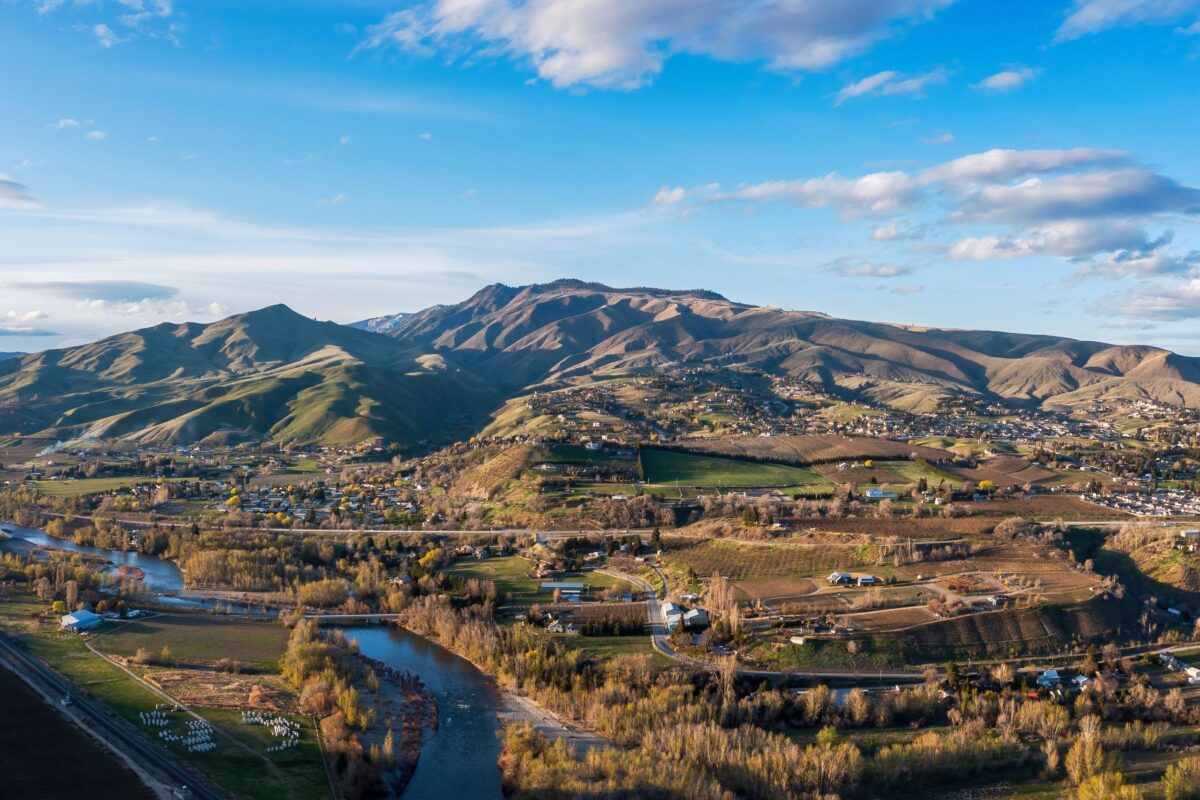
The breathtaking mountains are still there. The rivers still run through the valleys. The same outdoor lifestyle that attracted generations of residents remains part of Bozeman’s identity.
But behind the postcard views is a much more complicated story. A wave of new residents, rising real estate demand, luxury development, and changing economic pressures have transformed the city. Many locals say Bozeman is becoming almost unrecognizable, not because people are moving there, but because the speed of change has made it harder for longtime residents to keep their place in the community.
At the center of this transformation is what many residents call the “Yellowstone Effect.” The phrase describes how the popularity of the hit television series Yellowstone helped fuel interest in Montana’s landscapes, ranch culture, and Western lifestyle. The show did not single-handedly create Bozeman’s housing crisis, but many locals believe it helped turn an already attractive destination into a place people around the country suddenly wanted to experience and own.
Now, Bozeman faces a difficult question shared by many fast-growing communities: Can a town welcome new opportunities without losing the people who built it?
From Quiet Mountain Town to One of America’s Fastest-Changing Cities

For much of its history, Bozeman was known as a small but vibrant Montana city. Home to Montana State University, the city attracted students, researchers, outdoor enthusiasts, farmers, ranchers, and people searching for a slower pace of life.
Residents often describe the older version of Bozeman as a place where different groups blended together, college students sharing space with longtime Montana families, ski workers, artists, and ranchers.
That identity began shifting rapidly after the COVID-19 pandemic. As remote work allowed more Americans to leave expensive coastal cities, places with natural beauty and open space became magnets for relocation. Montana, with its mountains, national parks, and reputation for independence, became one of those destinations.
Bozeman experienced major population growth after 2019, increasing by roughly 20% in just a few years. For newcomers, the city represented freedom, fresh air, and a chance to build a different lifestyle.
For many longtime residents, it represented something else: a community changing faster than it could handle.
Rising Housing Costs Are Forcing Locals to Make Difficult Choices

The biggest impact of Bozeman’s transformation has been the housing crisis. When wealthy buyers from larger cities began arriving, many had financial advantages that local residents could not match. Some purchased homes with cash offers, sometimes without even seeing the property in person.
That changed the local housing market almost overnight. Home values surged, creating wealth for existing homeowners who decided to sell. But for renters, younger workers, and families trying to buy their first home, the situation became increasingly difficult.
A person earning a typical local wage suddenly found themselves competing against buyers who brought in money from expensive markets such as California, Washington, and New York.
The result was a growing gap between income and housing costs. Many workers who keep Bozeman running, restaurant employees, teachers, healthcare workers, construction workers, and service employees, began struggling to stay close to their jobs.
Some moved farther away and accepted longer commutes through mountain roads. Others moved in with roommates or worked multiple jobs just to afford basic living expenses.
The city became wealthier on paper, but many residents felt poorer in everyday life.
Luxury Montana Has Arrived, But Not Everyone Feels Included
One of the most visible signs of Bozeman’s transformation can be found downtown. Small local businesses have increasingly competed with higher-end restaurants, luxury retailers, and stores selling expensive Western clothing aimed at visitors and wealthy newcomers.
The image of Montana has changed. For many outsiders, the state represents an escape, a place where someone can trade crowded city life for mountain views and wide-open spaces.
That dream has created a booming luxury market. The nearby Yellowstone Club in Big Sky, a private resort community known for attracting wealthy homeowners and celebrities, has helped strengthen Montana’s reputation as a luxury destination.
Private aircraft traffic has increased as affluent visitors and property owners travel to the region.
The economic benefits are significant. New businesses open. Construction increases. Tourism grows. But some locals worry that the version of Montana being marketed to outsiders is becoming disconnected from the reality of everyday life for working residents.
A luxury vacation destination and a place where families can afford to live are not always the same thing.
How the ‘Yellowstone Effect’ Changed the Way People See Montana
Few television shows have captured America’s fascination with the West like Yellowstone. The series portrays Montana as a dramatic landscape filled with powerful ranch families, land battles, and a struggle between tradition and outside influence.
Millions of viewers watched the fictional Dutton family fight to protect its way of life. The irony is that the show’s popularity may have led more people to want to experience that lifestyle themselves.
The appeal is easy to understand.
The idea of owning land surrounded by mountains, waking up to incredible views, and escaping crowded cities is deeply attractive. But Montana’s reality is more complicated than the version shown on television.
Behind the scenery are ordinary people trying to pay rent, raise families, and maintain communities that existed long before Montana became a dream destination.
For many residents, the concern is not that newcomers are unwelcome. The concern is whether the people arriving with wealth understand what they are changing.
Mobile Home Residents Show the Human Cost of Rising Prices
Perhaps nowhere is Bozeman’s housing struggle more visible than in mobile home communities. Many residents of these neighborhoods own their homes but rent the land underneath them. This creates a unique challenge because rising lot costs can threaten people’s ability to remain in homes they have lived in for years.
Some residents have spent decades in these communities. Their mobile homes represent their largest financial asset and their connection to the city.
But moving is often not a realistic option. Older mobile homes can be difficult and expensive to relocate. Finding another affordable place to put them can be nearly impossible.
That reality led residents of two Bozeman-area mobile home parks to organize a rent strike, drawing attention to concerns about rising costs and housing insecurity. For residents involved, the issue was not simply about money. It was about stability.
It was about asking whether people who spent years contributing to a community should be pushed aside when property values rise.
A New Generation Is Fighting to Keep Bozeman Livable
The housing crisis has also changed local politics. Younger leaders and activists have increasingly focused on affordable housing and the future of working-class residents.
Bozeman Mayor Joey Morrison, elected at a young age, campaigned on concerns about housing affordability and the challenges facing ordinary residents. His rise reflected broader frustration among people who felt their voices were being ignored amid rapid growth.
Other young organizers have pushed for policies that protect renters, encourage more affordable housing, and make sure economic growth benefits more than just wealthy newcomers.
Their argument is simple: A successful city should not only attract investment. It should also allow the people who work there to remain.
Bozeman’s Future Depends on Finding Balance
Bozeman’s story is not only about Montana. It reflects a national trend happening in popular destinations across America.
Mountain towns, coastal communities, and smaller cities are all facing similar challenges as remote work, tourism, and outside investment reshape local economies.
Growth can bring opportunity. New businesses can create jobs. Rising property values can benefit homeowners. Increased attention can improve infrastructure and services.
But unchecked growth can also create a community where the people who make a place function can no longer afford to live there. The future of Bozeman will depend on whether leaders can find a balance between welcoming newcomers and protecting longtime residents.
The mountains that made Montana famous are not changing. The question is whether the people who have always called those mountains home will still be able to stay.
The “Yellowstone Effect” may have introduced the world to Bozeman. Now, the city must decide what kind of future it wants to create.