8 Things Kids Did for Fun in the 1960s That Kids Today Never Will
Childhood in the 1960s happened outdoors. On a summer morning, kids finished their cereal, let the screen door slam behind them, and were not seen again until supper. Nobody asked where they were going.
There were no video games, no smartphones, and only three television channels. Fun was something you made yourself with whatever was lying around. A stick, a ball, and a few friends were all it took.
Children today have entertainment that would have seemed like science fiction back then. But they have also lost something. Here are eight things kids did for fun in the 1960s that kids today probably never will.
1. Playing Outside Until the Streetlights Came On
Kids roamed in packs from one yard to the next. They played kickball in the street, hide-and-seek between houses, and kick the can at dusk. Games were organized by the children themselves, with no adults involved.
The only rule was to be home when the streetlights came on. Until then, the whole neighborhood was a playground. It tops the list of things kids in the 1960s did alone that parents would never allow today.
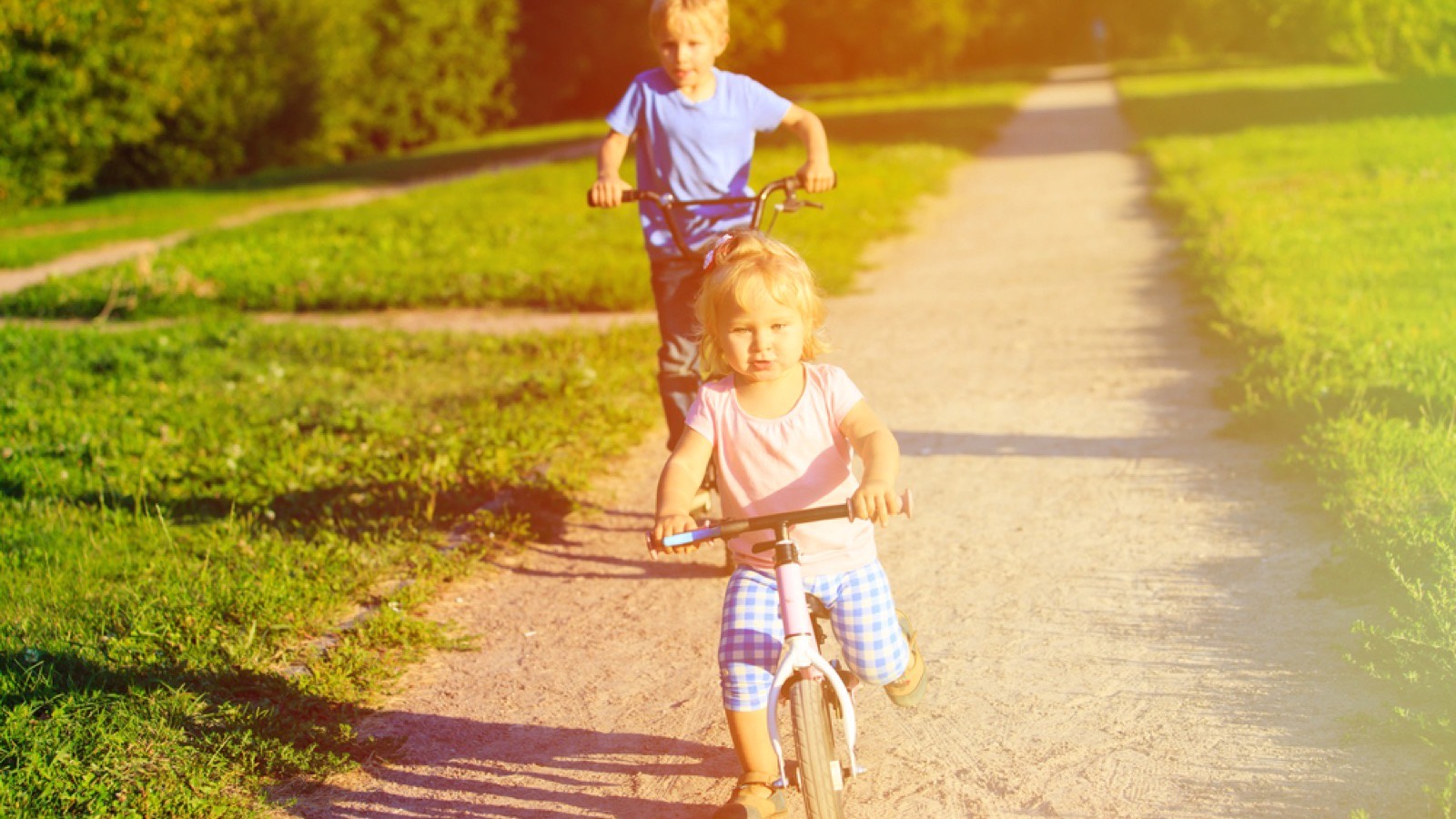
2. Riding Bikes Without a Helmet or a Destination
A bicycle meant freedom. Kids rode for miles with no helmet, no phone, and no plan. Baseball cards were clipped to the spokes with clothespins to make the bike sound like a motorcycle.
They rode to the creek, the ball field, or the corner store. Sometimes two or three kids piled onto one bike. Today, helmets are standard, and few parents let a young child ride out of sight.
3. Building Forts and Go-Carts From Scraps
Children were builders. They hauled scrap lumber into the woods and hammered together forts and tree houses. They made go-carts from wooden crates and old wagon wheels and raced them down hills.
They used real tools, including saws, hammers, and pocketknives. Smashed thumbs and splinters were part of the fun. Few modern children are handed a hammer and a box of rusty nails and told to go build something.
4. Catching Fireflies and Exploring Creeks
Summer evenings were for catching lightning bugs in a jar with holes punched in the lid. During the day, kids waded in creeks hunting for crawdads, tadpoles, and frogs. They came home soaked and muddy.
Nobody worried much about germs or ticks. Nature was the best toy there was. Children today spend far less time outdoors, and many have never turned over a rock to see what lives beneath it.
5. Playing With Toys That Would Be Recalled Today
Toys of the 1960s were not designed with safety in mind. There were chemistry sets with real chemicals, wood-burning kits, and lawn darts with heavy metal tips. Cap guns, BB guns, and slingshots were common gifts.
One popular toy let children cook plastic bugs on a hot plate that reached oven temperatures. Playgrounds had tall metal slides and merry-go-rounds over asphalt. These were things only boomer kids will remember owning.
6. Going to the Saturday Matinee
Saturday afternoon meant the movies. Parents dropped a carload of kids at the theater with a quarter each. That covered a double feature, cartoons, and maybe a box of candy.
The theater was packed with unsupervised children shouting at the screen. It was loud, sticky, and wonderful. Today’s kids watch films at home on demand and rarely know the thrill of a crowded matinee.
7. Making Their Own Fun on Rainy Days
When the weather kept them in, children got creative. They built blanket forts, played board games and jacks, and put on plays in the living room. They traded baseball cards and comic books.
Boredom was considered a child’s own problem to solve. Telling a mother “I’m bored” was a quick way to be handed a chore. Kids learned to entertain themselves, a skill that screens have made less necessary.
8. Earning and Spending Their Own Money
Kids found ways to make pocket money. They collected glass soda bottles for the deposit, delivered newspapers, mowed lawns, and shoveled snow. Then they walked to the store and spent it on penny candy and comic books.

A child with a paper route managed real money and real customers. That independence taught responsibility early. Experts still recommend kid-friendly chores that can help teach new skills.
Why Childhood Was So Free
Parents in the 1960s had a different view of risk. They believed children needed to roam, get hurt now and then, and learn from it. Constant supervision would have struck them as odd.
Neighborhoods were full of children and stay-at-home mothers. Somebody’s mother was always looking out a kitchen window. Kids were watched loosely by the entire block.
There was also less to keep them inside. Television offered little for children outside of Saturday morning. Staying indoors was boring, so everyone went out.
What Changed
Fear played a large part. Beginning in the 1980s, news coverage of child abductions made parents far more cautious. Even though such crimes by strangers are rare, the worry reshaped childhood.
Traffic increased, and neighborhoods changed. More mothers went to work, and fewer adults were home during the day. Organized sports and lessons replaced free play.
Then came screens. Video games, cable television, the internet, and smartphones gave children endless entertainment indoors. Smartphone ownership is now nearly universal among adults, according to the Pew Research Center, and children get devices at younger and younger ages.
What Kids Gained and Lost
Today’s children are safer in many ways. Car seats, bike helmets, and safer toys have prevented countless injuries. Nobody wants to bring back lawn darts.
They also have opportunities boomers never dreamed of. They can learn anything online, talk with relatives across the world, and explore interests that no small town could support. Those are real advantages.
But the loss of free play has costs. Many experts believe that children need unstructured time to develop independence, creativity, and social skills. Health officials are also concerned about inactivity, and the CDC recommends 60 minutes or more of physical activity each day for children and teens.
Can Any of It Come Back?
Some parents are trying. They are setting limits on screen time and sending kids outside. A few communities have set up “play streets” and adventure playgrounds where children can build and explore.
Grandparents can play a special role. They can teach a grandchild to fish, build a birdhouse, or catch fireflies. These simple activities are often the ones children remember most.
There are small ways grandparents make childhood feel magical, and sharing the games of their own youth is among the best. A deck of cards or a set of jacks costs almost nothing. The time spent together is what matters.
The Summers We Remember
Ask any boomer about childhood, and the stories pour out. They remember scraped knees, bike races, and the sound of a mother calling from the porch. They remember long days that seemed to last forever.
Those memories were made without a single screen. They were built from freedom, friends, and imagination. It is among the many things Americans grew up with that kids today may never experience.
What was your favorite thing to do on a summer day when you were a child? And have you ever shared it with your grandchildren?