10 Things Boomer Moms Said at the Dinner Table That Every Kid Remembers
The dinner table of the 1960s and 1970s had its own soundtrack. Forks clinked, the evening news murmured from the next room, and Mom kept up a steady stream of instructions. She did not need a parenting book, because she had a saying for every situation.
Those sayings were delivered the same way, night after night, in kitchens all across America. They were firm, they were final, and they were often a little funny. No child ever won an argument against one.
Decades later, grown children can still hear them word for word. Many have even caught themselves repeating them. Here are ten things boomer moms said at the dinner table that every kid remembers.
1. “There Are Starving Children in the World”
This was the classic response to a plate of untouched food. Depending on the decade, the starving children were in China, India, or Africa. The message was that you should be grateful and eat your peas.
Many kids made the mistake of suggesting that Mom mail the food to them. That never ended well. The saying came from parents who had known real scarcity and could not bear to see food wasted.
2. “You’ll Sit There Until You Finish It”
This was no empty threat. Countless children sat alone at the table long after everyone else had left, staring at cold lima beans or liver. Some stayed until bedtime.
Mothers believed that a child should eat what was served and that giving in would create a picky eater. Kids developed clever tricks, such as hiding food in a napkin or feeding it to the dog. Most were eventually caught.
3. “This Is Not a Restaurant”
Any child who asked for something different heard this one. Mom made one meal for the entire family, and that was what was for dinner. There were no special orders and no substitutions.
The alternative was simple. You could eat what was on your plate or you could go hungry until breakfast. It is a sharp contrast to today, when many parents cook separate meals for each child.
4. “Elbows Off the Table”
Table manners were taken seriously. Elbows on the table earned a sharp look and sometimes a tap with a spoon. Children were also told to sit up straight, keep their napkin in their lap, and chew with their mouths closed.
These rules were about respect for the meal and the people sharing it. Many of them have faded from modern life. They are among the old-school etiquette rules that have quietly disappeared.
5. “Don’t Talk With Your Mouth Full”
Every child heard this at least once a week. An exciting story from school had to wait until the food was swallowed. Mom could spot a full mouth from across the kitchen.
It was closely followed by “Don’t sing at the table” and “Don’t play with your food.” Dinner was a time for polite conversation, not a performance. Most kids learned the lesson, even if it took a few hundred reminders.
6. “Wait Until Your Father Gets Home”
Dinner did not start until Dad walked through the door. Children were told to wash up and wait, no matter how hungry they were. The family sat down together, and nobody lifted a fork until everyone was seated.
The phrase had a second meaning as well. A child who misbehaved in the afternoon was warned that the matter would be discussed at dinner. It made for some very quiet meals.
7. “Just Try One Bite”
When a new or unpopular food appeared, Mom insisted on at least one bite. She called it a “no thank you helping.” You did not have to like it, but you did have to taste it.
She was sure that a child’s tastes would change if they kept trying. In many cases she was right, and adults now love foods they once refused. Experts today still encourage offering new foods many times without pressure.
8. “May I Please Be Excused?”
Nobody simply got up from the table. A child had to ask permission and wait for an answer. Leaving without asking was considered rude.
Even after being excused, there were duties. Children carried their plates to the sink and often helped clear the table. Chores were a normal part of family life, and many of the life skills boomers mastered began with simple jobs like these.
9. “No Dessert Until You Clean Your Plate”
Dessert was the reward at the end of the meal, and it had to be earned. A child who left vegetables on the plate watched everyone else eat pudding or pie. Membership in the “clean plate club” was a point of pride.
Nutrition experts no longer recommend this approach. Many now say that forcing children to finish everything can teach them to ignore their own sense of fullness. At the time, though, it was simply how things were done.
10. “Eat It, It’s Good for You”
This was Mom’s answer to every complaint about spinach, liver, or cod liver oil. She did not explain vitamins or minerals. The fact that it was good for you was reason enough.
Children were told that carrots would help them see in the dark and that bread crusts would make their hair curl. Not all of it was accurate. But it came from a mother’s wish to see her children grow up strong.
Why Mothers Said These Things
Boomer moms were raised by parents who had lived through the Great Depression and World War II. Food had been scarce, and wasting it was almost a sin. That attitude was passed directly to the next generation.
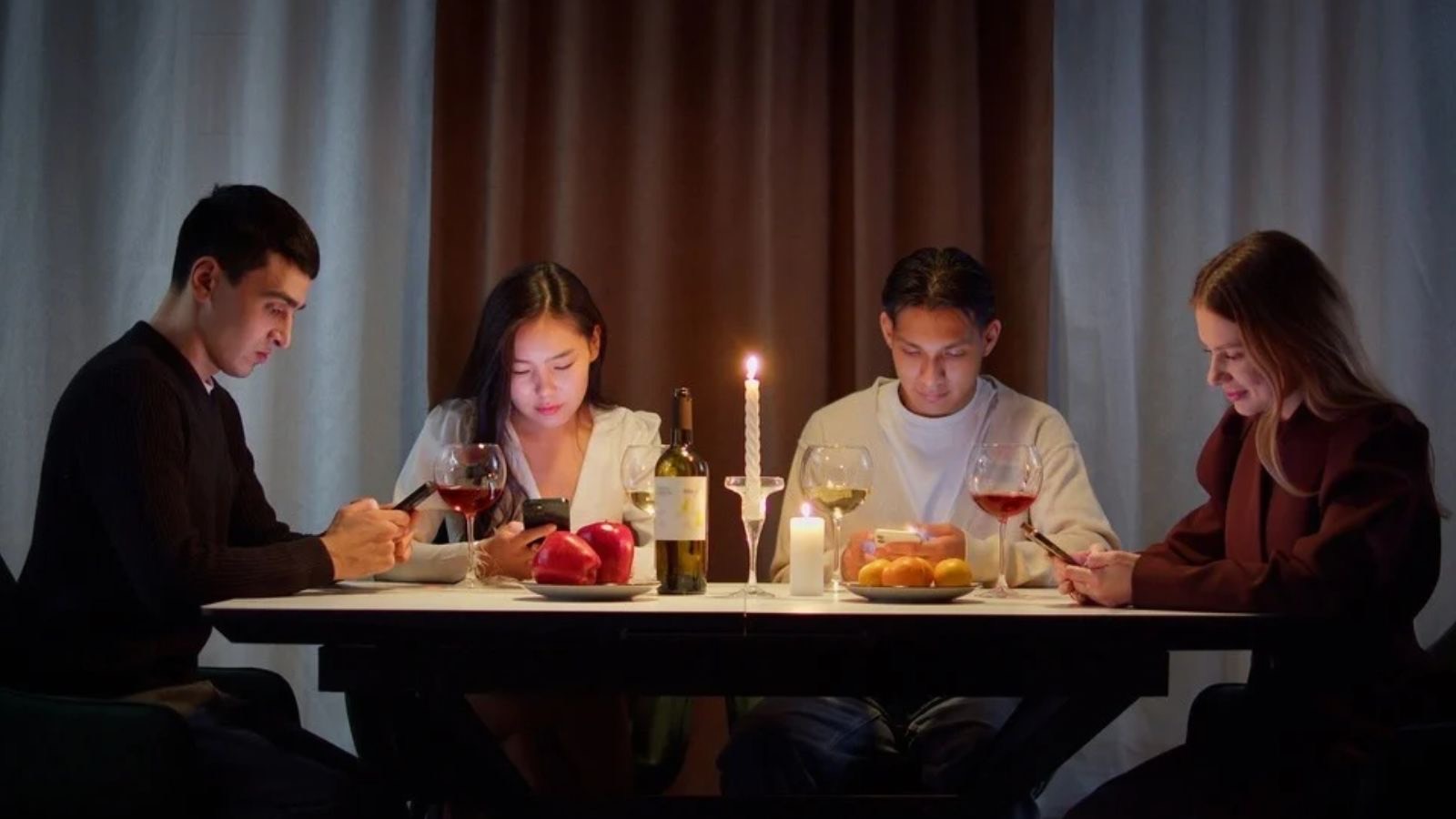
Family dinner was also treated as a daily lesson. It was where children learned manners, patience, and how to carry on a conversation. Research has found real value in the habit, and experts at Harvard Graduate School of Education have described many benefits of regular family mealtimes.
Mothers had a great deal on their shoulders. Most cooked every night on a tight budget, and they did not have the time or money to cater to each child. A firm rule was the only practical way to run the table.
What Has Changed Since Then
Family dinners look different today. Schedules are busier, both parents often work, and meals are frequently eaten in shifts or in front of a screen. Many of the old rules have relaxed or vanished.
Parents now tend to offer choices and to explain their reasons. Children are rarely made to sit until their plates are empty. Some older Americans think that is an improvement, and others think something valuable has been lost.
Organizations such as the Family Dinner Project now encourage families to bring back the shared meal. The focus is less on rules and more on conversation. Even so, a few of Mom’s sayings still have a way of slipping out.
The Voice We Still Hear
For many adults, these phrases are tied to some of their warmest memories. They bring back the smell of supper, the crowded table, and a mother who seemed to have eyes in the back of her head. Even the scoldings sound sweet in hindsight.
Many of us only understood her once we had children of our own. Which of these did your mother say most often, and have you ever heard yourself saying it too?