7 Food Habits Boomers Picked Up From Their Depression-Era Parents
If you were raised by parents who lived through the Great Depression, you know the signs. There was a drawer full of washed bread bags and folded tin foil. There was a coffee can of bacon grease by the stove and a refrigerator full of tiny dishes of leftovers.
Those parents had seen real hunger, and they never forgot it. They came of age when jobs vanished, banks failed, and families stood in bread lines. Then came World War II and years of rationing.
The habits they formed were passed directly to their children. Boomers absorbed them at the dinner table, often without realizing it. These seven food habits came straight from Depression-era parents, and many boomers still follow them today.
1. Cleaning Your Plate
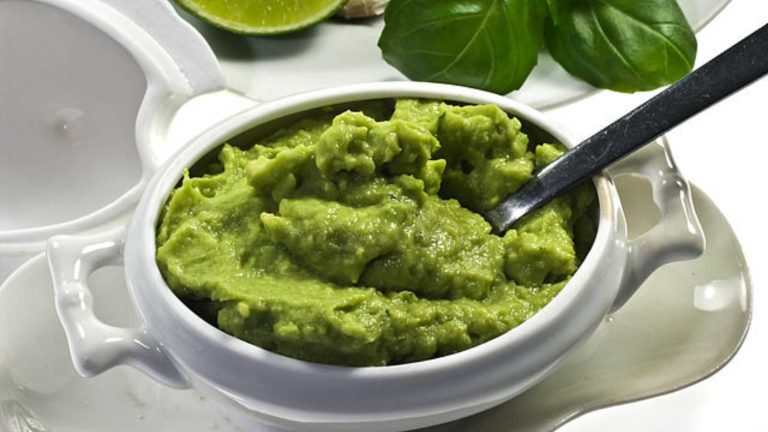
The first rule of the Depression-era table was that you ate everything you were given. Leaving food on your plate was simply not allowed. Children sat until every bite was gone.
To parents who had gone to bed hungry, wasted food was close to a sin. Many boomers still feel a twinge of guilt when they cannot finish a meal. Some admit they eat more than they want just to avoid throwing food away.
2. Saving Every Leftover
Nothing was thrown out, no matter how small. Three spoonfuls of peas went into a dish and back into the refrigerator. By the end of the week, those scraps became soup, hash, or a casserole.
Boomers learned to see leftovers as the start of another meal. Many still save bits of food their own children would toss. Modern guidance from the USDA says leftovers should be used within three to four days, a rule their parents did not always follow.
3. Keeping a Deep Pantry
Depression-era parents never felt safe unless the cupboards were full. They stocked canned goods, flour, sugar, and dried beans as insurance against hard times. Many kept a second pantry in the basement.

Their children picked up the same instinct. Boomers are far more likely than younger adults to keep a month’s worth of food in the house. An empty shelf makes them uneasy, even when the store is five minutes away.
4. Stretching Meat
Meat was expensive, so it was never the whole meal. A pound of ground beef was mixed with bread crumbs, oatmeal, or rice to make meatloaf for six. A little ham flavored a big pot of beans.
Boomers grew up on casseroles, stews, and dishes built around a starch. Many still cook that way automatically. The idea of a large steak for each person seems extravagant to someone raised on stretched meals.
5. Reusing Everything in the Kitchen
Food was not the only thing that was saved. Bread bags, butter tubs, glass jars, rubber bands, and twist ties were all washed and kept. Aluminum foil was smoothed out and used again.
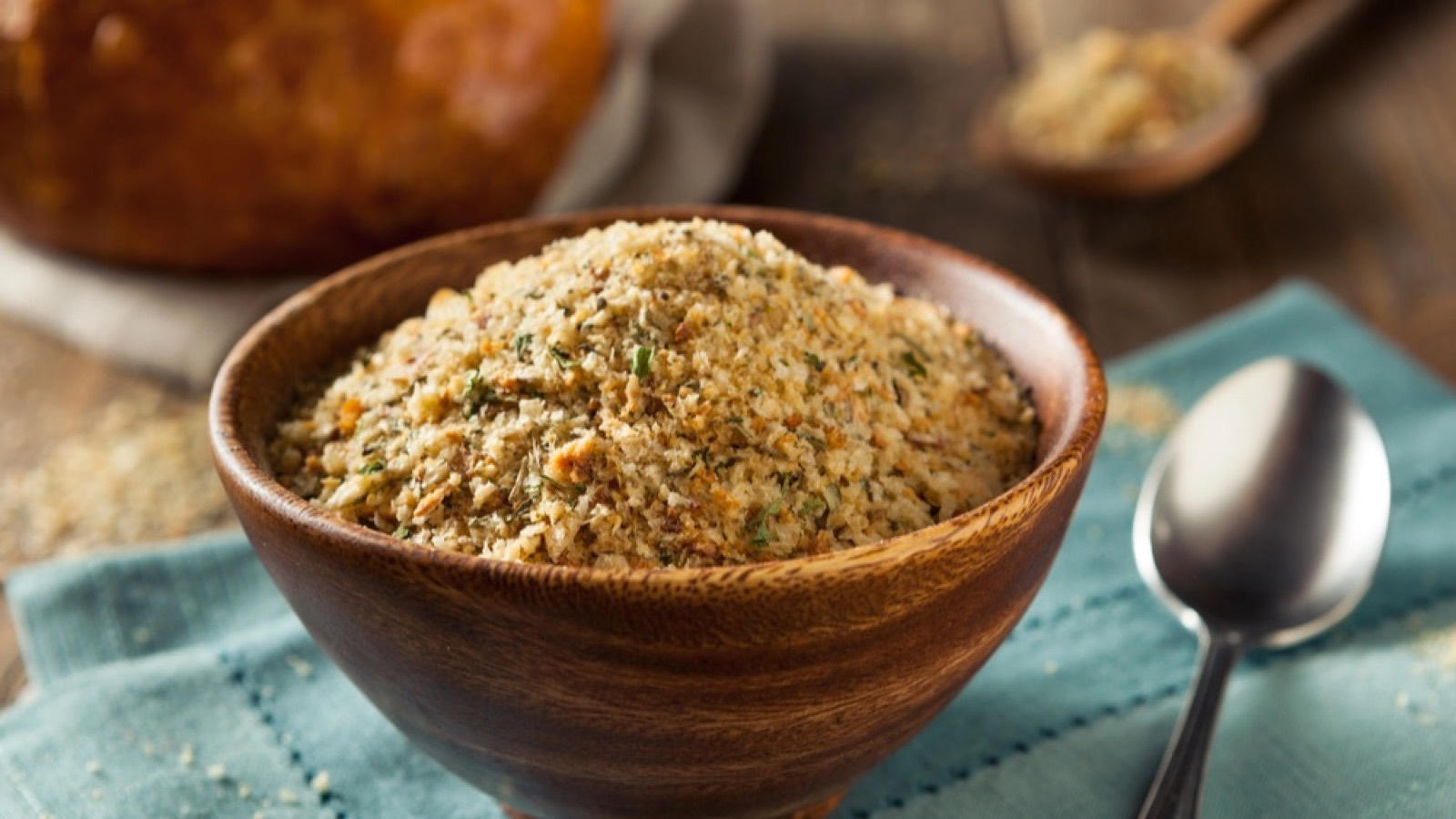
Bacon grease, chicken fat, and meat drippings were saved for cooking. Stale bread became crumbs, stuffing, or bread pudding. These are among the frugal habits boomers were teased for that many now consider smart.
6. Growing and Preserving Food
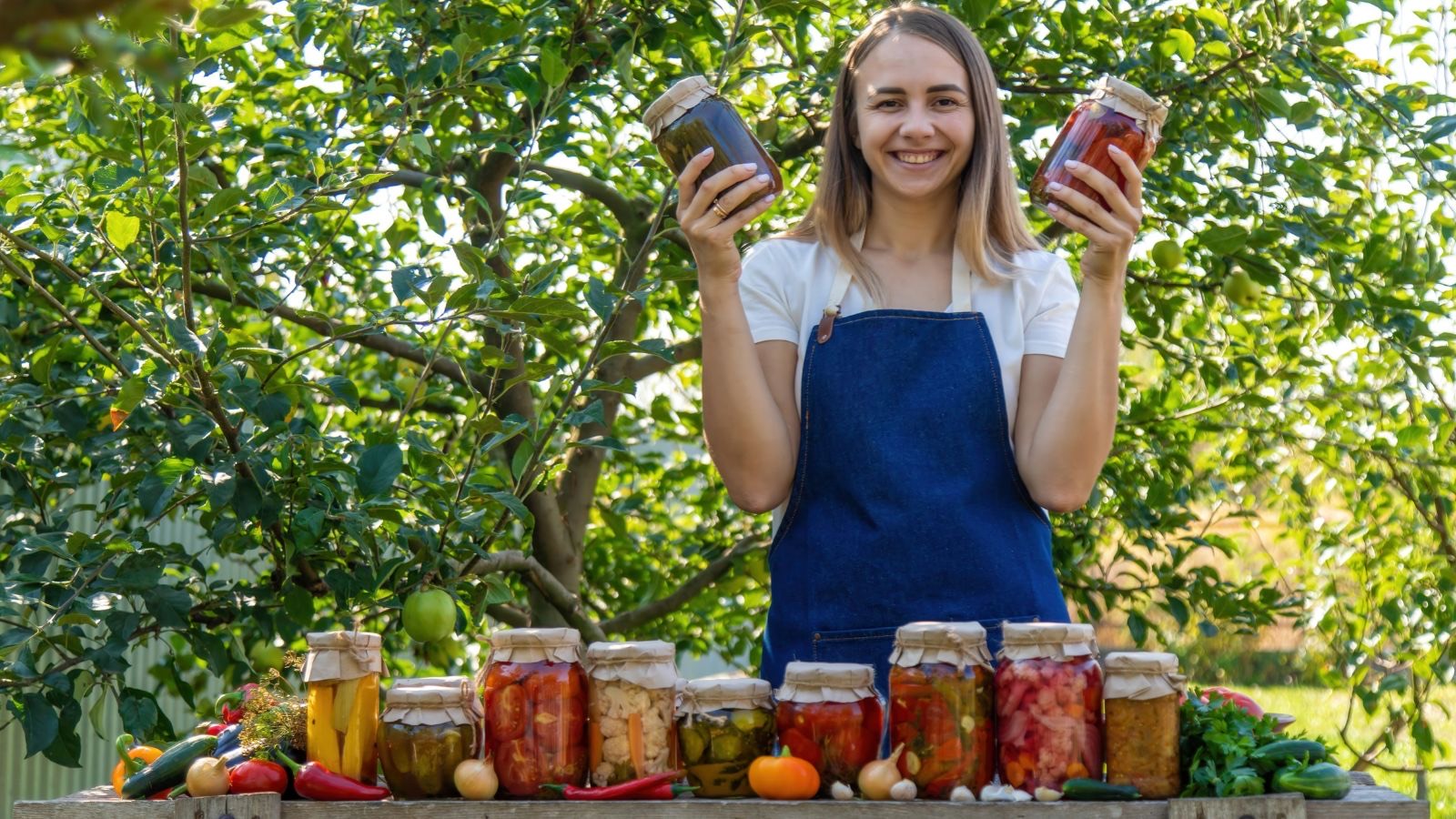
Many Depression-era families survived because of their gardens. They grew vegetables, kept chickens, and canned everything they could for winter. During the war, the government encouraged the same thing through victory gardens, as the National WWII Museum explains.
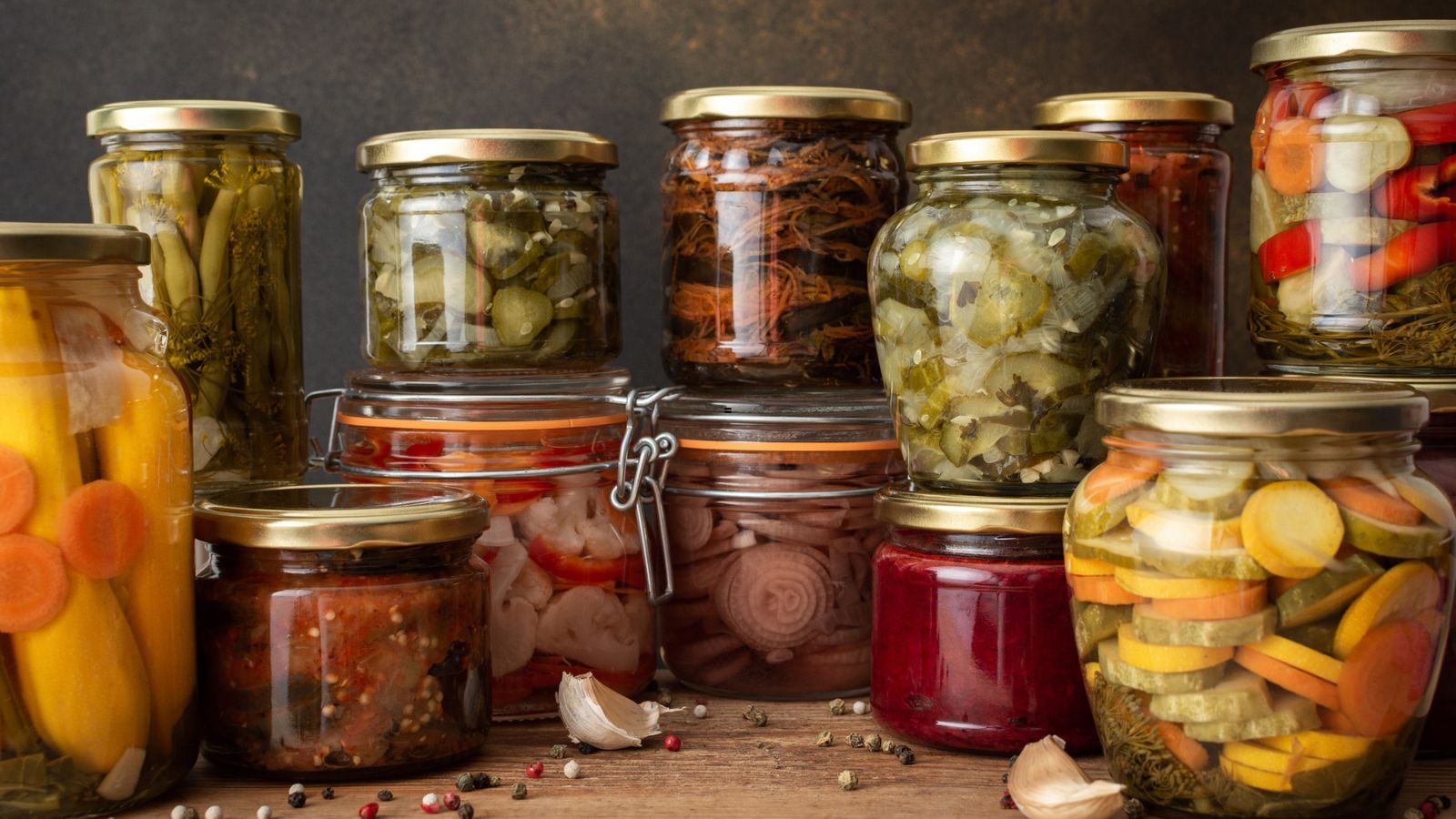
Boomers grew up weeding rows, snapping beans, and watching jars of tomatoes cool on the counter. Plenty of them still plant a garden every spring. Those who can and freeze today rely on tested methods from sources like the National Center for Home Food Preservation.
7. Never Paying Full Price
Depression-era parents shopped with great care. They read the sales flyers, clipped coupons, and bought what was cheapest that week. Brand loyalty mattered less than the price tag.
Their children learned to compare prices and to buy in bulk when something was on sale. Many boomers still cannot pass up a good deal on canned goods. They also remember what things used to cost, which makes today’s prices hard to accept.
Why These Habits Ran So Deep
The Great Depression was not a short crisis. It lasted about a decade, and at its worst, roughly one in four American workers was unemployed. Families lost homes, farms, and savings.
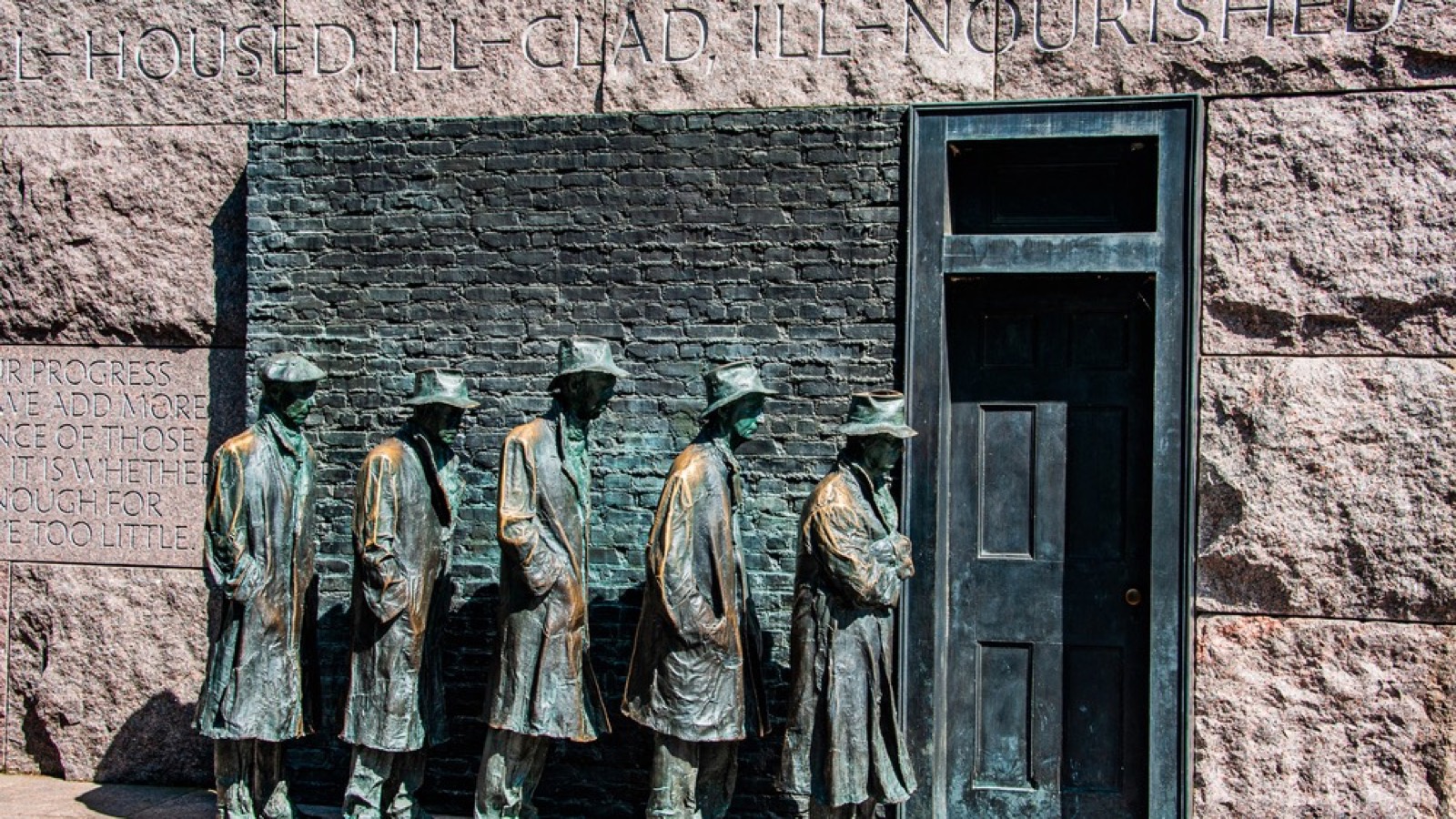
Children who grew up in those years carried the memory for life. Even when they became comfortable, they could not shake the feeling that it might all disappear. Saving and stretching were how they protected their families.
World War II reinforced the lesson. Sugar, meat, butter, coffee, and canned goods were all rationed. Homemakers were told that food was a weapon and that wasting it hurt the war effort.
How Boomers Carried Them Forward
Boomers grew up in a time of plenty, but the old rules still governed the kitchen. They heard about the Depression at every meal. “You don’t know what it’s like to be hungry” was a common refrain.
As adults, many found themselves doing exactly what their mothers had done. They saved the jars, froze the leftovers, and felt bad about every wasted crust. The habits had become second nature.
Some of these habits have made a comeback among younger people. Rising prices and concern about waste have made thrift fashionable again. Many boomer habits are being rediscovered by a new generation.
Were the Old Ways Right?
In most cases, yes. Americans waste a staggering amount of food, and the USDA estimates that 30 to 40 percent of the food supply goes uneaten. A Depression-era cook would be horrified.
Using leftovers, cooking from scratch, and stretching meat with beans and grains are all sound practices. They save money and tend to be healthier as well. Grandma’s kitchen ran on principles that experts now recommend.
A few habits deserve a second look. Forcing children to clean their plates is no longer advised, and some old practices around storing food were not safe. Keeping leftovers too long or leaving food out for hours can make people sick.
A Legacy Worth Keeping
Behind all of these habits is a simple idea. Food is precious, and it should be treated with respect. People who had gone without understood that better than anyone.
That may be the most valuable thing Depression-era parents passed on. They taught their children gratitude and the skill of making do with what they had. Those lessons are still a source of ways Grandma made every dollar do double duty.
If you still save bread bags or cannot throw away a spoonful of peas, you know where it came from. Which Depression-era habit did your parents pass on to you, and have your own children picked it up?