9 Unspoken Rules Women Grew Up With in the 1960s
Girls who grew up in the 1960s learned a great many rules that nobody ever wrote down. They picked them up from their mothers, their teachers, their churches, and the magazines on the coffee table. Some were spoken out loud, but most were simply understood.
These rules shaped how women dressed, how they spoke, what they hoped for, and what they believed they were allowed to do. Many women followed them without question, because that was simply how the world worked. Others quietly pushed against them, and some eventually helped tear them down.
Looking back, many of these expectations seem surprising, even unfair. Yet they help explain the lives of the women who raised today’s adults. Here are nine unspoken rules women grew up with in the 1960s.
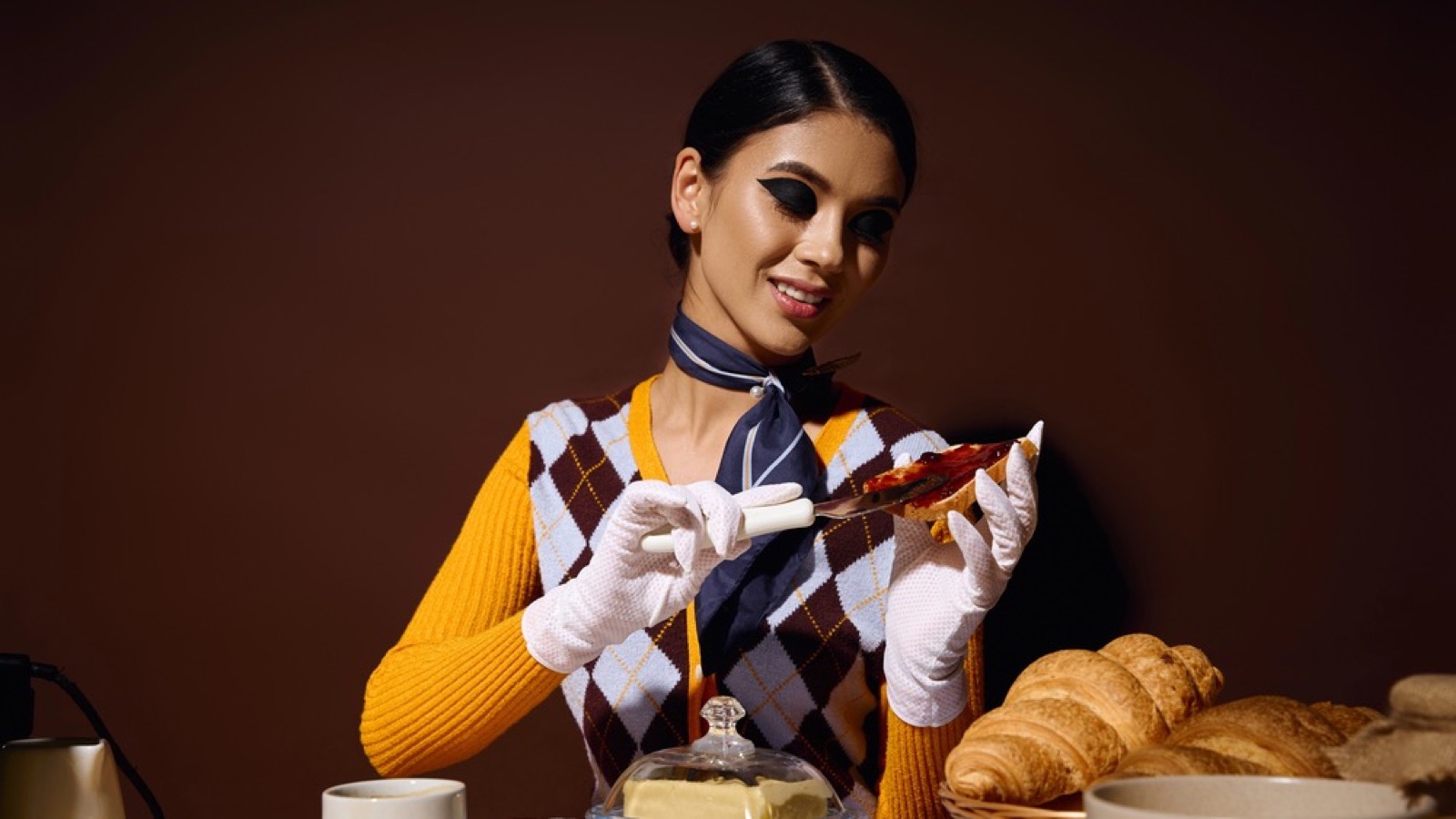
1. A Good Girl Doesn’t Make a Fuss
Girls in the 1960s were taught to be polite, quiet, and agreeable. Speaking up too loudly or disagreeing with adults was considered rude. A “good girl” did not make a fuss.
Many women carried this rule into adulthood. They found it hard to speak up at work, in relationships, or at the doctor’s office. Some still struggle with it today.
Many women now say they wish they had learned to speak up sooner. They encourage their daughters and granddaughters to use their voices. It is one of the social pressures many women outgrow with age.
2. Marriage Is the Main Goal
For many girls in the 1960s, marriage was presented as the ultimate goal. They were encouraged to find a husband, settle down, and start a family. College was sometimes seen as a place to meet a husband.
Women who remained single into their late 20s were sometimes pitied or judged. The median age at first marriage for women was about 20 in the early 1960s. Many women married soon after high school.
Today, women marry later and have more choices. Many focus on education and careers first. The pressure to marry young has eased considerably.
3. Always Look Presentable
Women in the 1960s were expected to look neat and put-together at all times. They wore dresses, set their hair, and applied makeup before leaving the house. Even a trip to the grocery store required effort.
Many women remember their mothers never leaving the house without lipstick. Wearing pants in public was not acceptable in many places. Appearance was closely tied to respectability.
Today, women have more freedom in how they dress. But some still feel pressure to look perfect. The habit of always looking presentable is hard to shake.
4. Don’t Talk About Money
Girls in the 1960s were often taught that talking about money was impolite. Women rarely discussed their salaries, finances, or investments. Many left money matters to their husbands.
This rule left many women unprepared to manage their finances. Some faced difficulties after divorce or widowhood. They had to learn quickly.
Today, more women are taking charge of their finances. They talk openly about money and plan for their futures. Many say financial independence is one of their most important goals.
5. Put Everyone Else First
Women in the 1960s were taught to put their families first. They cared for their husbands, children, and parents before thinking of themselves. Self-care was seen as selfish.
Many women spent their lives taking care of others. They rarely had time for their own interests. Some later felt they had lost themselves.
Today, many women are learning to balance caring for others with caring for themselves. They recognize that their own health and happiness matter. It is a lesson many older women now share.
6. Certain Careers Are for Men
Girls in the 1960s were often steered toward certain careers, such as teaching, nursing, or secretarial work. Careers in medicine, law, and engineering were seen as men’s work. Many girls never considered them.
The Civil Rights Act of 1964, through its Title VII protections, made it illegal to discriminate in employment based on sex. But change was slow. Many women faced barriers in the workplace for years.
Today, women work in every field. They are doctors, lawyers, engineers, and CEOs. The progress made since the 1960s is remarkable.
7. Keep Family Problems Private
Women in the 1960s were taught to keep family problems behind closed doors. Discussing marital troubles, financial struggles, or mental health issues was considered shameful. Many women suffered in silence.
This rule made it difficult for women to seek help. Some stayed in unhappy or even abusive marriages. They felt they had no one to turn to.
Today, there is more openness about family problems. Women can seek counseling, support groups, and legal help. The National Domestic Violence Hotline offers support to those who need it.
8. Be Grateful for What You Have
Girls in the 1960s were taught to be grateful and not ask for too much. Wanting more from life was sometimes seen as greedy or ungrateful. Contentment was considered a virtue.
Gratitude is a valuable trait. But this rule sometimes kept women from pursuing their dreams. They felt they should be satisfied with what they had.
Many women now encourage their daughters to dream big. They want them to pursue their goals without guilt. Ambition is no longer seen as a flaw.
9. A Woman’s Reputation Is Everything
In the 1960s, a woman’s reputation was considered her most valuable asset. Girls were warned about behavior that might damage their reputation. Double standards were common.
Men could often behave in ways that women could not. Women were judged harshly for the same actions. This created pressure and fear.
Today, many people recognize these double standards as unfair. Women have more freedom to live their lives. But some double standards still exist.
How These Rules Shaped a Generation
These unspoken rules shaped the lives of millions of women. They influenced their choices, relationships, and careers. Many women followed them without question.
But many women also challenged these rules. The women’s movement of the 1960s and 1970s brought significant changes. Women gained more rights and opportunities.
Lessons for Today
Many women who grew up in the 1960s now share their experiences with younger generations. They talk about the rules they followed and the ones they broke. Their stories are a reminder of how far women have come.
These lessons echo the hardest truths many boomers have learned. Which of these unspoken rules did you grow up with, and which ones do you think still affect women today?