9 Cheap Foods That Can Feed a Family for Days
When money is tight, the grocery store can feel like a battlefield. Prices seem higher every week, and it is easy to leave with a few small bags and a big receipt. Many families are looking for ways to stretch their food budgets without going hungry.
Older generations knew how to do this well. Parents and grandparents who lived through hard times relied on a handful of inexpensive staples that could be turned into meal after meal. Those foods filled bellies, kept families healthy, and cost very little.
Many of the same foods are still among the best bargains in the store. Here are nine cheap foods that can feed a family for days, along with simple ways to turn them into hearty meals.
1. Dried Beans
Dried beans are one of the most affordable sources of protein available. A one-pound bag usually costs only a couple of dollars and can make many servings once cooked. Pinto beans, black beans, navy beans, and lentils are all good choices.
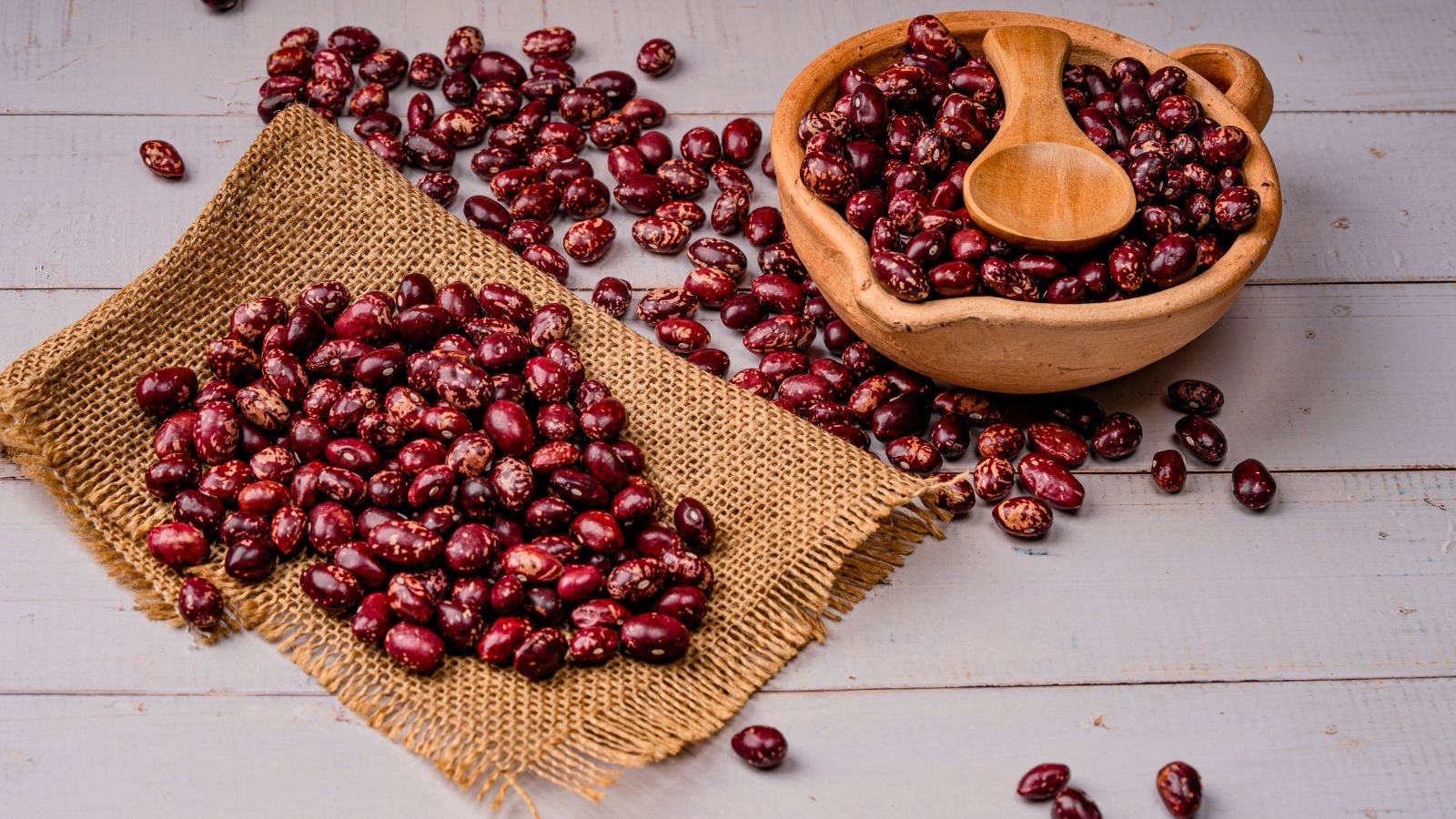
Beans can be turned into soups, chili, refried beans, bean burritos, or a simple pot of beans and cornbread. They are filling and full of fiber. Harvard’s Nutrition Source notes that legumes are rich in protein, fiber, and important minerals.
Cooking dried beans takes time, but a slow cooker or pressure cooker makes it easier. Many families cook a big batch on the weekend and use it all week. Leftover beans can be frozen in portions for later.
2. Rice
Rice is another inexpensive staple that can feed a family for days. A large bag costs little and lasts a long time in the pantry. It pairs with almost anything, from beans and vegetables to chicken and eggs.
Rice and beans together make a complete protein and a satisfying meal. Fried rice is a great way to use leftovers. Rice can also be used in casseroles, soups, and stuffed peppers.
Cooked rice should be stored carefully, because it can carry bacteria if left out. Cool and refrigerate it promptly, as this guide to rice food safety explains. Use leftovers within a few days.
3. Potatoes
Potatoes are filling, versatile, and cheap. A ten-pound bag can feed a family for a week or more. They can be baked, mashed, roasted, fried, or added to soups and stews.
Potatoes provide vitamin C, potassium, and fiber, especially when the skin is eaten. Loaded baked potatoes with cheese, beans, or leftover chili can make a full meal. Potato soup is another inexpensive favorite.
Store potatoes in a cool, dark place to help them last. Avoid storing them near onions, which can make them spoil faster. With proper storage, potatoes can last for weeks.
4. Eggs
Even when egg prices rise, eggs are still an affordable source of protein compared with most meats. A dozen eggs can make several meals. They can be scrambled, boiled, fried, or baked into casseroles.
Eggs are not just for breakfast. Many families enjoy breakfast-for-dinner nights with eggs and toast. Egg fried rice, frittatas, and egg salad sandwiches are other budget-friendly meals.
Hard-boiled eggs make easy snacks and lunches. They are a good way to add protein to salads and sandwiches. Eggs are one of the most useful ingredients in any kitchen.
5. Oats
A large canister of oats is inexpensive and can make many breakfasts. Oatmeal is filling and can be topped with fruit, cinnamon, or a little brown sugar. Oats can also be used in baking and as a filler in meatloaf.
Harvard’s Nutrition Source notes that oats are a whole grain with soluble fiber. That fiber helps keep people full longer. It is a smart way to start the day on a budget.
Many families buy oats in bulk to save even more. Overnight oats are a convenient option for busy mornings. Oats can also be used to make homemade granola bars and cookies.
6. Whole Chicken
A whole chicken is often cheaper per pound than boneless cuts. It can be roasted for dinner, and the leftover meat can be used in sandwiches, salads, soups, and casseroles. The bones can be simmered to make broth.
This is how many grandmothers stretched one chicken into several meals. Roast chicken on Sunday became chicken salad on Monday and chicken soup on Tuesday. Nothing went to waste.
Rotisserie chickens from the grocery store can also be a good value. They are already cooked and can save time. Many families use them for quick meals throughout the week.
7. Pasta
Pasta is one of the cheapest and most filling foods in the store. A box of spaghetti or macaroni costs little and can feed a family. It pairs well with tomato sauce, cheese, vegetables, and meat.
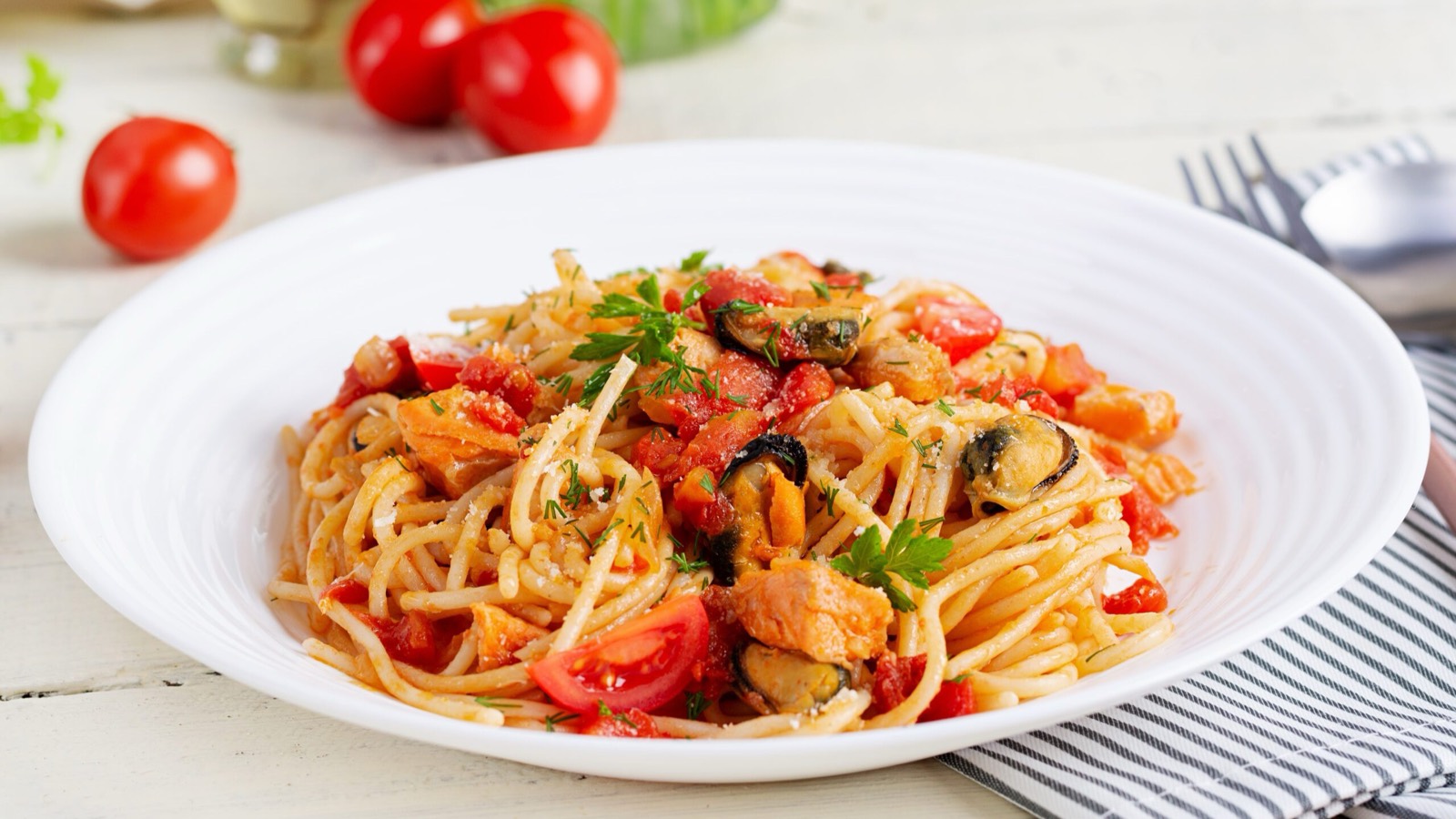
Pasta dishes can be stretched by adding beans, vegetables, or a small amount of meat. Baked ziti and macaroni and cheese can feed a crowd. Leftovers often taste even better the next day.
Store-brand pasta is usually just as good as name brands. Many families stock up when pasta is on sale. It has a long shelf life and is always useful.
8. Cabbage
Cabbage is one of the most affordable vegetables in the store. A single head can last a long time in the refrigerator. It can be used in soups, stir-fries, coleslaw, and casseroles.
Cabbage is rich in vitamins and fiber. Fried cabbage with onions and a little bacon was a favorite in many Southern and Appalachian homes. Cabbage rolls and cabbage soup are other budget-friendly meals.
Cabbage is also easy to grow in a home garden. It is a hardy vegetable that stores well. Many older generations relied on it during hard times.
9. Canned Tomatoes and Frozen Vegetables
Canned tomatoes and frozen vegetables are budget-friendly ways to add nutrients to meals. They are often cheaper than fresh produce and last much longer. They can be used in soups, sauces, and casseroles.
Frozen vegetables are picked and frozen at peak ripeness, so they retain many nutrients. Canned tomatoes can be the base of chili, spaghetti sauce, and stews. These pantry staples make it easy to cook from scratch.
Many families keep a stock of canned and frozen vegetables for busy nights. They can be added to almost any meal. They help stretch meals and reduce waste.
How Older Generations Made It Work
Older generations made these foods stretch by cooking from scratch and using leftovers creatively. They planned meals around what was cheap and in season. They also rarely ate out, which saved a great deal of money.
These habits are still useful today. Many of them are among the frugal habits that boomers were once teased for and that now seem smart. They help families eat well on a budget.
Eating Well Without Spending Much
Eating on a budget does not have to mean eating poorly. With a few inexpensive staples, families can make nutritious, filling meals. A little planning and creativity go a long way.
What cheap food does your family rely on when money is tight, and what is your favorite way to make it? Many families have recipes passed down through generations that make the most of simple ingredients.