9 Old-Fashioned Desserts That Were at Every Church Social in the 1960s
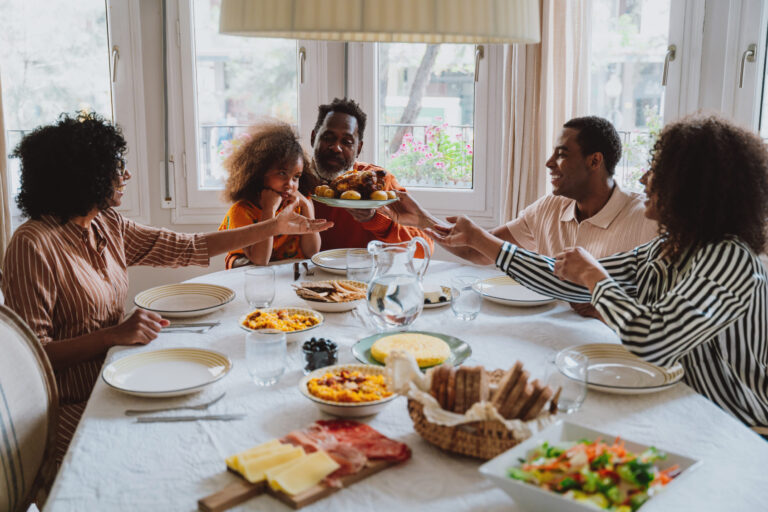
In the 1960s, the church social was one of the biggest events on a small town’s calendar. Families arrived after the service or on a warm Saturday afternoon, and the long folding tables in the fellowship hall slowly filled with covered dishes. The main courses mattered, but most people, children especially, were really there for the dessert table.
That table was where the women of the congregation quietly competed. Nobody would ever admit it, but everyone knew whose pie disappeared first and whose cake was left with only one slice missing. A reputation for a good dessert could follow a woman for decades.
Many of those sweets have faded from modern gatherings, replaced by store-bought cookies and grocery bakery sheet cakes. Here are nine old-fashioned desserts that showed up at almost every church social in the 1960s, and that many people still remember fondly.
1. Sheet Cake With Boiled Frosting
The sheet cake was the workhorse of the dessert table. Baked in a large rectangular pan, it could be cut into two dozen squares or more, which made it perfect for feeding a crowd. Chocolate and yellow cake were the most common, and the Texas sheet cake, with its thin layer of pecan fudge icing, was a favorite in the South.
Many women topped their cakes with a cooked or “boiled” frosting made from sugar, egg whites, and water whipped over heat. It was glossy, sweet, and held up well on a warm day. The recipe was usually handwritten on a card that had been passed down from a mother or aunt.
2. Lemon Meringue Pie
A lemon meringue pie with tall, golden peaks was a showpiece. It took real skill to make the filling set properly and to keep the meringue from weeping. Women who could manage it were quietly admired by everyone in the room.
The pies were usually cut into eight generous wedges and set out on paper plates. They tended to vanish before the main meal was even finished. Many people still say no bakery version has ever tasted quite the same as the ones from church.
3. Icebox Cake
The icebox cake was a lifesaver for busy women because it needed no oven at all. Thin chocolate wafers were stacked with sweetened whipped cream, shaped into a log, and left in the refrigerator overnight. The wafers softened into something like cake, and slicing on the diagonal revealed pretty stripes.
The recipe was printed right on the box of Nabisco’s Famous Chocolate Wafers for years. When the company stopped making the wafers in 2023, NPR reported that fans were heartbroken, though home cooks found substitutes to keep the tradition going.
4. Banana Pudding
In Southern churches especially, banana pudding was close to mandatory. Layers of vanilla custard, sliced bananas, and vanilla wafers were built up in a deep glass dish, often finished with a meringue topping browned in the oven. Some cooks used boxed pudding, but the best ones were made from scratch on the stove.
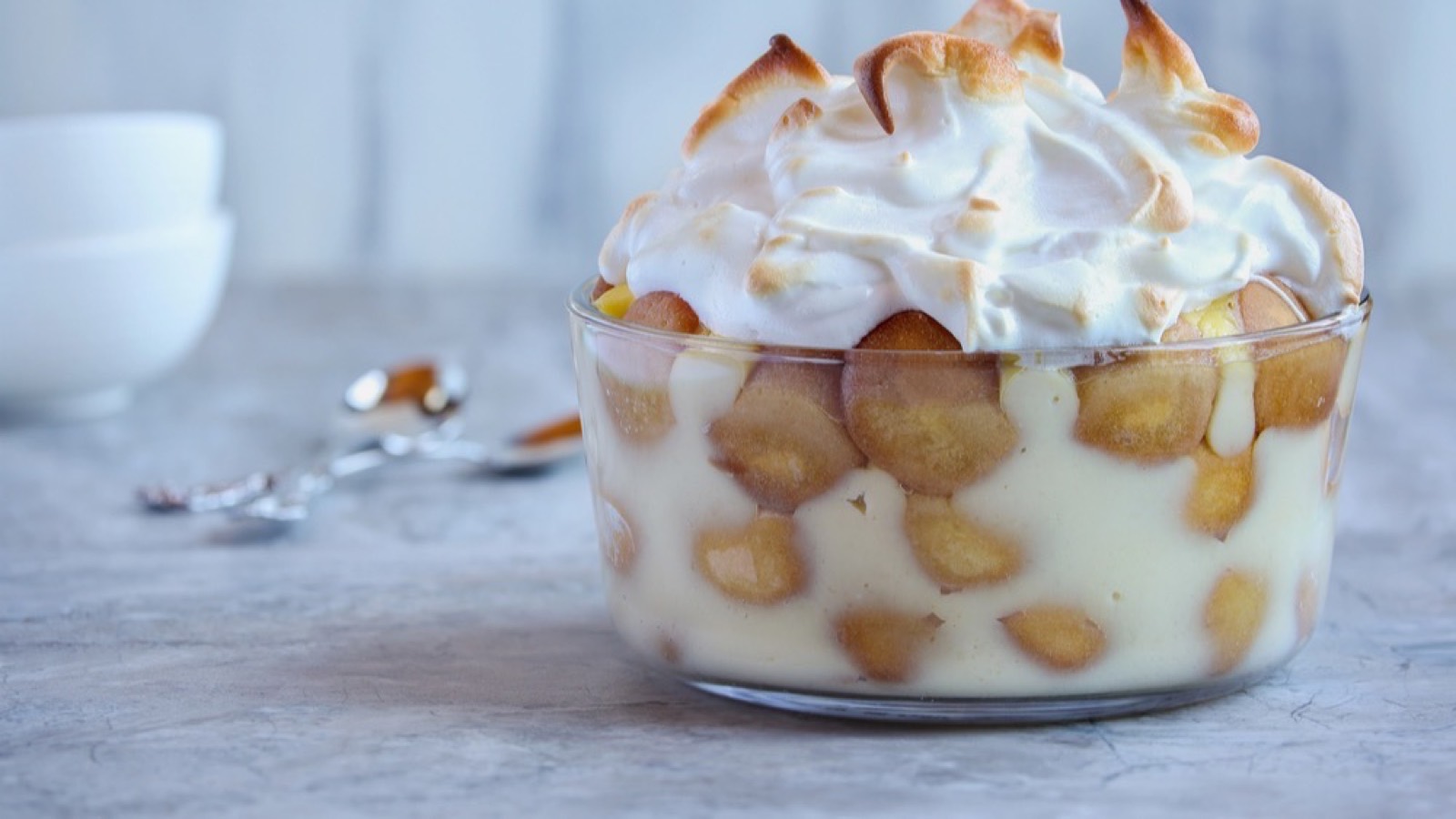
The dish was easy to scoop and stretched to feed many people. It also traveled well in a covered casserole dish. Even today, many church potlucks in the South would feel incomplete without it.
5. Jell-O Salad
It is hard to say whether Jell-O salad was a side dish or a dessert, and in the 1960s, it was often both. Lime gelatin with crushed pineapple and cottage cheese, or strawberry gelatin with bananas and a sour cream layer, were set in decorative ring molds. They wobbled proudly on a bed of lettuce.
These molded salads were a sign that the cook was modern and fashionable. Some families still make them at holidays, while others consider them among the bizarre food trends that are better left in the past. Either way, they were everywhere.
6. Pineapple Upside-Down Cake
Pineapple upside-down cake made a striking impression on any dessert table. Rings of canned pineapple and bright red maraschino cherries were arranged in a cast-iron skillet with butter and brown sugar. The batter went on top, and once baked, the whole thing was flipped onto a platter.
The caramelized topping looked festive and tasted rich. Canned pineapple had become cheap and widely available, so the cake felt special without costing much. It was one of the forgotten Grandma desserts that many families still think deserves a comeback.
7. Homemade Fruit Cobbler
When summer fruit was in season, cobblers appeared by the panful. Peaches were the classic choice, but blackberries, cherries, and apples were common, too. The fruit was sweetened and baked under a biscuit or batter topping until it bubbled at the edges.
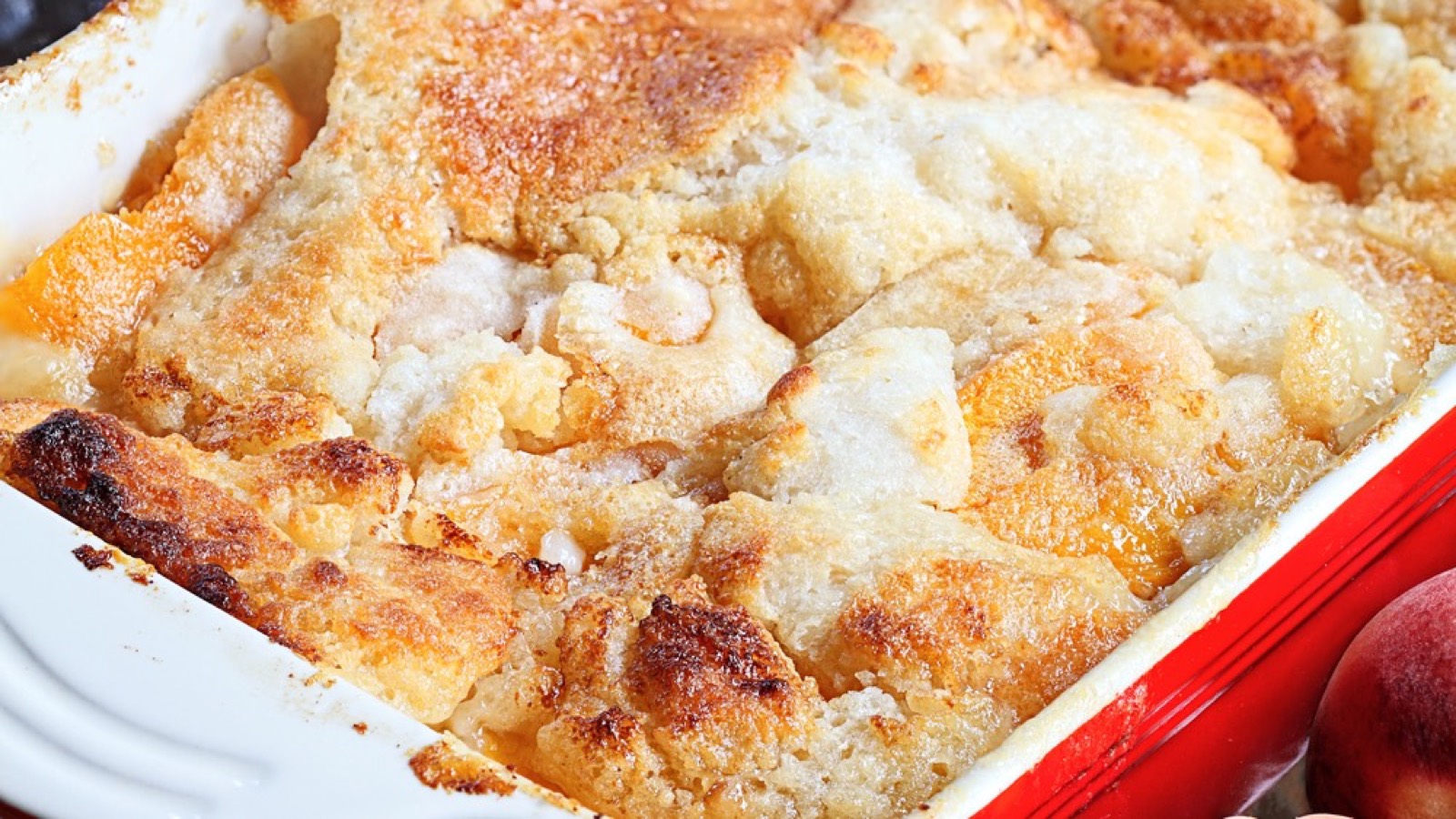
Cobbler was forgiving and easy to make in large batches. It was often served warm, and if someone brought a cooler of homemade vanilla ice cream, the line at the dessert table grew longer. It is still one of the most comforting desserts in American cooking.
8. Chess Pie and Buttermilk Pie
In the South, plain-looking custard pies were a staple at church dinners. Chess pie was made with sugar, butter, eggs, and a little cornmeal, and buttermilk pie had a gentle tang. Neither required fresh fruit, so they could be made at any time of year from pantry ingredients.
These pies were rich and very sweet, so a thin slice went a long way. They were often the pies of women who had grown up during the Depression and knew how to make something special out of almost nothing. Many family recipes for them are still treasured today.
9. Brownies and Bar Cookies
Brownies, lemon bars, and seven-layer bars filled the gaps on every dessert table. They were easy to carry, did not need plates, and could be eaten while standing and chatting. Children often grabbed two or three before anyone noticed.
Seven-layer bars, sometimes called magic cookie bars, combined graham cracker crumbs, chocolate chips, butterscotch chips, coconut, nuts, and sweetened condensed milk. The recipe spread widely after it appeared on condensed milk labels. They remain a potluck favorite more than half a century later.
Why the Dessert Table Mattered So Much
The church social was more than a meal. It was a chance for neighbors to catch up, for young couples to be seen together, and for older women to pass their skills on to younger ones. Bringing a dessert was a way of contributing to the community.
It was also a matter of pride. A woman’s covered dish carried her name on a strip of masking tape, and everyone knew who had made what. Those homemade sweets were among the foods most boomers loved as children, and the memories have lasted a lifetime.
A Tradition Worth Keeping
Church potlucks still happen across America, but the desserts have changed. Busy schedules mean more people pick up cookies or a cake on the way. The scratch-made pies and puddings of the 1960s have become rarer.
Still, many families keep a few of these recipes alive, often for holidays or reunions. Which of these desserts do you remember from your church socials, and who in your family was famous for making it?