9 Etiquette Rules Grandma Insisted On That Still Matter Today
Grandma had rules, and she was not shy about enforcing them. Elbows stayed off the table, thank-you notes went out within a week, and nobody started eating until the cook sat down. A raised eyebrow from her across the dinner table could stop a misbehaving grandchild in an instant.
At the time, many of those rules felt fussy and old-fashioned. Children rolled their eyes and grumbled about writing notes to aunts they barely knew. But as they grew older, many realized that Grandma’s manners were really about kindness, respect, and making other people feel comfortable.
Some etiquette customs have faded for good reason, but many of Grandma’s rules hold up remarkably well. Here are nine etiquette rules Grandma insisted on that still matter today.
1. Write Thank-You Notes
Grandma insisted that every gift deserved a handwritten thank-you note. Children sat at the kitchen table after birthdays and holidays, writing notes to relatives. She checked them for spelling and neatness.
Today, many people send a quick text or skip thanks altogether. But a handwritten note still makes a lasting impression. It shows that you took time to express gratitude.
Many people treasure the thank-you notes they receive. They keep them in drawers and boxes for years. It is a simple habit that brings joy.
2. Wait Until Everyone Is Served Before Eating
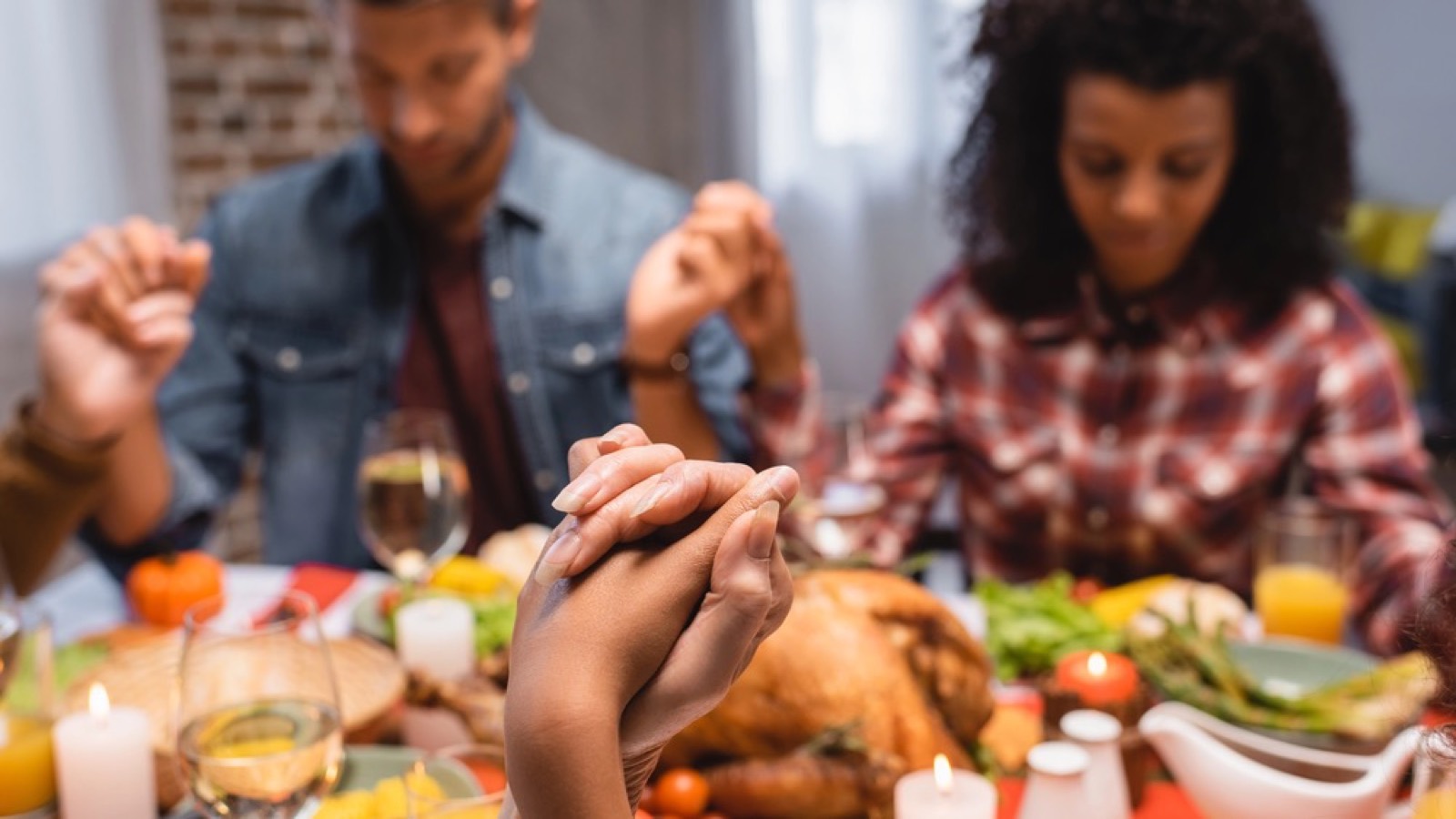
Grandma did not allow anyone to start eating until everyone was served and the cook had sat down. It was a sign of respect for the person who prepared the meal. Children learned patience at the table.
Today, many families eat in a more casual way. People sometimes start eating as soon as their plates are full. But waiting is still a courteous gesture.
This rule shows appreciation for the cook and the shared meal. It makes dinner feel like a family event. Many people still follow it at holidays and gatherings.
3. Keep Your Elbows Off the Table
“Elbows off the table” was one of Grandma’s most common reminders. It was considered rude to lean on the table while eating. Good posture was part of good manners.
Today, this rule is less strict, especially between courses. But many people still consider it polite to keep elbows off while eating. It shows attention to manners.
This rule is a reminder to be mindful at the table. It encourages good posture and respect for others. It is a small habit that makes a good impression.
4. Say Please and Thank You
Grandma insisted on please and thank you at all times. Children were reminded constantly until it became second nature. It was the foundation of good manners.
Today, these simple words are still important. They show respect and appreciation. People notice when they are missing.
Many people say that saying please and thank you is a sign of good character. It is one of the seven traits of people who say it automatically. It never goes out of style.
5. Bring Something When Visiting
Grandma never arrived at someone’s home empty-handed. She brought a pie, a casserole, flowers, or a small gift. It was a way to thank the host.
Today, many people still follow this rule. Bringing a bottle of wine, a dessert, or flowers is a thoughtful gesture. It shows appreciation for the invitation.
This rule is a simple way to show gratitude. It makes the host feel appreciated. Many experts on houseguest etiquette still recommend it.
6. Answer the Phone Politely
Grandma answered the phone with a polite greeting. She might say, “Hello, Smith residence.” Children were taught to answer politely and take messages.
Today, most people answer their cell phones with a casual “hello” or screen calls. But polite phone manners still matter. Speaking clearly and kindly makes a good impression.
Phone etiquette also includes not using phones at the dinner table or during conversations. Grandma would have disapproved of constant phone checking. Many people still find it rude.
7. Dress Appropriately for the Occasion
Grandma believed in dressing appropriately for every occasion. She wore her best clothes to church, weddings, and funerals. She expected her family to do the same.
Today, dress codes are more relaxed. But dressing appropriately still shows respect. Wearing nice clothes to a wedding or funeral honors the event.
Many people still follow this rule for special occasions. It shows that they care about the event and the people involved. It is a timeless sign of respect.
8. Respect Your Elders
Grandma taught her grandchildren to respect their elders. They were expected to greet older relatives, listen when they spoke, and use titles like “Mr.” and “Mrs.” It was a sign of good upbringing.
Today, some of these customs have relaxed. But respect for older people is still important. Listening to their stories and wisdom can be valuable.
Many younger people are learning to appreciate their elders. They spend time with grandparents and listen to their experiences. It strengthens family bonds.
9. RSVP Promptly
Grandma always responded to invitations promptly. She believed it was rude to keep a host waiting. She replied by mail or phone within a few days.
Today, many people forget to RSVP or reply at the last minute. This can make planning difficult for hosts. Responding promptly is still important.
RSVPing shows respect for the host’s time and effort. It helps them plan food, seating, and other details. It is a simple courtesy that matters.
A Note on Table Manners for Children
Grandma believed good manners started young, and the dinner table was her classroom. Children learned to put their napkins in their laps, chew with their mouths closed, and ask to be excused before leaving. These lessons were repeated until they became habits.
Parents today can do the same without being strict or stuffy. Simple routines, practiced gently at family meals, help children feel confident when they eat out or visit friends. Many adults say they are grateful now for the lessons that annoyed them as children.
Why These Rules Still Matter
Grandma’s etiquette rules were about more than manners. They were about kindness, respect, and consideration for others. These values are timeless.
Good manners help people get along and feel valued. They make social situations smoother and more pleasant. They show that you care about others.
Passing Manners On
Many people are now teaching their children and grandchildren the manners they learned from Grandma. They want to pass on these values. They see them as important life skills.
Some etiquette rules have changed, but the core values remain the same, and many old-school etiquette rules are still missed. Which of Grandma’s etiquette rules do you still follow, and which one do you wish more people practiced today?