How Grocery Shopping Has Changed Since Boomers Were Kids
For a child in the 1950s or 1960s, a trip to the grocery store with Mom was an event. The store was smaller, the aisles were narrower, and the clerk at the register usually knew the family by name. Children often rode in the cart, hoping for a piece of candy at checkout.
Today’s grocery shopping looks very different. Superstores stretch over acres, self-checkout machines beep, and many families order their groceries online without ever setting foot inside. Prices, products, and habits have changed dramatically in just a few generations.
For boomers, the contrast can be striking. Here is how grocery shopping has changed since they were kids, and what many of them say they miss most.
The Neighborhood Store Was the Center of Town
In the 1950s, many families shopped at small neighborhood markets or the local grocery downtown. Some still visited separate shops for meat, bread, and produce. The butcher, baker, and grocer were often familiar faces who knew what each family liked.
Supermarket chains were growing quickly, but they were much smaller than today’s stores. A typical market might carry a few thousand products. Modern supermarkets often stock tens of thousands of items.
Customers Paid With Cash or Credit at the Counter
Most people paid for groceries with cash, and some local stores allowed trusted families to run a tab. Mom might sign a slip at the counter and settle up at the end of the week or month. This kind of trust was common in small towns.
Credit cards were rare at grocery stores until much later. Today, shoppers pay with cards, phones, or even watches. Many boomers still remember when people paid for everything with cash.
Green Stamps and Coupons
S&H Green Stamps were a big part of grocery shopping for millions of families. Stores handed out stamps with purchases, and families pasted them into booklets. Filled books could be traded for toasters, lamps, and other household goods.
Coupons clipped from newspapers and magazines were another way to save. Many mothers sat at the kitchen table on Sunday, cutting out coupons for the week ahead. Today, digital coupons and loyalty apps have taken their place, though they remain one of the easiest ways to save on a weekly grocery bill.
Fewer Choices, More Simplicity
The grocery store of the 1950s offered far fewer choices. There might be one or two brands of cereal, ketchup, or mustard. Fresh produce was mostly seasonal, so strawberries in winter were almost unheard of.
Modern stores offer an overwhelming variety. Shoppers can choose from dozens of cereals, organic options, and international foods. Fresh fruit is available year-round, shipped from around the world.
Prices Were Lower, but So Were Wages
Many boomers remember a loaf of bread costing a quarter or less and a gallon of milk under a dollar. Those prices sound unbelievable today. But wages were much lower, too, so families spent a larger share of their income on food.
The BLS inflation calculator shows how much a dollar from the past would be worth today. Even so, many people feel that groceries take a bigger bite out of their budgets now. Rising grocery bills remain a common worry in 2026.
Baggers Carried Groceries to the Car
In many stores, a young bag boy packed groceries into paper sacks and carried them to the car. This was considered part of good service. Some stores even delivered groceries to homes.
Today, most shoppers bag their own groceries, often in reusable bags. Carry-out service is rare in many areas. Grocery delivery has returned, but now it is ordered through apps.
Milk and Bread Came to the Door
In the 1950s and 1960s, many families did not need to buy milk at the store. The milkman delivered fresh bottles to the doorstep several times a week. Bread trucks and egg delivery were also common in some areas.
Home delivery faded as supermarkets grew and refrigerators improved. Food Dive has noted that milk delivery has seen a small comeback in recent years. Still, it is far from the norm.
Shopping Lists Were Handwritten
Mothers wrote shopping lists on scraps of paper or the backs of envelopes. They planned meals for the week and bought only what was needed. Impulse buying was less common because money was tight.
Today, many people use apps to make shopping lists or order directly. But some people still prefer paper lists, a habit that reveals certain personality traits. Many say it helps them stick to their budgets.
Stores Closed on Sundays
In many towns, grocery stores were closed on Sundays, and some closed early on Wednesdays or Saturdays as well. Families had to plan ahead, because there was no running out for a forgotten ingredient on the weekend. Local laws, sometimes called blue laws, limited what could be sold on Sundays in many states.
Today, many supermarkets are open late into the night, and some never close at all. Shopping has become something people fit around busy schedules at any hour. Holidays are among the few times stores still close, and lists of stores closed on Thanksgiving remain popular reading.
Meat Cut to Order
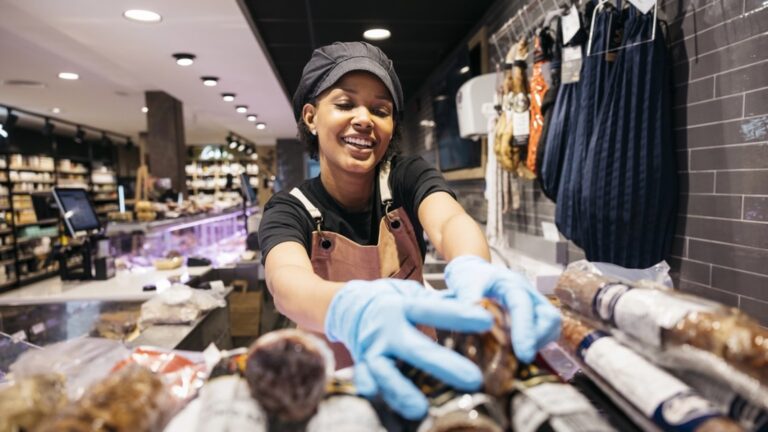
Behind the meat counter, a butcher in a white apron cut steaks, chops, and roasts to order. Customers could ask for a particular thickness or a special cut for Sunday dinner. The butcher often offered advice on how to cook it.
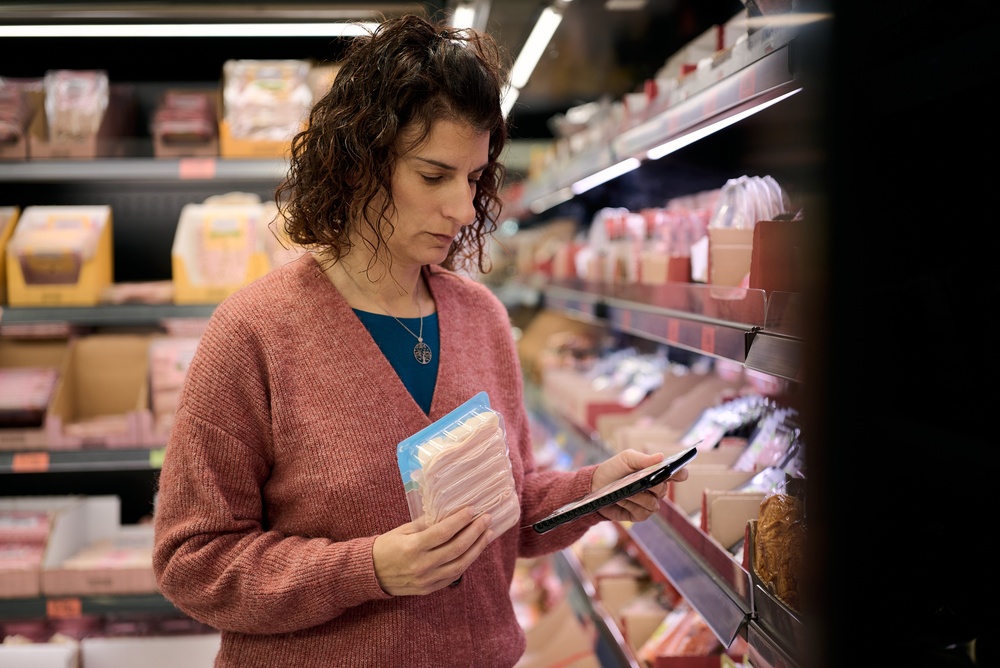
Most meat is now cut and packaged before it reaches the store, then stacked in refrigerated cases. Some supermarkets still have a full-service counter, but many have scaled back. For boomers who grew up chatting with the butcher, the change is noticeable.
Self-Checkout and Online Shopping
The biggest change in recent years is technology. Self-checkout machines allow shoppers to scan and pay without a cashier. Online grocery ordering and curbside pickup have become common, especially since the pandemic.
Many boomers have mixed feelings about these changes. They appreciate the convenience, but they miss the human connection. Talking with a cashier was once part of the experience.
What Boomers Miss Most
When asked what they miss about old-fashioned grocery shopping, many boomers mention friendly service and simplicity. They remember a store where people knew their names and helped them find what they needed. They also miss the sense of community.
Others miss specific products that have disappeared from shelves. Some miss the excitement of filling a Green Stamps book. Many simply miss a time when shopping felt slower and more personal.
The Future of Grocery Shopping
Grocery shopping will likely continue to change. Technology, delivery services, and new store formats will shape how people buy food. Some stores are even experimenting with checkout-free shopping.
But some old-fashioned values may return. Local markets and farm stands are popular again, and many people want a more personal experience. How has grocery shopping changed for you, and what do you miss most about the stores of your childhood?