7 Old-School Military Foods We Still Eat Today
A spoonful of instant coffee, a can of spaghetti and meatballs, and a handful of M&M’s hardly sound like military supplies. Yet each has a chapter in the history of feeding American troops. The same qualities that make these foods handy at home helped them earn a place in wartime supply shipments. They traveled well, could sit in storage, and took little effort to serve.
Some were already on sale when military buyers started ordering them. Others found an early audience aboard military aircraft or benefited from research into keeping food usable for longer. Their stories explain how the practical problem of feeding people far from a kitchen helped shape what Americans still pull from the cupboard, scoop from a jar, or heat in a tray.
Condensed Milk went from Army Supplies to Dessert
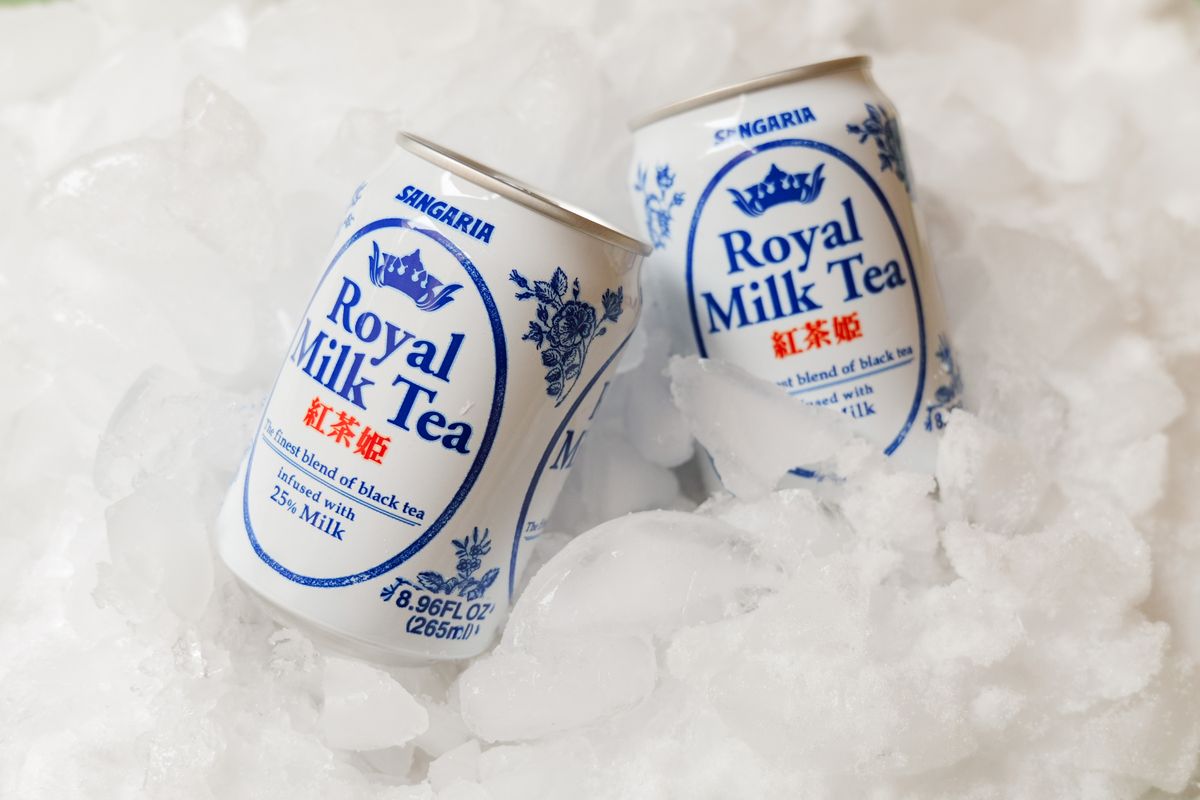
Gail Borden patented his milk-condensing process in 1856,several years before the Civil War. When the Union Army began ordering condensed milk in large quantities, it gave his business a major boost. The appeal was easy to understand. Fresh milk was difficult to transport and keep, and the condensed version could make the trip with far less dependence on refrigeration.
Soldiers who came home on leave told their families about the product, helping spread the word beyond military camps. Today, you’re more likely to reach for sweetened condensed milk when a pie recipe calls for it. The thick pour that makes it so useful in desserts is a reminder of how different it is from the fresh milk Borden was trying to preserve.
Spam found a New Home in Hawaii
Hormel introduced Spam in 1937. During World War II, the military needed meat that could survive shipping and storage, and the canned product fit the job. Wartime distribution helped introduce Spam to Hawaii, where cooks found their own uses for it.
The difference between a military supply and a favorite food is easy to see in a piece of Spam musubi. A slice of fried Spam goes with rice and a strip of seaweed, turning a pantry ingredient into something you can eat on the go. The military helped bring the can to Hawaii. Local cooks gave people a reason to keep buying it long after the war ended.
Chef Boyardee sent Spaghetti Overseas
Before the olive-green cans, there was already a civilian business selling chef Hector Boiardi’s pasta. During World War II, his company won a military contract and supplied troops with millions of cans of spaghetti and meatballs. The military packaging was plain olive green, a striking change from the labels shoppers would recognize in a grocery aisle.
What made the meal useful then is still part of its appeal. The pasta, sauce, and meatballs are all in one container. You can understand why it worked for military buyers the next time you open a can because dinner needs to come together before you’ve even thought about boiling water.
Frozen Dinners took Flight before TV Dinners Took Off
Before the supermarket freezer made dinner in a tray familiar, William Maxson developed complete frozen meals for airplanes. His divided “Sky Plates” held meat and vegetables and were heated in specially designed ovens. They were served on Naval Air Transport Service aircraft as well as on commercial flights.
Swanson later helped turn the TV dinner into a household fixture. The setting changed from an airplane cabin to the living room, but the arrangement would have looked familiar. Each part of the meal had its own spot, and the whole dinner could be heated together. Even the little wall keeping the vegetables out of the meat’s gravy had an early counterpart in those divided airline trays.
Instant Coffee made Sense Far from a Kitchen
Experiments with portable coffee in the United States go back to the Civil War. By 1938, Nestlé had launched Nescafé, a soluble coffee developed in response to Brazil’s coffee surplus. It gained popularity among American service members during World War II.
The attraction is familiar to anyone who has made a cup with nothing more than a spoon and hot water. You can leave the grinder, filter, and coffee pot behind. That was useful for troops on the move, and it still explains why a jar can earn its place in a kitchen cupboard even when there’s a coffee maker on the counter.
Powdered Cheese found Its Way into the Snack Aisle
Military food researchers had reason to care about cheese powder. In powdered form, cheese was easier to store and transport and could be added to other foods. NPR traced links between military cheese-processing research and the ingredients used in familiar civilian snacks, including Cheetos and Goldfish crackers.
Snack makers put those processing advances to work in products of their own. For the person opening a bag of chips or crackers, the memorable part is the flavor. For researchers working out how to feed people far from a kitchen, the question was how to make an ingredient hold up on the journey.
M&M’s came in Tubes before they came in Bags
Mars dates the first plain M&M’s to 1941 and says they were made for the U.S. military. The candy shell made the chocolate easier to handle, and early wartime M&M’s came in cardboard tubes. The familiar bags arrived in 1948, after the war.
Today, it’s easy to pour a handful into a bowl and give the coating no thought at all. That small detail helped chocolate travel, and it’s still the first thing you notice when you bite into one.