10 Grandma Soups That Got Families Through Hard Winters
When the snow piled up and money ran short, Grandma reached for her biggest pot. A simmering soup could turn a few cheap ingredients into supper for the whole family, with enough left over for lunch the next day. It warmed cold hands after chores, filled hungry children, and made a drafty farmhouse kitchen feel cozy.
For generations who lived through the Great Depression, wartime rationing, and lean years on the farm, soup was more than comfort food. It was survival. A ham bone, a bag of dried beans, or a handful of root vegetables from the cellar could stretch for days.
Many of those soups are still beloved today, though some have faded from modern kitchens. Here are ten soups Grandma made that got families through hard winters, and why they are still worth making.
1. Ham and Bean Soup
Few soups were as dependable as ham and bean. After a holiday ham was eaten, Grandma saved the bone and simmered it all day with dried navy or great northern beans, onions, and a bay leaf. The meat that clung to the bone fell into the broth, and the beans turned thick and creamy.
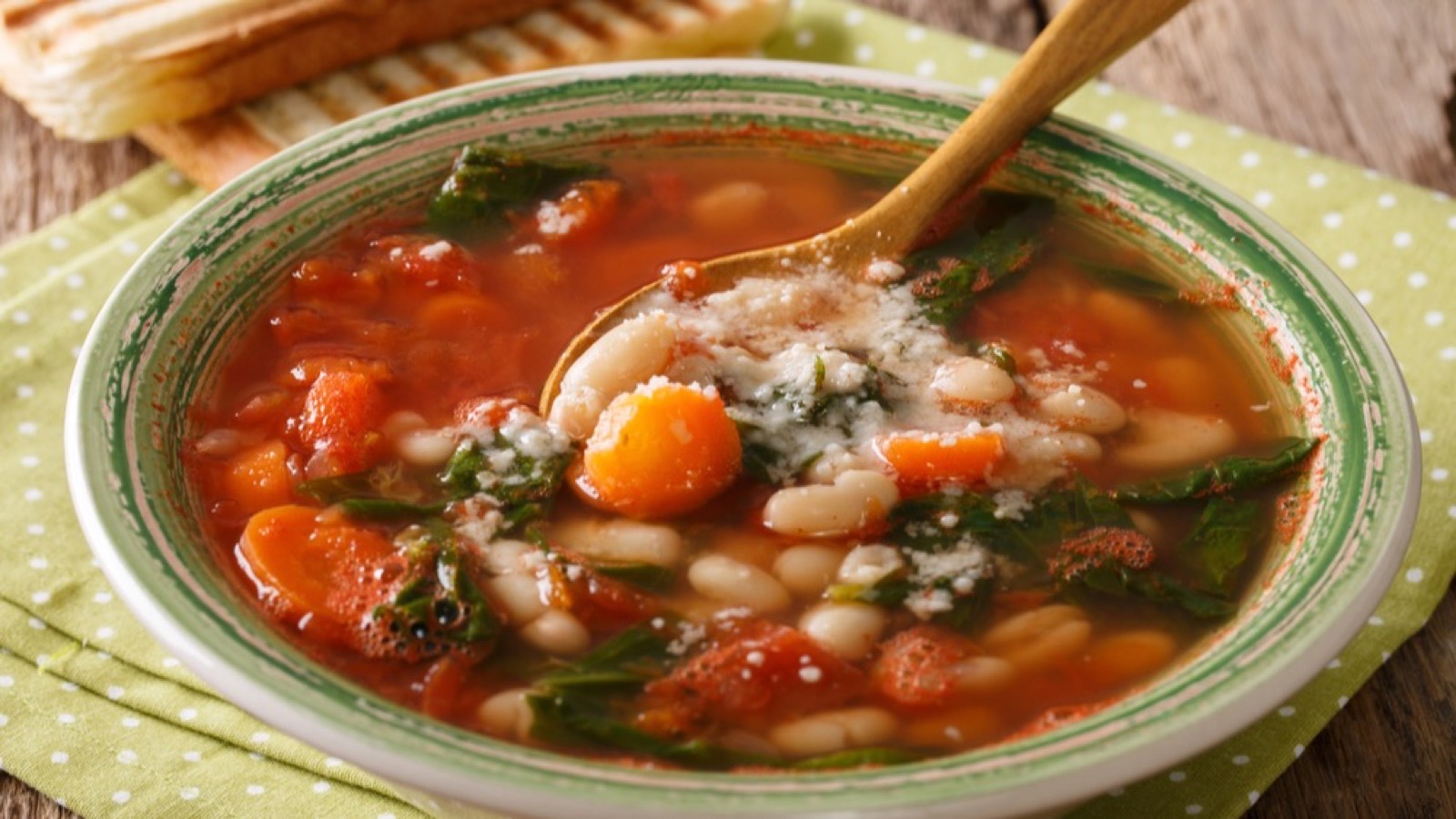
Dried beans were cheap, stored for months, and packed with protein. A single ham bone flavored an entire pot. Served with cornbread, it was a complete meal for pennies.
Navy bean soup has been served in the U.S. Senate dining room for more than a century, a tradition the U.S. Senate still describes on its website. Grandma’s version was just as hearty.
2. Potato Soup
Potato soup was a winter staple in farm and working-class homes. Grandma diced potatoes and onions, simmered them in water or milk, and thickened the soup with a little flour and butter. Some versions included celery, carrots, or a slice of bacon.

Potatoes kept well in a cool cellar through the winter, so they were almost always on hand. They were cheap, filling, and could feed a crowd. Many families ate potato soup several times a week during hard times.
The soup was often served with crackers or homemade bread. For many boomers, the smell of potato soup still brings back memories of snow days at home.
3. Vegetable Beef Soup
Vegetable beef soup made use of whatever Grandma had on hand. A few pieces of soup bone or stew meat simmered with carrots, potatoes, onions, cabbage, and home-canned tomatoes. Leftover vegetables from the week often went in too.
The soup changed every time it was made, depending on what was in the cellar and the pantry. Some families called it “clean out the refrigerator soup.” It was a smart way to waste nothing.
A big pot of vegetable beef soup could last several days. Many cooks say it tasted even better the second day, once the flavors had time to blend.
4. Chicken and Dumplings
Chicken and dumplings was a Sunday favorite in many Southern and Midwestern homes. Grandma stewed a whole chicken, often an older hen that no longer laid eggs, until the meat was tender. Then she dropped spoonfuls of biscuit dough or rolled strips of dough into the simmering broth.
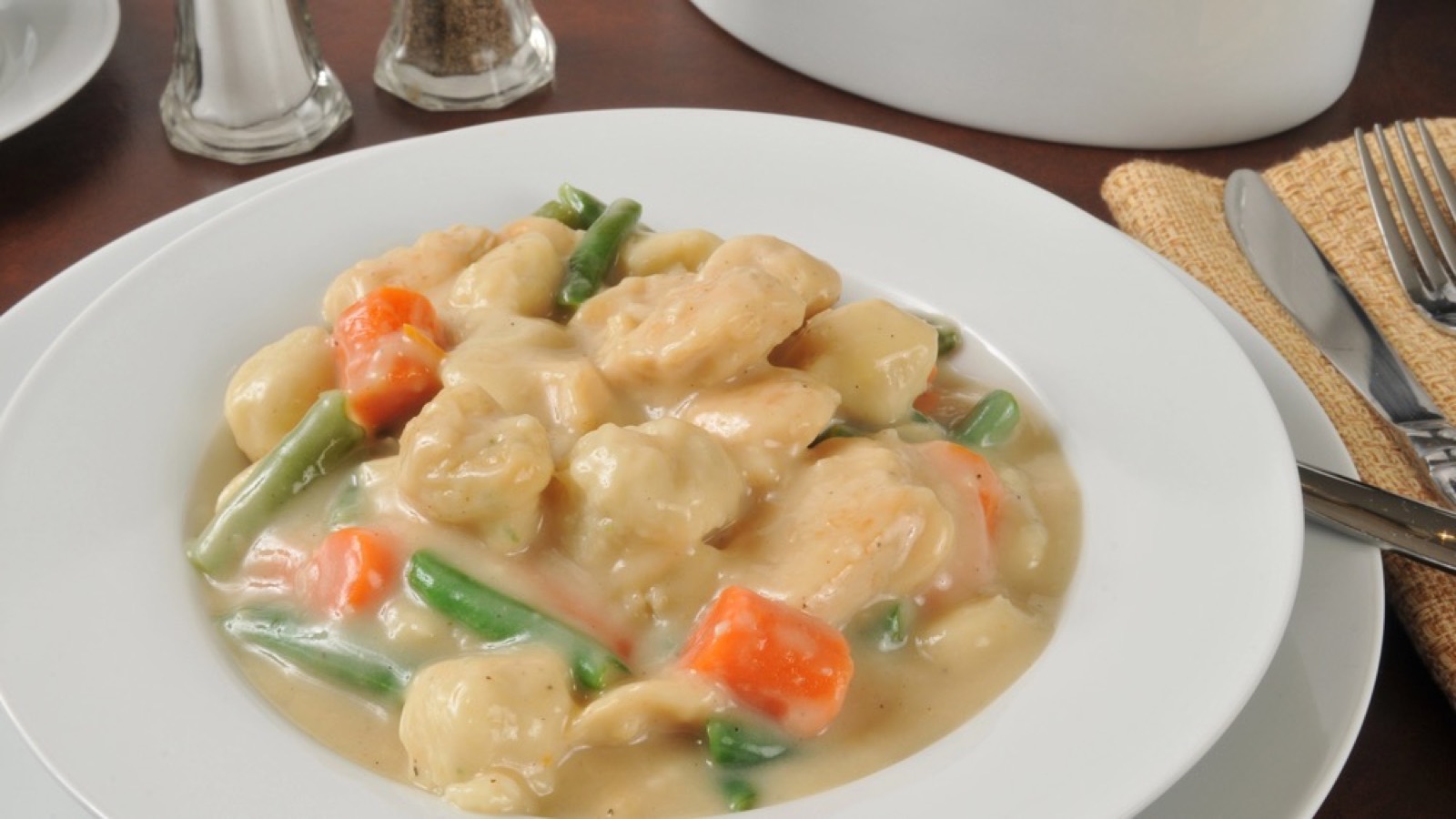
The dumplings soaked up the rich broth and turned soft and fluffy. One chicken could feed a large family, especially with plenty of dumplings to fill everyone up.
This dish remains a beloved comfort food. Many families still argue over whether dumplings should be fluffy drop biscuits or flat rolled noodles.
5. Split Pea Soup
Split pea soup was another way to use a ham bone or a bit of salt pork. Dried split peas cooked down into a thick, green soup with onions, carrots, and celery. Grandma often let it simmer on the back of the stove all afternoon.
Split peas were cheap, filling, and easy to store. They required no soaking, unlike many dried beans. The soup was so thick that some families joked you could stand a spoon in it.
Many younger people avoid split pea soup because of its color. But those who grew up with it often love its smoky, savory flavor.
6. Cabbage Soup
Cabbage was one of the cheapest vegetables available in winter, and it kept for weeks in a cool cellar. Grandma made cabbage soup with onions, tomatoes, potatoes, and sometimes a little sausage or ham. Families with Eastern European roots often added caraway seeds or a splash of vinegar.
Cabbage soup was humble but filling. It was especially common in immigrant communities, where it reminded families of home. During the Depression, it fed many households that could not afford meat.
Today, cabbage soup is sometimes associated with diet fads. But for Grandma, it was simply an affordable way to keep the family fed.
7. Tomato Soup From Home-Canned Tomatoes
Every summer, Grandma canned dozens of jars of tomatoes from the garden. In winter, those jars became tomato soup. She simmered the tomatoes with onion, a pinch of sugar, and a little butter, then stirred in milk or cream.
Paired with a grilled cheese sandwich, tomato soup was a favorite lunch for children. It was quick to make and used food that was already sitting on the pantry shelf.
Canned tomato soup from the grocery store eventually replaced many homemade versions. But those who remember Grandma’s say it tasted brighter and fresher. Home canning was one of many frugal habits boomers teased that now look smart.
8. Bean and Bacon Soup
When there was no ham bone, Grandma often used a few strips of bacon or a chunk of salt pork to flavor a pot of beans. Pinto beans, navy beans, or a mix of whatever was in the pantry simmered with onion and garlic until soft. The bacon fat gave the soup a smoky richness.
This soup was a standby in many rural homes. Beans and salt pork were cheap and stored well, and the combination provided both protein and comfort.
Many families served it with cornbread or biscuits. It was the kind of meal that kept farmers warm through long winter days.
9. Corn Chowder
Corn chowder was common in New England and the Midwest, especially in homes that canned or dried corn from the summer harvest. Grandma simmered corn with potatoes, onions, milk, and a bit of salt pork or bacon. The result was creamy, sweet, and filling.
The dish was a way to enjoy summer’s corn during the coldest months. It was also cheap to make. Some families added a handful of crushed crackers to thicken it.
Corn chowder remains popular, but many families now use canned corn from the store. Those who remember Grandma’s say her home-preserved corn made all the difference.
10. Pennsylvania Dutch Rivel Soup
In Pennsylvania Dutch homes, Grandma made rivel soup by rubbing flour and egg together into tiny dumplings and dropping them into simmering broth. It was one of the simplest soups imaginable, made with ingredients nearly every farm kitchen had. Some families called it “poor man’s soup.”
The rivels were soft and chewy, and they turned plain broth into a filling meal. The soup was often made when someone was sick or when there was little else in the pantry.
Rivel soup is rarely made today outside of Pennsylvania Dutch communities. But it is a perfect example of how Grandma made something comforting out of almost nothing.
Why Soup Mattered So Much
For families living through hard winters, soup was the most efficient meal possible. It stretched small amounts of meat, used up leftovers, and turned cheap staples into something warm and filling. A single pot could feed a family for days.
Soup also brought families together. Everyone gathered around the table with a hot bowl, sharing bread and conversation while the wind howled outside. Those memories are part of what makes these recipes so special. Hearty bowls like these are among the poor people foods that even the wealthy eat.
Keeping the Pot Simmering
Many of Grandma’s soups are making a comeback as grocery prices rise and families look for affordable meals. They are simple to make, easy to freeze, and endlessly flexible. A pot of soup on a winter afternoon is still one of the most comforting things a home cook can make.
Which soup did your grandmother make every winter, and do you still have her recipe? Many readers say just thinking about it makes them want to put a pot on the stove.