Taxpayers Paid Nearly $15 Million for the Reflecting Pool. Then an Olympian Faced 10 Years as the Project Failed
The Justice Department’s case against David Hearn unraveled after records revealed a rushed installation, failed coating tests, material shortages and peeling documented before his arrest. Americans paid nearly $15 million for work connected to the Lincoln Memorial Reflecting Pool. The project was rushed toward a patriotic deadline, awarded without ordinary competitive bidding and plagued by technical failures.
Yet when the new coating began peeling, the government pursued a 67-year-old former Olympian who had stopped beside the pool during a bicycle ride. David Hearn faced a felony charge carrying a potential 10-year prison sentence.
Prosecutors initially accused the three-time Olympic canoeist of deliberately damaging one of the country’s most recognizable landmarks. He pleaded not guilty and maintained that he merely examined material that was already peeling.
The Justice Department has now moved to dismiss the case after receiving records that changed its understanding of the damage. A 20-page court filing describes defective installation, weather interruptions, failed sealant tests, coating shortages, blistering and widespread delamination.
The filing presents an infuriating sequence that many Americans will recognize. A government project became more expensive, the deadline remained fixed, warning signs accumulated and the finished work failed. Instead of immediately confronting those failures, authorities built a felony case around a citizen standing beside the damage.
A Nearly $15 Million Project That Started Falling Apart Almost Immediately
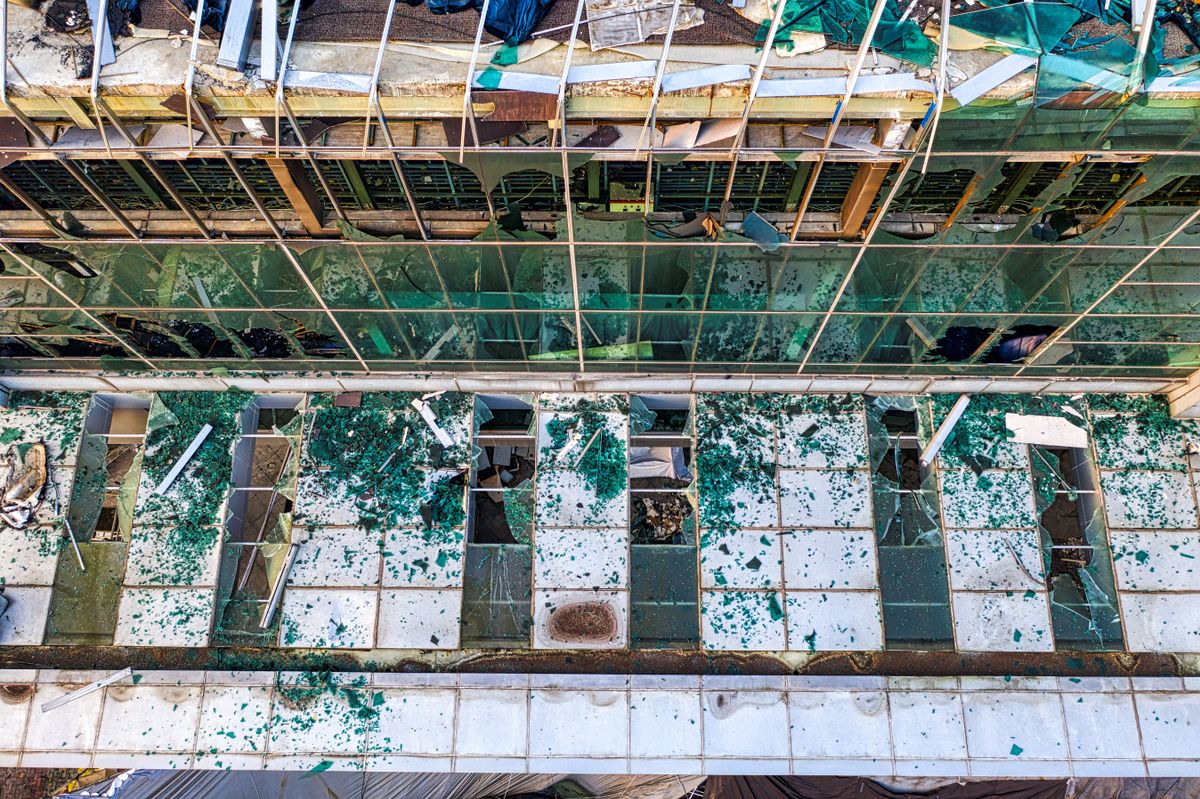
The Reflecting Pool renovation was supposed to prepare Washington for events celebrating the 250th anniversary of American independence. Federal officials treated the schedule as an urgent national priority and argued that a normal competitive procurement process would take too long.
Contracts covering resurfacing and filtration work approached $15 million, according to federal contracting records reviewed by ABC News. Atlantic Industrial Coatings received the sole-source contract to install the pool’s new lining.
For ordinary Americans, the arrangement strikes a familiar nerve. Homeowners are told to obtain several estimates before replacing a roof. Small businesses compare bids before repairing a parking lot. Families stretch every dollar because a poor contractor can consume years of savings.
The federal government, however, moved forward without its ordinary competitive process because officials wanted the pool ready for high-profile events. The ceremonial deadline became more important than the time required to test, inspect, and correct the work properly.
Installation began on May 5, 2026. Rain stopped work the next day, and additional weather disruptions continued throughout the month. A construction monitor warned Interior Department employees on May 7 that the contractor appeared significantly behind schedule. That warning did not move the deadline. It increased the pressure.
Rain, Failed Tests and Missing Materials Were Not Minor Problems
The project required multiple layers of Rhino 406 coating followed by two layers of Pipeliner 5000. Crews also needed to seal numerous expansion joints that allow the concrete floor to move as temperatures change.
These joints were critical. They required a different application process because the rigid concrete slabs expand and contract beneath the coating. A failure to prepare or seal those areas correctly could allow layers to separate.
Rain halted work again on May 10 and May 11. By May 14, crews had completed only 56 percent of the lining. On May 16, a second trial involving the expansion-joint sealant failed, forcing the project team to search for another solution.
Two days later, the contractor ran out of Rhino 406. Additional supplies had to arrive from California and British Columbia. The project was already behind schedule, the weather remained unstable, and crews temporarily lacked one of the products required to continue spraying.
More coating arrived on May 20. That same day, a quality-control inspector found blistering in finished sections of the liner. Heavy rain later forced workers to pump water out of the Reflecting Pool and mechanically dry the surface.
Persistent rainfall prevented spraying for nearly another week. On May 27, the Pipeliner 5000 application had reached approximately 81 percent completion, only one percentage point higher than the level recorded a week earlier. These were not hidden problems discovered months after completion. They were active construction failures unfolding while officials raced toward a public deadline.
The Calendar Won and Quality Lost
Work accelerated when the weather improved. The Pipeliner 5000 application was completed by May 31, while crews continued sealing and caulking around the pool’s perimeter. The government’s filing says the bulk of the work was finished by June 7.
Water began flowing back into the pool, and a final inspection took place June 9. Crews then removed their equipment ahead of a UFC event scheduled for June 14 on the White House grounds.
That detail captures the distorted priorities surrounding the project. A coating system covering approximately 340,000 square feet had experienced rain delays, product shortages, blistering and repeated sealant problems. Yet the calendar demanded a finished appearance.
Americans see this pattern in failing bridges, broken municipal water systems, and construction projects that open with ribbon-cutting ceremonies before the defects become impossible to hide. The public receives photographs, speeches and promises. The repair bills arrive later. At the Reflecting Pool, “later” arrived within days.
The Government Knew the Coating Was Peeling Before Hearn Arrived
On June 11, just two days after the final inspection, a National Park Service engineer was notified that the new coating had started peeling. The engineer examined the problem and relayed the contractor’s explanation that overspray had created a vulnerable area. Although the first visible section was small, the engineer warned that a strip extending one to two feet around the perimeter could be susceptible to peeling.
That perimeter included the area Hearn would later touch. The engineer also noted that only a thin upper layer had separated and that the peeling did not affect the strength of the underlying liner. The loose material reportedly did not float and could be removed during ordinary cleaning.
The warning existed eight days before Hearn’s detention. The fence surrounding the worksite was removed on the same day the peeling was documented. This timeline is devastating to the original theory of the case.
Authorities later portrayed Hearn’s contact with the material as deliberate destruction, but government personnel already knew the coating near the perimeter was vulnerable. The product was separating before Hearn rode past the pool. The government’s own records now make that point unavoidable.
A Bicycle Ride Turned Into a Five-Hour Detention
Hearn told The Associated Press that he visited the Reflecting Pool during a bicycle ride on June 19. He noticed loose material moving in the water and reached down to examine it. A park employee told him to stop. Hearn said he complied and returned to his bicycle. National Guard troops and U.S. Park Police then detained him for approximately five hours.
Government witnesses described the interaction differently. They alleged that Hearn pulled forcefully on the coating and briefly continued after a worker told him to stop. That disagreement could have been examined at trial. However, the more damaging problem for prosecutors involved causation and financial value.
To sustain the felony charge, the government needed credible evidence that Hearn caused at least $1,000 in new damage. It could not simply prove that he touched material near the water. Prosecutors needed to separate his alleged actions from the coating failures that already existed.
That task became increasingly difficult as installation records surfaced. The government would have had to persuade a jury that a loose section of defective coating carried more than $1,000 in additional value after engineers had already identified the surrounding material as vulnerable.
Officials Could Not See the Full Damage, but They Charged Him Anyway
U.S. Attorney Jeanine Pirro and senior prosecutors visited the Reflecting Pool on July 1. The pool remained filled with water, obscuring most of its enormous floor. Interior Department employees directed prosecutors toward the area associated with Hearn. According to the dismissal filing, they did not explain that installation failures may have caused much of the pool’s deteriorating condition.
A National Park Service maintenance employee estimated that the additional damage allegedly associated with Hearn exceeded $1,000. Prosecutors relied on that figure when they presented the case to a grand jury. The grand jury returned an indictment on July 2. The Justice Department’s public announcement framed the incident as a deliberate attack on America’s shared national heritage.
That language carried enormous weight. Hearn was no longer simply a cyclist who had touched loose coating. In the government’s telling, he had become a suspected vandal who had intentionally damaged a treasured monument.
The Justice Department included the standard reminder that an indictment is only an allegation and that every defendant remains presumed innocent. But public accusations do not wait for trials. Search results, headlines and reputational damage spread immediately.
The Drained Pool Revealed What the Water Had Hidden
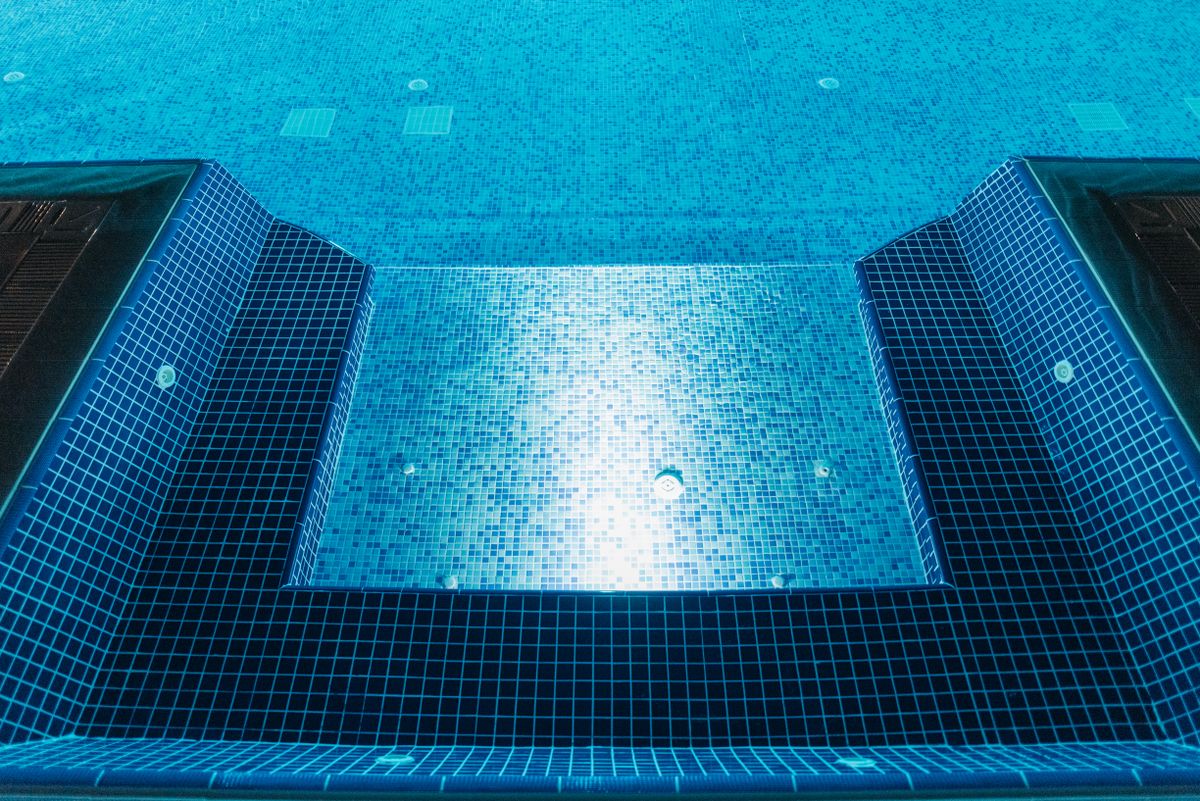
The case began to unravel when the pool was emptied. On July 17, a defense expert inspected the drained structure. Prosecutors returned to the location and observed extensive damage across areas they had not been able to examine while the pool was full.
The deterioration was not limited to the section associated with Hearn. Coating failures appeared across the pool, including locations far from its perimeter. Prosecutors demanded complete installation records from the Interior Department. They subsequently received approximately 695 megabytes of documents describing construction delays, material failures, and widespread peeling.
The contrast was extraordinary. Before the indictment, prosecutors said they had received limited reports suggesting that vandals caused nearly all the damage. After the indictment, hundreds of megabytes of project records revealed a troubled installation.
The Justice Department says it contacted Interior Department personnel dozens of times while seeking information. Its filing states that the additional material arrived gradually and that prosecutors would not have pursued the indictment if those records had been supplied earlier.
Americans who have fought an insurance company, disputed a government notice, or tried to correct a billing error understand the imbalance. Institutions keep the records, control the process and set the deadlines. The individual must somehow prove that the institution’s version of events is wrong. Hearn faced that imbalance with a felony hanging over him.
Contractor Inspection Found Widespread Delamination
Interior Department and contractor personnel inspected the drained pool on July 20. Their findings identified overspray, poor bonding, and delamination in several locations. Delamination occurs when layers of a coating separate instead of remaining securely bonded. It is an installation or material failure, not proof that someone deliberately tore the surface.
Photographs showed peeling around the perimeter and elsewhere. The damage extended into the middle of the Reflecting Pool, an area that a visitor standing at the edge could not easily reach. That physical pattern destroyed the simplicity of the vandalism narrative. One person could not reasonably explain coating failures distributed across a 340,000-square-foot structure.
The inspection findings also supported the warning recorded on June 11. The coating had begun peeling soon after completion, and the vulnerable material covered more than the isolated section initially discussed. What had been publicly treated as criminal destruction increasingly resembled a construction failure hidden beneath water.
Prosecutors Say the Indictment Would Never Have Been Sought
The Justice Department’s dismissal motion is unusually direct. It says the Interior Department provided incomplete information at the beginning of the investigation and that the new records severely undermined the indictment’s evidentiary foundation.
Prosecutors also acknowledged their legal duty to provide potentially exculpatory information to the defense. They said the delayed and incomplete production interfered with their ability to fulfill those obligations. The government concluded that the damage could not reliably be attributed to vandalism. Establishing that conclusion beyond a reasonable doubt would be even more difficult.
The motion asks the D.C. Superior Court to dismiss the indictment without prejudice. That technically allows prosecutors to return if sufficient new evidence emerges, but the government’s own account leaves little support for continuing the existing case.
For Hearn, the reversal prevents a scheduled September trial from proceeding once the dismissal is granted. It does not return the hours he spent detained, reimburse his legal costs, or erase headlines that introduced him to millions of readers as an accused felon.
From Olympic Competitor to Alleged Monument Vandal
Hearn represented the United States in canoe slalom at three Summer Olympics. His best Olympic finish was ninth in the men’s C1 competition at the 1996 Atlanta Games, according to Team USA.
He also won individual world championships and built a respected career in American whitewater canoeing. For decades, his name was associated with international competition, endurance, and service to the sport. One government announcement threatened to replace that history.
Hearn’s lawyers said the case should never have been filed. They accused authorities of acting before investigating fully and argued that dismissing the indictment does not erase the consequences.
Their anger is understandable. A citizen should not need a drained national monument, a defense expert and hundreds of megabytes of belated government records to prove that a defective product was already defective.
Taxpayers Financed the Project and the Prosecution
The Reflecting Pool controversy carries two potential public costs. Americans financed the rushed renovation, and they also financed the investigation and prosecution that followed. Federal employees spent time gathering reports, conducting interviews, visiting the site, reviewing footage, preparing grand jury evidence, and litigating the case.
Defense lawyers and experts then had to examine information that should have been carefully reviewed before an indictment. Meanwhile, the government still had to address the failed coating. The public therefore paid for installation, investigation, prosecution, and additional repair work while the agencies involved argued over who had supplied incomplete information.
No private homeowner could operate this way without facing financial ruin. A family that paid millions for defective work would immediately pursue the contractor and examine the project manager’s decisions. It would not first threaten a passerby with a decade in prison because he touched a loose section.
The comparison is uncomfortable because it reveals how differently consequences operate. Government agencies can blame communication failures. Contractors can discuss remediation. Prosecutors can dismiss a case. The accused citizen carries his name through every stage.
The Reflecting Pool Now Mirrors a Deeper Government Failure
The damaged coating can be stripped, reapplied, and repaired. Restoring public confidence will be harder. We are left with a nearly $15 million project pushed through under extraordinary urgency, technical warnings recorded before completion, and deterioration visible within days. We are also left with a felony indictment obtained before prosecutors possessed the full construction record.
The case exposes a government culture in which deadlines can overpower quality, public messaging can outrun evidence and an individual can become the focus while institutional failures remain submerged.
The Justice Department’s reversal is necessary, but it is not sufficient. Americans deserve to know why the project proceeded despite repeated setbacks, why critical records reached prosecutors only after the indictment, and who will be accountable for the defective work.
Hearn’s case should disturb anyone who believes that the government must investigate first and accuse second. A loose piece of coating became the basis for a felony prosecution while the larger failure stretched across the bottom of the pool.
Once the water was drained, the truth became harder to avoid. The most serious damage was not caused by a cyclist examining a peeling surface. It came from a rushed project, fractured communication and a system willing to place one man’s freedom at risk before it fully examined its own work.