9 Old-School Money-Saving Kitchen Tricks Boomers Still Swear By
Boomers grew up in kitchens run by parents and grandparents who remembered the Great Depression and wartime rationing. Those older generations knew how to make a dollar stretch, and they passed their habits down to their children. Many boomers learned to save leftovers, reuse containers, and cook from scratch long before anyone called it “budget living.”
For years, some of those habits were seen as old-fashioned or even a little embarrassing. Younger people teased their parents for washing plastic bags or saving bacon grease in a coffee can. But as grocery prices have climbed in recent years, many of those same tricks are suddenly looking smart again.
Many boomers never stopped using them. Here are nine old-school money-saving kitchen tricks that boomers still swear by, and why they still make sense today.
1. Plan Meals Around the Weekly Sale Flyer
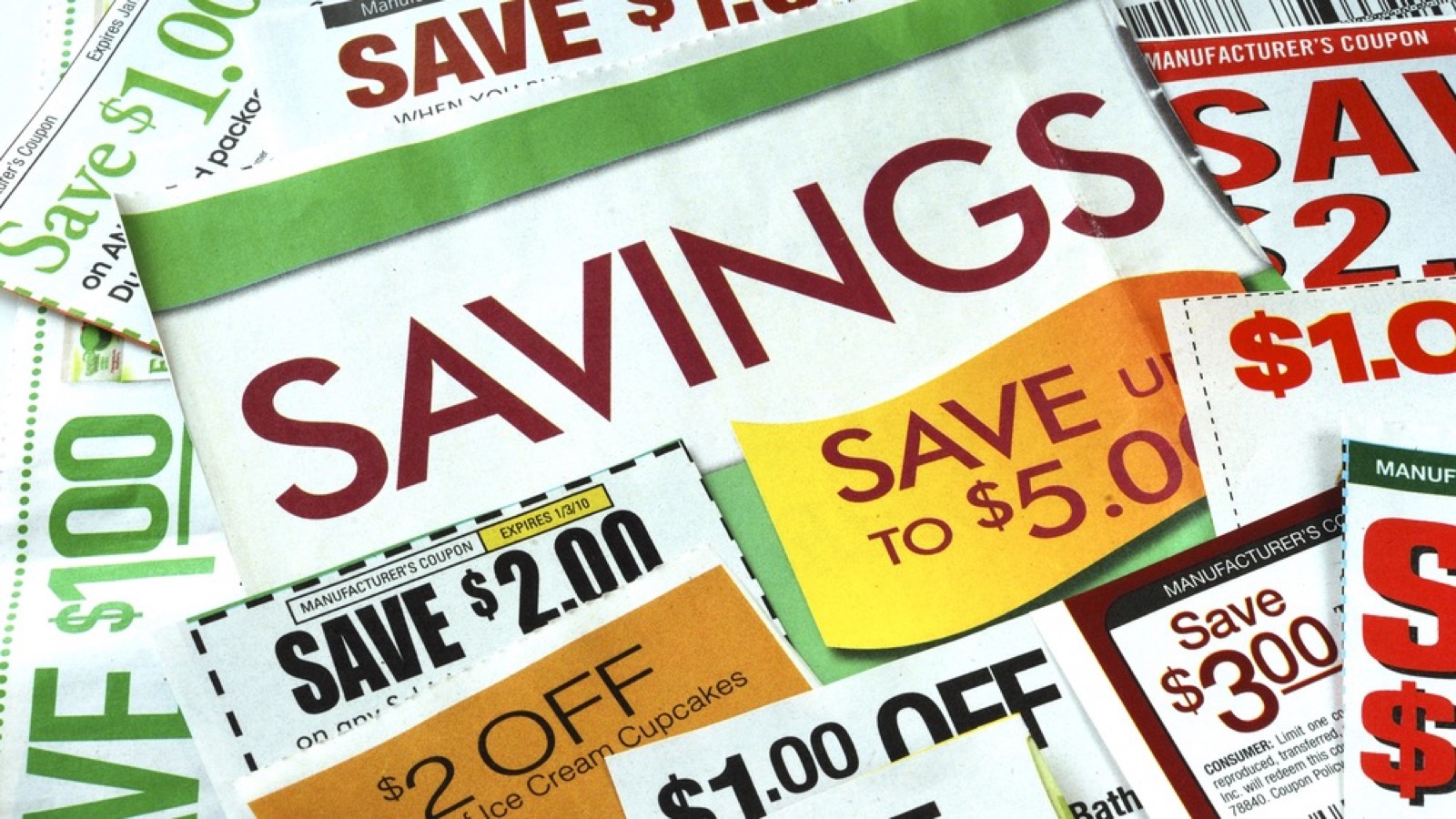
Before grocery apps and digital coupons, many families planned their meals around the newspaper sale flyer. Mothers circled the best deals on meat, produce, and pantry staples, then built the week’s menu around what was cheapest.
This habit is still one of the most effective ways to save money. Shopping sales and planning meals ahead of time can cut down on impulse buys and wasted food. Many boomers still sit down with the flyer every week, though now it might be on a phone or tablet.
The key is flexibility. If chicken is on sale, it becomes the star of the week. If ground beef is cheap, it is time for meatloaf and spaghetti.
2. Cook From Scratch
Boomers grew up eating meals made from scratch. Mothers made pancakes from flour and eggs, soups from leftover bones, and cakes without a box mix. Convenience foods existed, but they were often seen as a splurge.
Cooking from scratch is usually cheaper than buying pre-made or packaged food. A bag of flour, a carton of eggs, and a few basic ingredients can produce many meals for far less than ready-made versions. It also gives cooks more control over salt, sugar, and other ingredients.
Many boomers still prefer homemade food, both for the flavor and the savings. It is one of the old-school money habits boomers used that still pays off today.
3. Save and Use Leftovers
In many boomer households, nothing went to waste. Leftover roast became sandwiches or hash, extra rice turned into fried rice or pudding, and stale bread became bread crumbs or French toast. Leftovers were not a sign of a failed meal, but a plan for the next one.
Food waste is a big expense for many families. The USDA estimates that 30 to 40 percent of the food supply in the United States goes to waste. Reusing leftovers is one of the easiest ways to save money.
Many boomers keep a “leftover night” each week, when the family eats whatever is in the refrigerator. It clears out the fridge and saves a trip to the store.
4. Buy in Bulk and Store It Right
Boomers learned from their parents to stock up when prices were low. Big bags of flour, rice, beans, and sugar were stored in canisters or the pantry. Meat bought on sale went straight into the freezer.
Buying in bulk can save a lot of money, but only if the food is stored properly and used before it spoils. Many boomers keep their pantries organized, rotating older items to the front so nothing goes to waste.
This habit was especially important for big families. Today, warehouse stores like Costco and Sam’s Club make it easier than ever to buy in bulk.
5. Grow a Vegetable Garden
Many boomers grew up with a backyard vegetable garden. Families planted tomatoes, beans, cucumbers, and squash, and children helped pull weeds and pick the harvest. Some grandparents grew enough to can or freeze for winter.
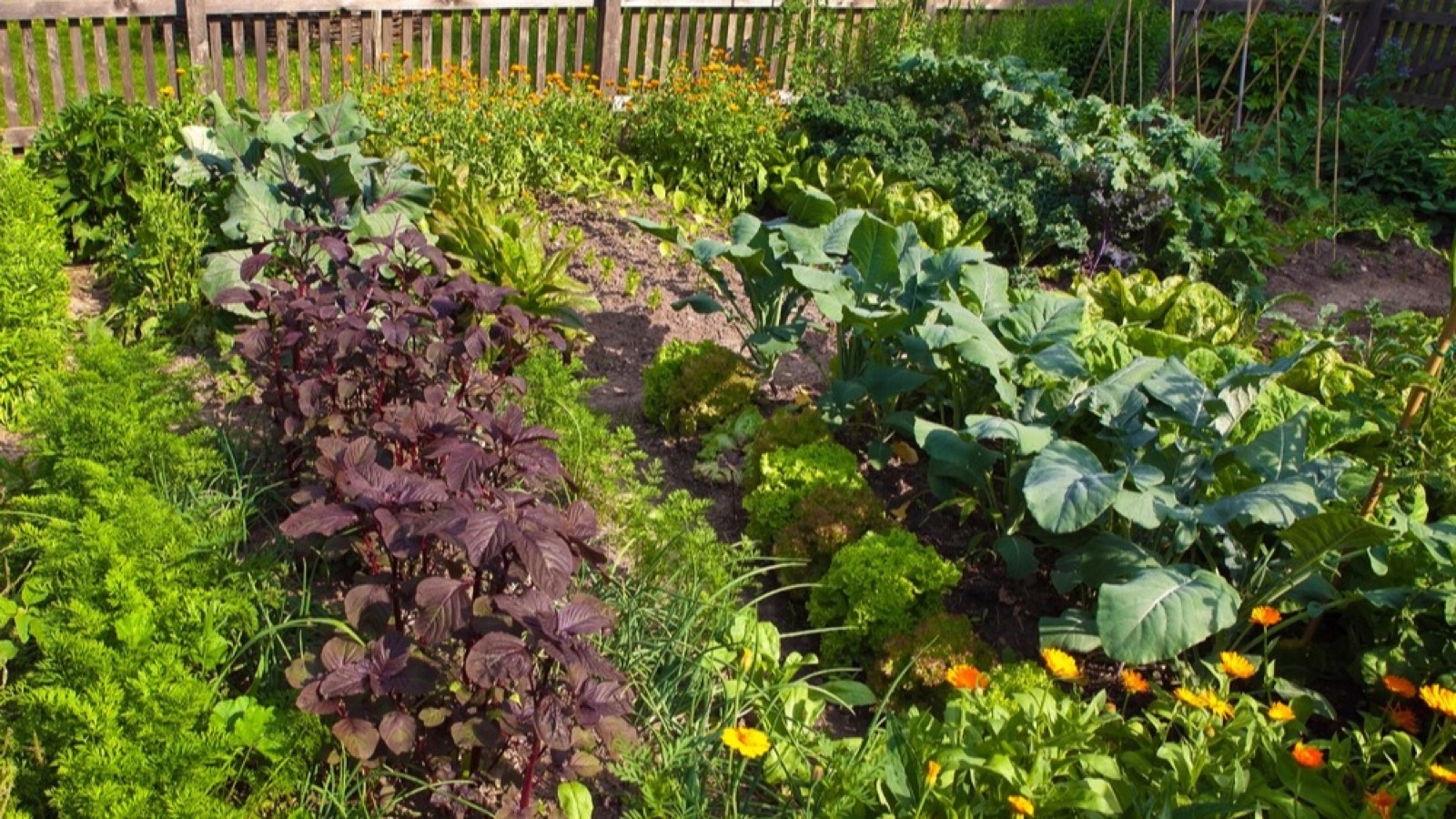
A garden can save money on fresh produce, especially in summer. Even a few tomato plants or a small herb garden can make a difference. Many boomers say homegrown vegetables taste better than anything from the store.
Gardening has made a big comeback in recent years. Many younger people are discovering what their grandparents knew all along.
6. Save Bacon Grease and Drippings
Many boomers remember a can or jar of bacon grease sitting on the back of the stove. Their mothers used it to fry eggs, season vegetables, and make cornbread. The drippings from roasts became gravy.
This habit saves money on cooking oil and adds rich flavor to food. It is also a way to use every part of the food you buy. Many cooks still keep a jar of bacon grease in the refrigerator for frying. It shows up on many lists of clever frugal living tips, and it is surprisingly popular with younger cooks who love its flavor.
7. Stretch Meat With Fillers
When meat was expensive, mothers found ways to make it go further. They added bread crumbs, oatmeal, or crackers to meatloaf and meatballs. They mixed ground beef with beans for chili or with rice for stuffed peppers. Casseroles stretched a small amount of meat with noodles and vegetables.
These tricks are still useful today, especially with beef prices high. Adding beans, lentils, or vegetables to meat dishes can make a pound of ground beef feed more people while adding fiber and nutrients.
Many boomers say their families never noticed the difference. The meals were filling, flavorful, and much cheaper.
8. Reuse Containers and Jars
Boomers grew up in homes where glass jars, margarine tubs, and coffee cans were washed and reused. Jars held leftovers, buttons, and nails. Margarine tubs became storage containers for everything from soup to sewing supplies.
This habit saved money on storage containers and reduced waste. Today, many people are embracing reuse to cut down on plastic and protect the environment. Glass jars are especially popular for storing pantry staples.
Many grandchildren have opened a margarine tub at Grandma’s house expecting butter and found leftover soup instead. It is a classic boomer experience.
9. Make Coffee at Home
For boomers, coffee was made at home in a percolator or a drip coffee maker. Buying a cup of coffee every day at a café would have seemed like an extravagance. Many still prefer their homemade brew.
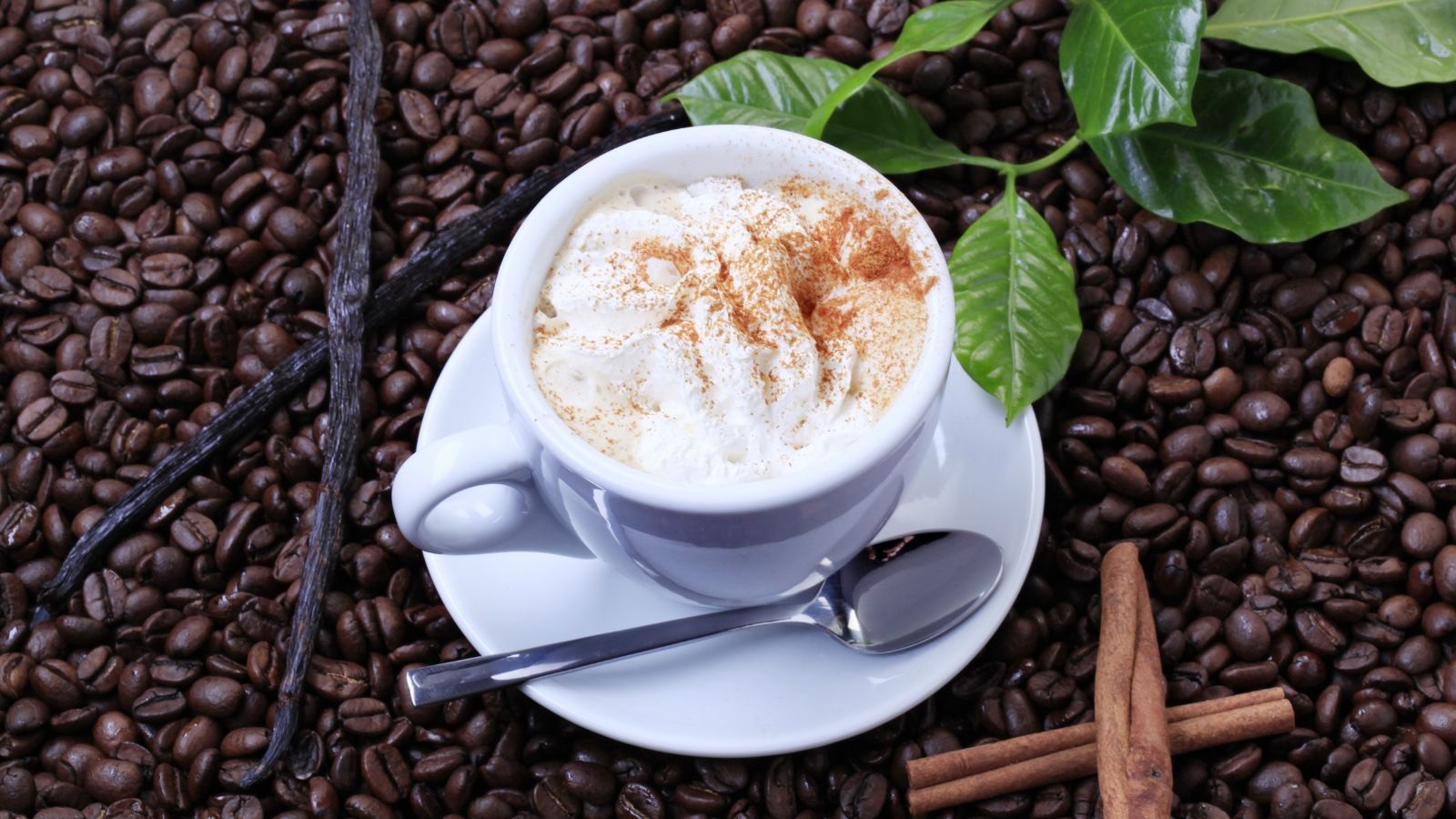
Making coffee at home is one of the simplest ways to save money. A daily café drink can add up to hundreds or even thousands of dollars a year. A bag of coffee from the grocery store costs a fraction of that. It is one of many wallet-friendly life hacks that actually make a difference.
Many boomers still enjoy their morning cup at the kitchen table, just as their parents did. It is a small daily ritual that saves money and brings comfort.
Why These Tricks Still Work
These money-saving habits work because they focus on the basics. Cooking at home, avoiding waste, and buying smart are simple ideas that never go out of style. They do not require special tools or apps, just a little planning and effort.
Many of these habits also have other benefits. They can lead to healthier meals, less waste, and a stronger connection to family traditions. They help people feel more in control of their budgets.
Passing the Lessons On
Many boomers are now passing these tricks on to their children and grandchildren. Younger generations who once rolled their eyes at saving jars and bacon grease are starting to see the value. In a time of rising prices, the old ways can make a real difference.
Which money-saving kitchen trick did you learn from your parents or grandparents, and do you still use it today? Many readers say their margarine tubs have never held margarine.