8 Famous American Foods With Surprisingly Dark Origins
Some of the most familiar foods in the American pantry have stories that would surprise the people who eat them every day. A box of breakfast cereal, a bottle of soda, or a sleeve of crackers seems completely ordinary. But many of these products were created by eccentric reformers, sold as medicine, or born in circumstances that their makers would rather forget.
In the late 1800s and early 1900s, food in America was largely unregulated. Companies could put almost anything into their products and make almost any claim on the label. Health crusaders promoted strange diets, and soda fountains sold drinks with ingredients that would be illegal today.
Many of these foods eventually became beloved classics, and their origins faded from memory. Here are eight famous American foods with surprisingly dark or strange beginnings, and how they became the products we know today.
1. Graham Crackers
Graham crackers are named after Sylvester Graham, a Presbyterian minister and health reformer in the 1830s. Graham preached that a bland, vegetarian diet would improve health and morality. He believed that spicy food, meat, and rich foods stirred up unhealthy desires and led to sinful behavior.
Graham promoted coarse, whole wheat flour, which became known as graham flour. His followers, called Grahamites, ate simple bread and crackers made from it. Graham believed this diet would help people control their urges and live more virtuous lives.
The graham crackers sold today, often sweetened with sugar and honey, would likely horrify Graham. They have become a sweet treat used for s’mores and pie crusts, far from the plain health food he imagined.
2. Corn Flakes
Corn Flakes were developed in the 1890s by John Harvey Kellogg and his brother Will Keith Kellogg at the Battle Creek Sanitarium in Michigan. John Harvey Kellogg was a doctor and health reformer who, like Graham, believed that bland food could reduce sexual desire and improve moral character.
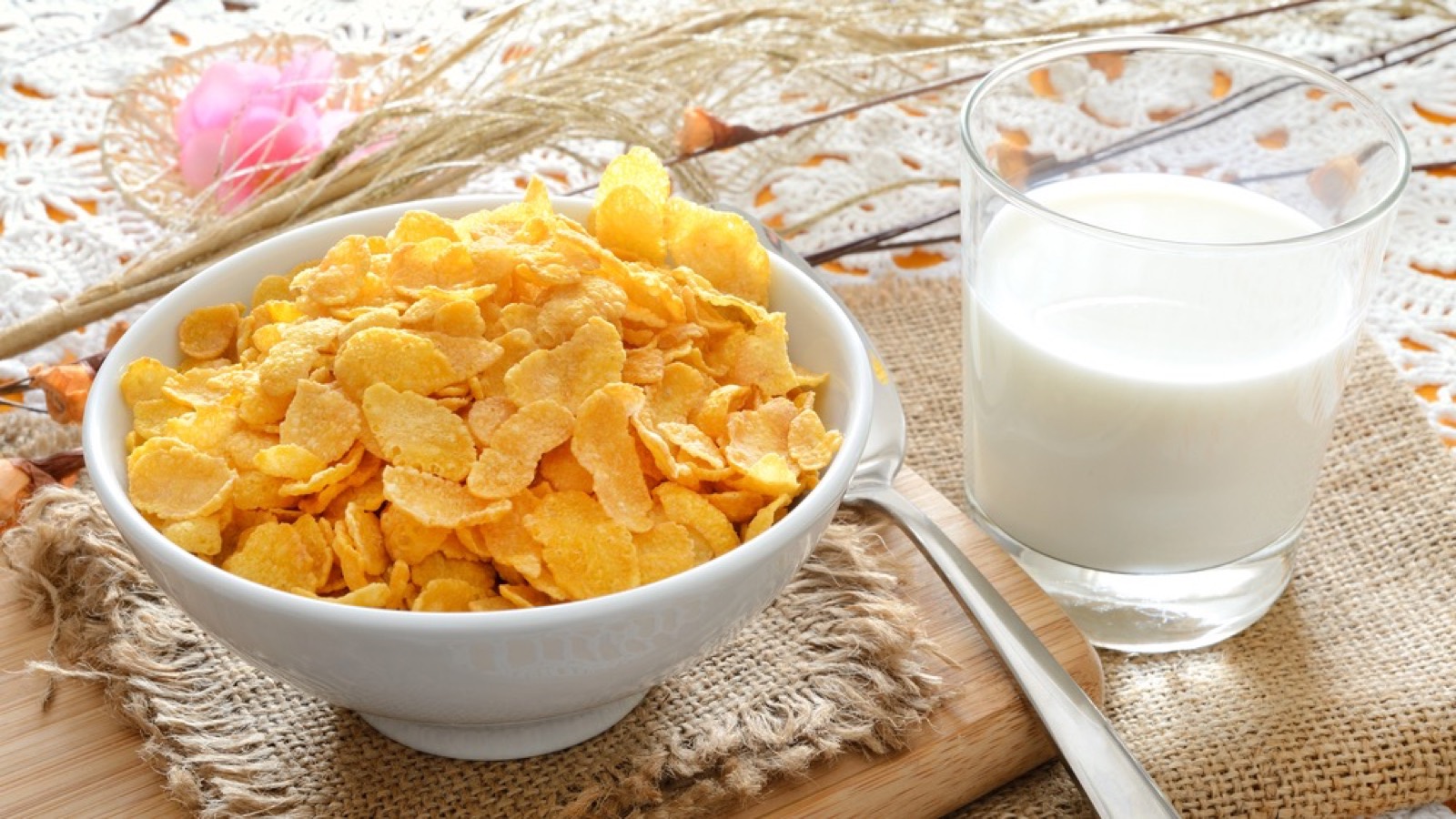
Kellogg promoted a strict diet at his sanitarium, along with unusual treatments like enemas and exercise routines. The flaked cereal was originally intended as a plain health food for patients. Will Keith Kellogg later added sugar to the recipe, which led to a falling out between the brothers.
Will Keith Kellogg founded the company that became Kellogg’s in 1906. The brothers’ bitter feud over the cereal, retold by History Today, became one of the most famous family fights in American business.
3. Coca-Cola
Coca-Cola was invented in 1886 by John Pemberton, a pharmacist in Atlanta. Pemberton was a Confederate veteran who had been wounded in the Civil War and became addicted to morphine. He was searching for a substitute and created several “nerve tonics.”
The original Coca-Cola contained extract from coca leaves, which included small amounts of cocaine. It was marketed as a medicine that could cure headaches, relieve exhaustion, and calm nerves. At the time, cocaine was legal and used in many medicines.
By the early 1900s, the company removed cocaine from the drink, though it continued to use coca leaf extract with the cocaine removed. Today, Coca-Cola is one of the most recognized brands in the world.
4. 7 Up
7 Up was introduced in 1929, just before the stock market crash, under the name “Bib-Label Lithiated Lemon-Lime Soda.” As the name suggests, it contained lithium citrate, a compound that today is used as a prescription medication for mood disorders.
The drink was marketed as a mood-lifting beverage, a promise that fit well with the anxious years of the Great Depression. Its creator, Charles Leiper Grigg, eventually renamed it 7 Up.
Lithium was removed from 7 Up around 1950, after the government cracked down on its use in soft drinks. The drink went on to become one of the most popular lemon-lime sodas in America, with few people aware of its unusual origin.
5. Fanta
Fanta was created in Germany in 1940, during World War II. Because of a trade embargo, Coca-Cola’s German branch could no longer get the syrup it needed to make Coke. The head of the German operation, Max Keith, created a new drink using ingredients that were available, such as whey and leftover fruit pulp from other food industries.
The drink was named Fanta, from the German word for imagination or fantasy. It sold well in wartime Germany. After the war, Coca-Cola regained control of the German business.
Coca-Cola relaunched Fanta in the 1950s as an orange soda, and it became a global brand. Its wartime origin is a surprising chapter in the history of one of the world’s most popular sodas.
6. Ketchup as Medicine
In the 1830s, tomato ketchup was sold as a medicine. A doctor named John Cook Bennett claimed that tomatoes could cure diarrhea, indigestion, and other ailments. Companies began selling tomato pills and ketchup extracts as health remedies.
The tomato medicine craze attracted many fraudulent sellers, and the pills were often filled with laxatives rather than tomatoes. By the 1850s, the fad had collapsed, and tomato medicines were seen as quackery.
Ketchup survived as a condiment, of course. Today, it is a staple on tables across America, without any claim of curing anything.
7. Hot Dogs and the Meatpacking Scandal
Hot dogs became popular in America in the late 1800s, sold by street vendors and at baseball games. But the early meatpacking industry that produced sausages was notoriously dirty. Meat was often made from scraps, spoiled leftovers, and parts that customers would never knowingly eat.
In 1906, Upton Sinclair published “The Jungle,” a novel that exposed the horrific conditions in Chicago’s meatpacking plants. The public outrage led Congress to pass the Federal Meat Inspection Act and the Pure Food and Drug Act that same year. The FDA history office explains how those laws laid the foundation for modern food safety.
Today, hot dogs are made under strict inspection rules. But their early history is a reminder of how unsafe food could be before regulation.
8. Margarine and the Pink Butter Wars
Margarine was invented in France in 1869 as a cheap butter substitute. When it arrived in America, the dairy industry fought back hard. Dairy farmers saw margarine as a threat to their livelihood and pushed lawmakers to restrict it.
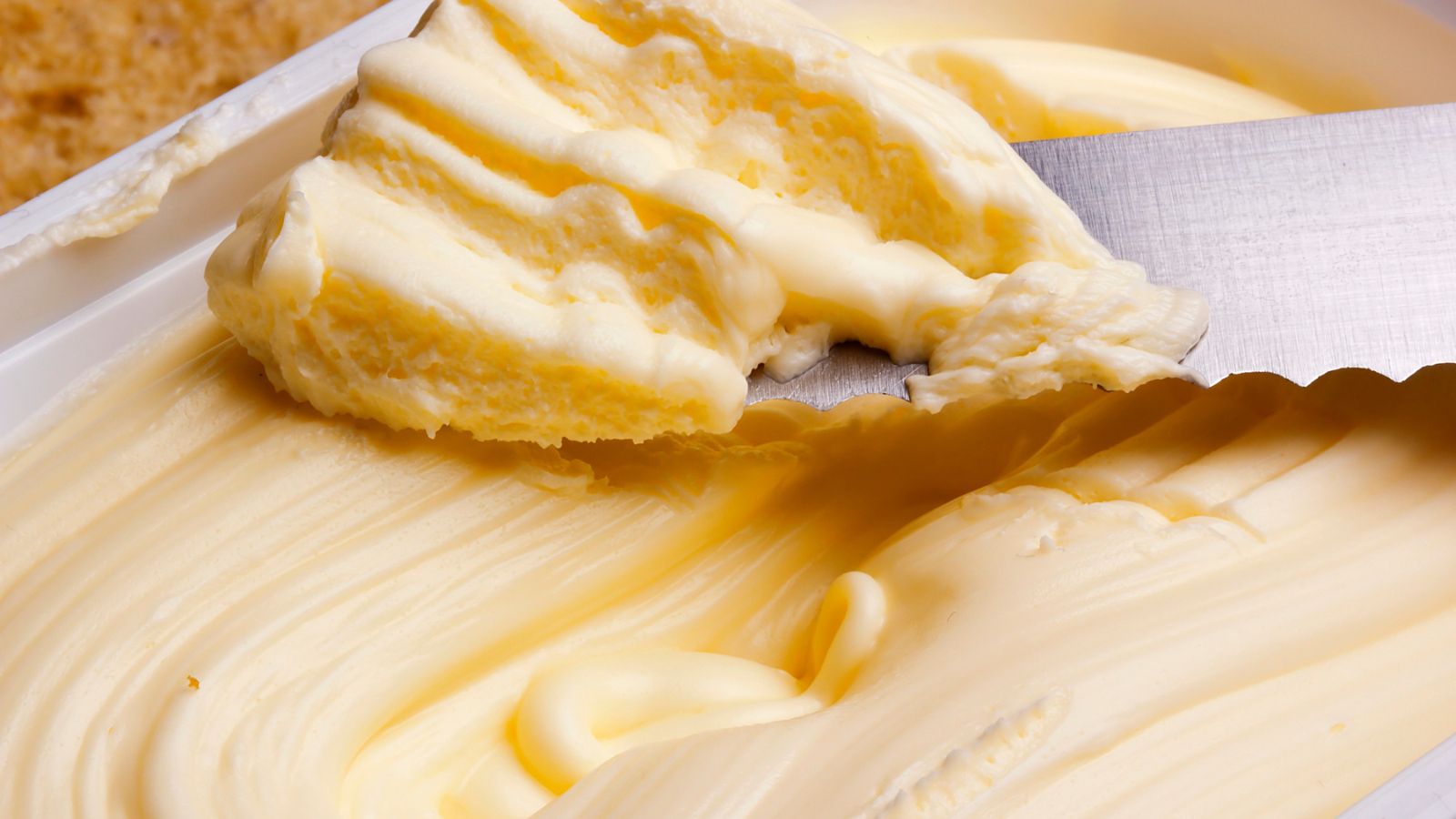
Some states passed laws requiring margarine to be dyed pink, so no one would mistake it for butter. Others banned yellow margarine entirely, forcing manufacturers to sell it white with a packet of yellow coloring that consumers mixed in themselves.
These battles lasted for decades. Wisconsin, America’s Dairyland, did not repeal its ban on yellow margarine until 1967. Today, margarine is sold freely, but its history shows how fierce the food wars could be.
Why These Stories Matter
The strange origins of these foods remind us how much the food world has changed. In the 1800s, there were few rules about what could be sold as food or medicine. Companies made bold claims, and many products contained ingredients that would be considered dangerous today.
The rise of food safety laws, consumer advocacy, and scientific research transformed the industry. Today, food labels must list ingredients, and health claims are regulated. These changes have made food safer and more transparent. Many old products appear in lists of iconic American foods accidentally invented, too.
The Surprise in Your Pantry
Next time you pour a bowl of Corn Flakes, crack open a can of 7 Up, or make s’mores with graham crackers, you might think about their surprising pasts. Many of the foods we take for granted have stories as strange as fiction. Visitors from abroad already find plenty of American foods that make foreigners cringe, and these backstories only add to the list.
Which of these origin stories surprised you the most, and do you know any other foods with a strange past? Many readers say the 7 Up story is the one they will be telling at the next family dinner.