USDA Warns: Don’t Eat These Frozen Meat Products
Before you reach into your freezer to make dinner, you might want to check what’s hiding behind those bags of frozen vegetables. The U.S. Department of Agriculture (USDA) has issued a warning about several frozen meat and poultry products that could pose a serious risk to people with certain food allergies.
The warning involves three products made by Betterballen Foods LLC, a company based in Greer, South Carolina. According to the USDA’s Food Safety and Inspection Service (FSIS), the products contain allergens that weren’t properly listed on their packaging.
And here’s what makes this warning particularly important: These products were sold online nationwide, meaning they could be sitting in freezers far beyond South Carolina.
The USDA issued the public health alert on November 6, 2026, urging consumers not to eat the affected products.
Three Frozen Products Are on the USDA’s Warning List
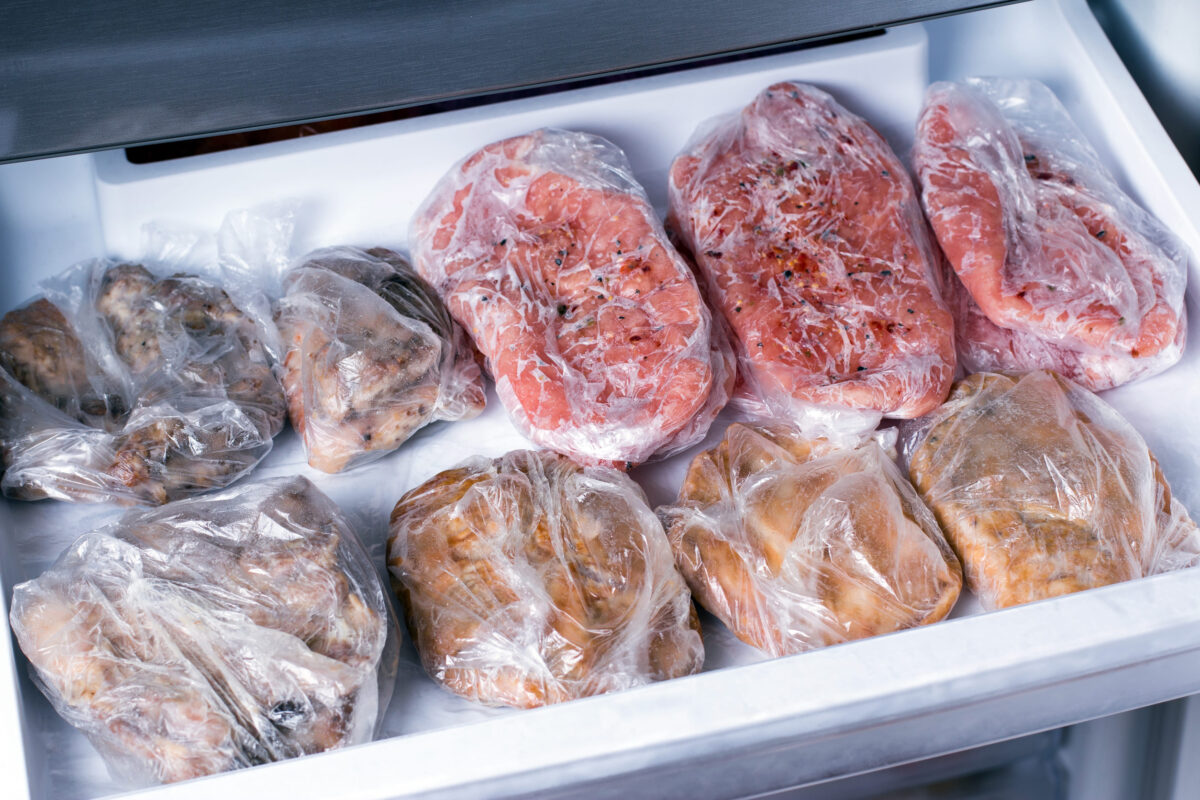
The warning covers three specific frozen products manufactured by Betterballen Foods LLC.
If you’ve recently purchased frozen meat snacks online, particularly through Lowlands House, it’s worth checking your packages.
Here are the affected products:
- Bami Rolls: Clear vacuum-packed packages containing six pieces, with lot codes BR-2026-01 and BR-2026-02.
- Saté Kroketten: Clear vacuum-packed packages containing 10 pieces, with lot code SK-1026-01.
- Bitterballen: Clear vacuum-packed packages containing 12 pieces, with lot code BB-1026-01.
All three products carry a best-by marking of October 2027.
The affected packages also bear USDA establishment markings “EST. M3177” or “EST. P3177.”
According to the agency, the products were produced on October 15, October 16, and October 27, 2026.
These details matter because the warning doesn’t apply to every frozen meat product on the market or automatically include everything manufactured by Betterballen Foods.
It’s about these specific products and identifying codes.
What’s Wrong With These Frozen Foods?
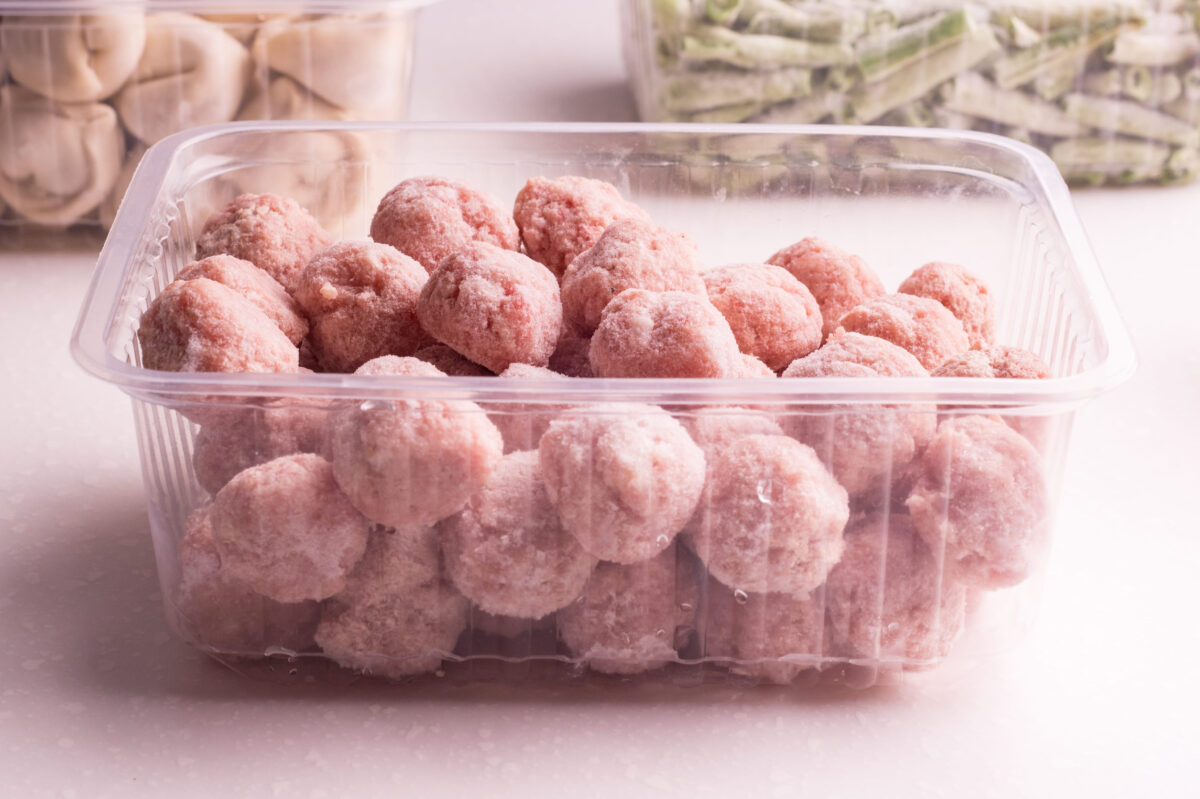
The problem isn’t spoiled meat or a reported outbreak of food poisoning.
It’s something that shoppers might not notice simply by looking at the food.
According to the USDA, all three products contain sesame, but that ingredient wasn’t declared on their labels.
There’s also another concern involving the beef product, Bitterballen.
The USDA says it contains Worcestershire sauce made with anchovy, a type of fish. That fish allergen wasn’t properly disclosed on the label either.
For someone without these allergies, the missing information might seem like a small packaging mistake.
But for people with sesame or fish allergies, accurate ingredient labels are essential.
Food allergies can cause reactions ranging from mild symptoms to severe, potentially life-threatening emergencies.
That’s why manufacturers must properly identify major food allergens in their products.
The USDA discovered the labeling problem during a routine review, rather than through a reported outbreak or consumer complaint.
These Products Were Sold Online Nationwide
You don’t have to live in South Carolina to have purchased one of these products.
According to the USDA, the affected frozen foods were sold through Lowlands House for internet sales nationwide.
That means customers outside the manufacturer’s home state could have received them.
The agency also said the products may have been sold at a festival and farmers market in Greer, South Carolina.
However, the USDA hasn’t identified the specific festival or market, and those additional sales haven’t been confirmed.
It’s also important to understand what nationwide distribution means here.
The warning doesn’t say these items were stocked in every major supermarket across America.
Instead, the confirmed nationwide sales channel was online.
So, if you’re a regular online shopper who enjoys ordering specialty frozen foods, checking your freezer is a sensible precaution.
Why Isn’t This an Official Recall?
Here’s where things get a little confusing.
When the USDA announces a problem involving food, many people automatically assume the products have been recalled.
But this situation is different.
The agency issued a public health alert, not a formal recall.
Why?
According to the USDA, a recall wasn’t requested because the affected products were no longer available for purchase.
However, that doesn’t mean every package has disappeared.
Some customers may have bought the products weeks earlier and stored them in their refrigerators or freezers.
And with a best-by marking of October 2027, there’s a good chance someone could keep an unopened package for quite some time.
That’s exactly why the USDA wants consumers to check what they already have at home.
Being unavailable for purchase doesn’t mean a product is no longer sitting in someone’s freezer.
What Should You Do If You Have These Products?
If you find one of the affected packages, the USDA’s instructions are straightforward.
Do not eat it.
The agency advises consumers to either throw away the affected product or return it to the place of purchase.
Don’t assume it’s fine because the package is unopened, has remained frozen, or hasn’t reached its best-by date.
And don’t try to solve the problem by cooking it longer.
The concern involves undeclared allergens, not simply whether the food has reached the proper cooking temperature.
If you’re unsure whether your package is included, check the product name, number of pieces, lot code, and best-by marking against the information in the alert.
You can also contact Betterballen Foods LLC at 312-340-4823 or email [email protected] for additional product information.
The USDA hasn’t announced a specific refund or replacement policy, so consumers should ask the seller directly about return arrangements.
Have Any Allergic Reactions Been Reported?
There’s some reassuring information in the USDA’s original announcement.
As of its November 6 notice, the agency said there had been no confirmed reports of adverse reactions linked to eating these products.
That’s encouraging, but it doesn’t mean the labeling problem should be ignored.
An undeclared allergen can create a serious risk even when no confirmed reaction has been reported.
Anyone who believes they’ve experienced an allergic reaction after consuming one of these products should contact a healthcare provider.
For serious symptoms, including difficulty breathing or severe swelling, seek emergency medical assistance.
Consumers with additional questions can contact the USDA Meat and Poultry Hotline at 888-674-6854.
A Quick Freezer Check Could Make All the Difference
Most of us don’t remember every product we’ve tucked away in the freezer. A package gets pushed behind the frozen fries, another disappears beneath a bag of vegetables, and suddenly it’s been sitting there for months.
That’s why this USDA warning deserves a second look.
The affected Betterballen products may no longer be available to purchase, but packages already sold could still be stored in homes across the country.
The good news is that the warning identifies specific products, lot codes, and packaging details, making it easier for shoppers to determine whether they have an affected item.
Before your next frozen-food dinner, take a moment to check those labels.
The bottom line: If you have one of the affected Betterballen products, don’t eat it. Follow the USDA’s advice and throw it away or return it to where you purchased it.