9 Pies Grandma Baked for Every Holiday That Are Rarely Made Today
In Grandma’s day, a holiday dinner wasn’t complete without a long row of pies on the sideboard. She often baked them days ahead, stacking them on every flat surface in the house and hiding a few in the cold back porch so the kids wouldn’t sneak a slice. Pumpkin, apple, and pecan were always there, but so were pies that most families have never even heard of today.
Many of those old pies came from hard times. When lemons, fresh fruit, or nuts were too expensive, grandmothers made pies from vinegar, buttermilk, molasses, and raisins. Others came from immigrant traditions or regional recipes that were passed down from mother to daughter.
Today, most holiday tables stick to a few favorites. But these nine old-fashioned pies deserve to be remembered, and many of them taste far better than their humble ingredients suggest.
1. Mincemeat Pie
Mincemeat pie was once a Christmas must, and it goes back centuries to England. Early versions really did contain meat, usually beef or venison, mixed with suet, apples, raisins, currants, spices, and brandy. The mixture was aged for weeks to develop its rich, spiced flavor.
By the mid-20th century, many families used jarred mincemeat, and many modern versions skip the meat entirely. Younger people often find it strange, but for many boomers, the smell of mincemeat pie means Christmas at Grandma’s house.
2. Chess Pie
Chess pie is a Southern classic made from simple pantry ingredients: eggs, sugar, butter, and a little cornmeal or flour, sometimes with vinegar or buttermilk. It bakes into a sweet, custardy filling with a slightly crackly top.
No one is sure how chess pie got its name. One popular story says a Southern cook was asked what kind of pie she was serving and replied, “It’s jes’ pie.” Whatever the truth, chess pie was a holiday staple in many Southern homes, and it’s still loved in places like Tennessee and Kentucky.
3. Shoofly Pie
Shoofly pie comes from the Pennsylvania Dutch, and it’s made with molasses, brown sugar, and a crumbly topping. There are “wet-bottom” versions with a gooey layer and “dry-bottom” versions that are more cake-like.
The most common story about its name is that the sweet molasses attracted flies, which had to be shooed away while the pie cooled. In Lancaster County, Pennsylvania, shoofly pie is still sold at bakeries and farm stands. Elsewhere, it’s mostly a memory from Grandma’s kitchen.
4. Vinegar Pie
Vinegar pie may sound odd, but it was a clever solution when lemons were scarce or too expensive. Pioneer and Depression-era cooks used a little vinegar to give a custard pie the tangy flavor of lemon. It’s one of the best-known “desperation pies,” made from whatever was in the pantry.
The result tastes surprisingly bright and sweet, a bit like lemon chess pie. Many people who try it for the first time can’t believe there’s vinegar in it. Some old cookbooks still include the recipe, and it’s starting to get attention again from bakers who love history.
5. Buttermilk Pie
Buttermilk pie is another Southern favorite, with a smooth, tangy custard filling made from buttermilk, eggs, sugar, and butter, often flavored with vanilla and nutmeg. It’s similar to chess pie but a little lighter.
Buttermilk was always on hand on farms, since it was left over from churning butter. That made buttermilk pie an easy, cheap holiday dessert. It’s still popular in Texas and other parts of the South, but many families outside the region have never tried it.
6. Sugar Cream Pie
Sugar cream pie, sometimes called Hoosier pie, is made with cream, sugar, butter, vanilla, and a little flour, sprinkled with nutmeg. It’s believed to have come from Shaker and Amish communities in Indiana in the 1800s. It was a popular winter pie because it used ingredients farm families always had on hand.
In 2009, Indiana made sugar cream pie its official state pie. It’s still sold in Indiana diners and bakeries, but most Americans outside the state have never had a slice.
7. Raisin Pie
Raisin pie was so common at funerals in Pennsylvania Dutch and Amish communities that it became known as “funeral pie.” Raisins were available all year and didn’t spoil, so the pie could be baked quickly when a neighbor passed away.
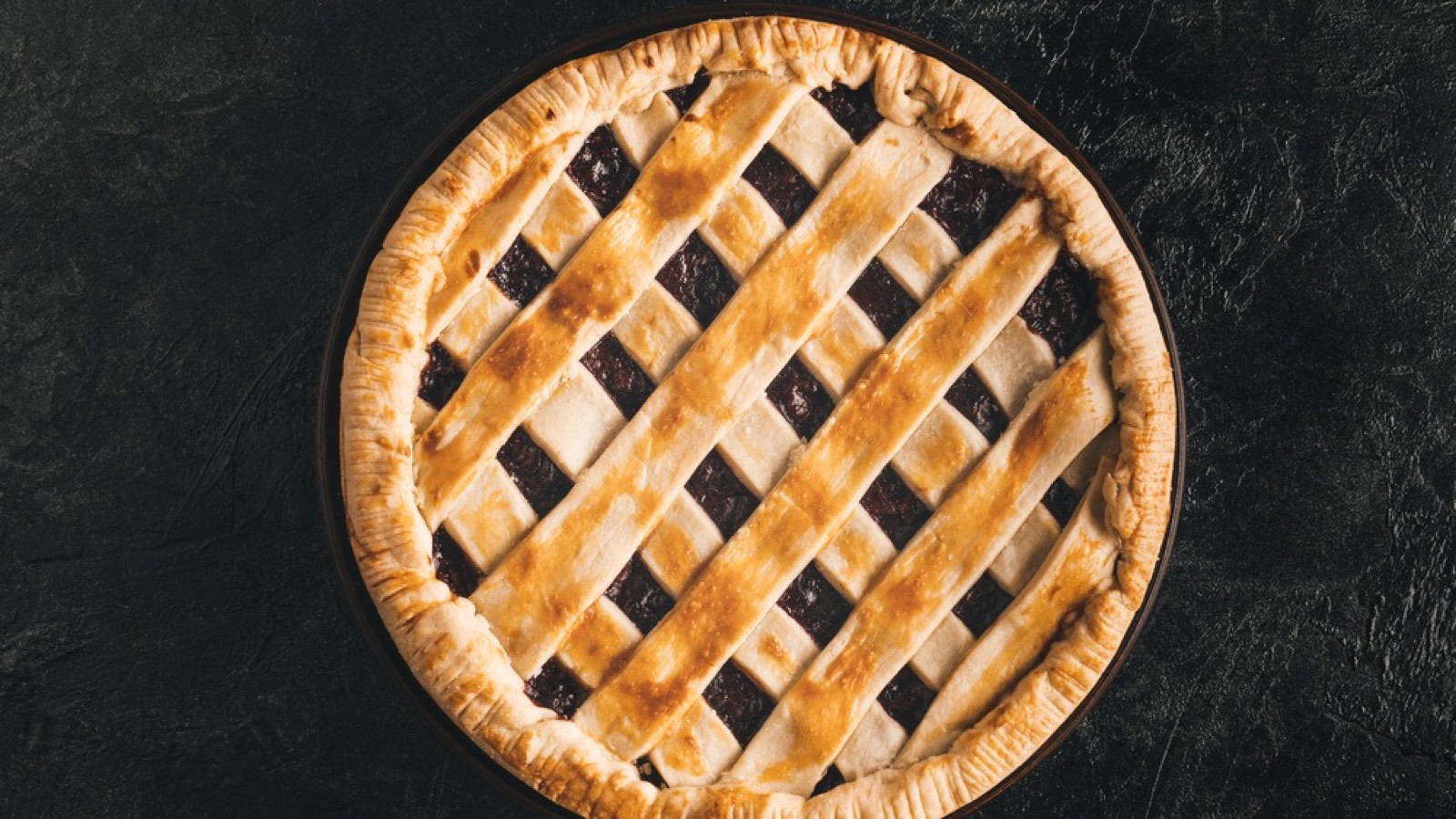
The filling is made from raisins cooked in water and sugar, thickened, and flavored with lemon and spices, then baked in a lattice or double crust. Many grandmothers also baked it for holidays. Today, it’s rare to find a raisin pie outside of Amish country.
8. Green Tomato Pie
When the first frost threatened the garden, grandmothers picked every green tomato left on the vine. Some were fried, some were pickled, and some went into pie. Sliced green tomatoes were mixed with sugar, vinegar or lemon, and spices, then baked in a crust.
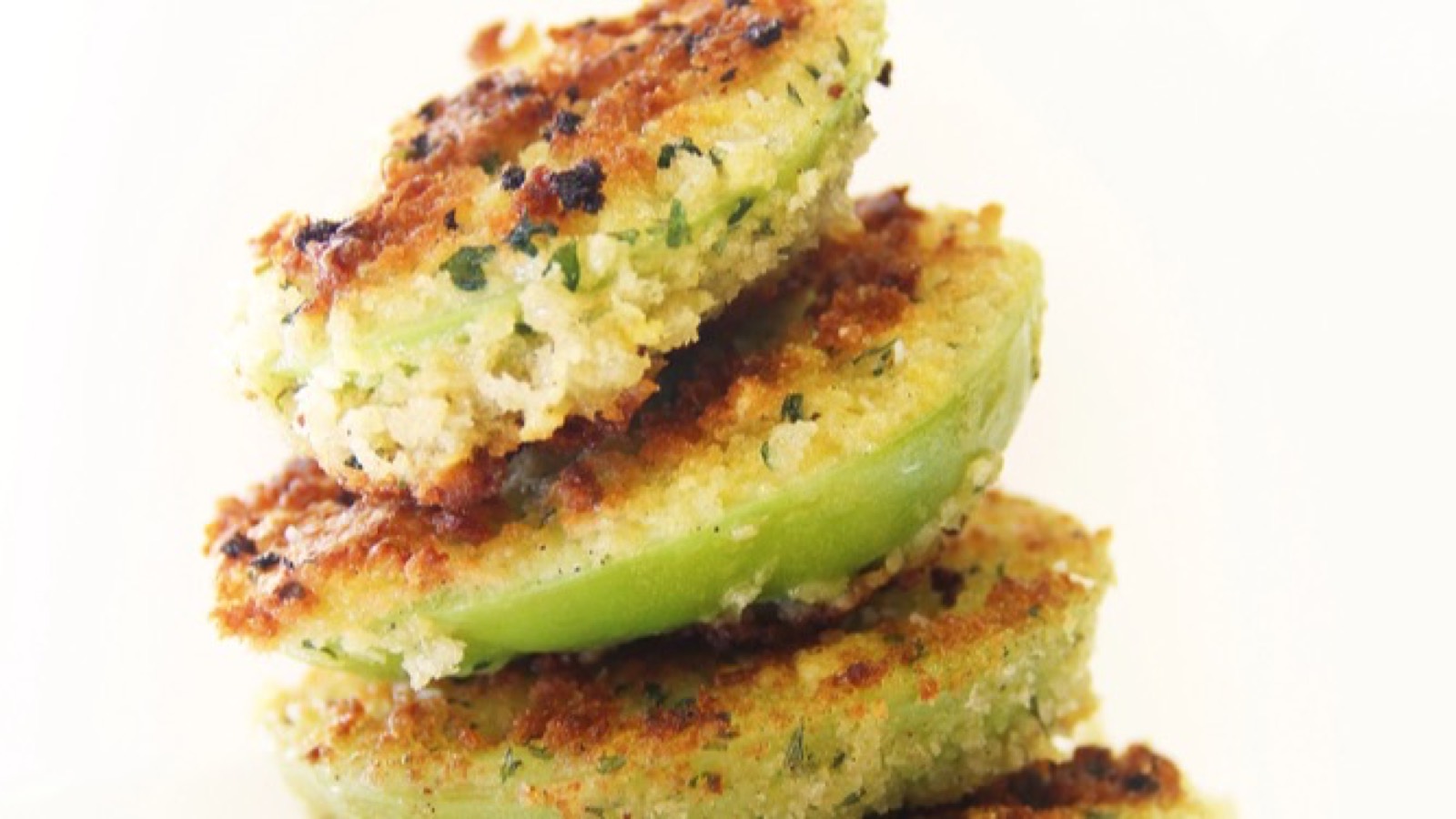
The flavor is surprisingly similar to apple pie, which is why it was sometimes called “mock apple pie.” Some families made green tomato mincemeat instead, which was stored in jars for the holidays. Few people make it today, but gardeners who love old recipes still bake it every fall.
9. Transparent Pie
Transparent pie is a Kentucky tradition, especially in the small town of Maysville on the Ohio River. It’s made with butter, sugar, eggs, and cream, and the filling bakes into a clear, glossy custard, which is how it got its name.
It’s closely related to chess pie and sugar cream pie, and it was a common holiday dessert in the region. Today, a few bakeries in Maysville still sell it, and it has a loyal following among people who grew up with it.
Why These Pies Disappeared
Many of these pies faded away as grocery stores began to sell fresh fruit all year and store-bought pies became cheap and easy. Busy families stopped baking from scratch, and the old recipes were often forgotten.
Others fell out of fashion as tastes changed. Mincemeat, raisin, and vinegar pies just didn’t appeal to younger generations raised on sweeter desserts. Today’s holiday tables tend to feature the pies that show up on Thanksgiving tables across America, like pumpkin, apple, and pecan.
Bringing Them Back
The good news is that many of these old pies are easy to make, and their recipes are still available in old cookbooks and online. If you want to surprise your family this holiday, try baking one of them. Many people are pleasantly surprised by how good they taste.
Some families are even making it a tradition to bake one forgotten pie each holiday season, in honor of the grandmothers who taught them. It’s the kind of tradition that fits right alongside the delicious desserts you deserve to know about from kitchens around the world.
Which of these pies did your grandmother bake, and would you try making one this year? Many readers say chess pie is the one they miss the most.