9 Things Mothers-in-Law Say About Cooking That Daughters-in-Law Hate Hearing
The kitchen is one of the most delicate places in any family. For many women, it’s where a mother-in-law and daughter-in-law first find out how well they’ll get along. A single comment about the gravy or the turkey can be remembered for years, sometimes long after the mother-in-law has forgotten saying it.
Most mothers-in-law don’t mean any harm. They spent decades feeding their families, and they’re proud of what they know. Many simply want to help or share a family recipe. But to a daughter-in-law who has worked hard on a meal, those same words can feel like criticism, especially when they come in front of her husband.
Cambridge psychologist Terri Apter, who has studied in-law relationships for years, found that tension between wives and their husbands’ mothers is far more common than tension between husbands and their wives’ mothers. Food is often right in the middle of it. Here are nine comments, shared here as common examples, that daughters-in-law say they wish they’d never hear again.

1. “That’s Not How My Son Likes It”
This is perhaps the most famous mother-in-law comment of all. It suggests that the mother knows her son better than his wife does, and that the wife has somehow failed. Even if it’s said lightly, it can feel like a challenge.
Many daughters-in-law say their husbands’ tastes have changed over the years, and that he actually likes the way his wife cooks. The comment can also put the husband in an awkward spot, caught between his mother and his wife.
2. “Is This From a Box?”
Whether it’s mashed potatoes, stuffing, or a cake, this question can sting. It suggests that the daughter-in-law took a shortcut and didn’t make the effort a “real” cook would. Many women who work full-time and raise children rely on some shortcuts to get dinner on the table.
Even if the dish is from a box, it was made with care. Many daughters-in-law say they wish their mother-in-law would simply enjoy the food instead of judging how it was made.
3. “I’ll Just Bring My Own Dish”
When a mother-in-law insists on bringing her own version of a dish the daughter-in-law is already making, it can feel like a vote of no confidence. This often happens at holidays, when a mother-in-law brings her own stuffing, gravy, or pie, just in case.
Some daughters-in-law welcome the help, but others feel it’s a sign that their cooking isn’t good enough. It can also lead to awkward moments when the family has to choose which version to eat.
4. “He’s Always Loved My Gravy”
Comments that compare a daughter-in-law’s cooking with the mother-in-law’s own can be especially hard to hear. They often come with a smile, but the message is clear: Mom’s version is better.
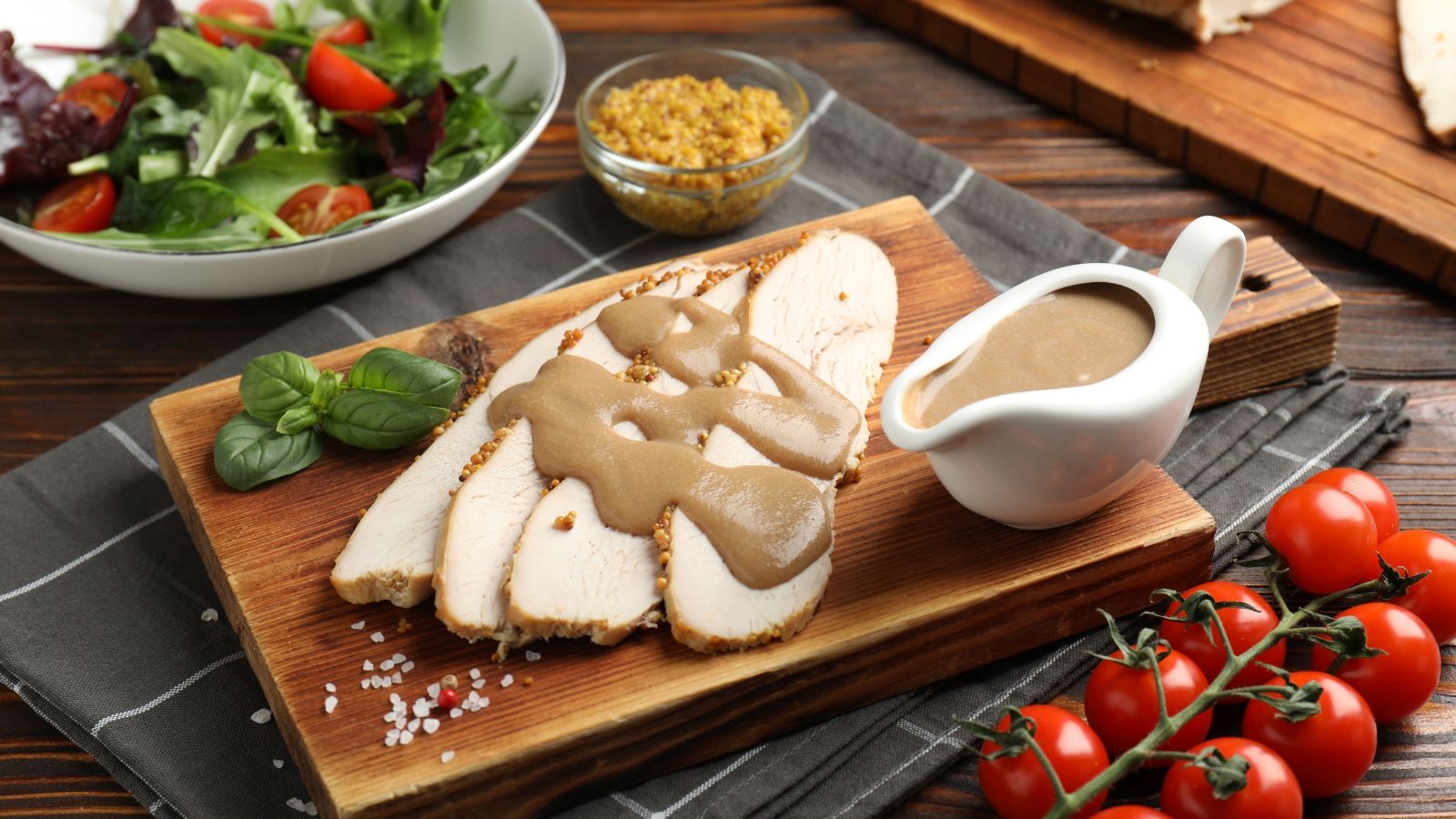
Many husbands have fond memories of their mother’s cooking, and that’s natural. But daughters-in-law say they don’t want to compete. They want their own cooking to be appreciated for what it is.
5. “You Use a Lot of Butter, Don’t You?”
Comments about a daughter-in-law’s ingredients, portion sizes, or cooking methods can feel like criticism of her as a person. Some mothers-in-law comment on how much butter, salt, or sugar is used, while others worry out loud about the family’s health.
Even if the concern is real, the way it’s expressed matters. A comment made in front of others can feel embarrassing, and many daughters-in-law say they’d rather hear concerns in private, if at all.
6. “Here, Let Me Show You How”
Some mothers-in-law can’t resist taking over the kitchen. They step in to stir the pot, adjust the seasoning, or show the daughter-in-law how to carve the turkey properly. They may think they’re being helpful, but it can feel like a takeover.
Many daughters-in-law say they appreciate advice when they ask for it. But unsolicited lessons in their own kitchen can make them feel like guests in their own home.
7. “Did You Forget the Salt?”
Small comments about the taste of a dish can sting, especially when they’re said at the table. Asking whether something needs salt, or reaching for the salt shaker before tasting, can feel like a quiet critique.
Many daughters-in-law say they’d rather hear something kind, even if the dish isn’t perfect. A simple “thank you for dinner” means far more than a comment about the seasoning.
8. “We Always Do Thanksgiving at My House”
Holidays are a common source of tension, and food traditions are often at the heart of it. When a mother-in-law insists that the family always eats at her house, it can leave the daughter-in-law feeling that her own traditions don’t matter.
Many couples now take turns hosting holidays or split their time between families. The conversations can be hard, but they’re often necessary for both sides to feel respected.
9. “You Should Make His Favorite More Often”
When a mother-in-law tells a daughter-in-law what to cook for her husband, it can feel like she’s still trying to take care of her son. Even if it’s meant as a friendly suggestion, it can make the daughter-in-law feel like she’s not doing enough.
Many daughters-in-law say they’d love to learn family recipes, but they want to choose when and how to make them. Sharing a recipe card is a kind gesture. Telling someone how to run her kitchen is not.
Why These Comments Hurt
For many women, cooking is a way of showing love and care for their families. When their cooking is criticized, it can feel like their love is being questioned. That’s why even small comments can hurt so much.
The relationship between a mother-in-law and daughter-in-law can be complicated. Both love the same man, and both want to feel important in his life. Food is often where those feelings come out, and some behaviors cross a line, like the ones on this list of mother-in-law behaviors that strain a couple.
How to Build a Better Relationship
Many families find that open, kind conversations help. Mothers-in-law can offer help instead of criticism, and daughters-in-law can invite their mothers-in-law to share recipes on their own terms. Husbands can play an important role by supporting their wives and gently stepping in when needed.
Some of the warmest relationships start in the kitchen, when a mother-in-law teaches a family recipe and the daughter-in-law makes it her own. If words have been sharp, it’s never too late to apologize sincerely and start fresh.
Which cooking comment from a mother-in-law have you heard, or said, and how did you handle it? Many readers say “that’s not how my son likes it” is the one they’ll never forget.