9 Recipes Older Women Say They’ll Never Stop Making
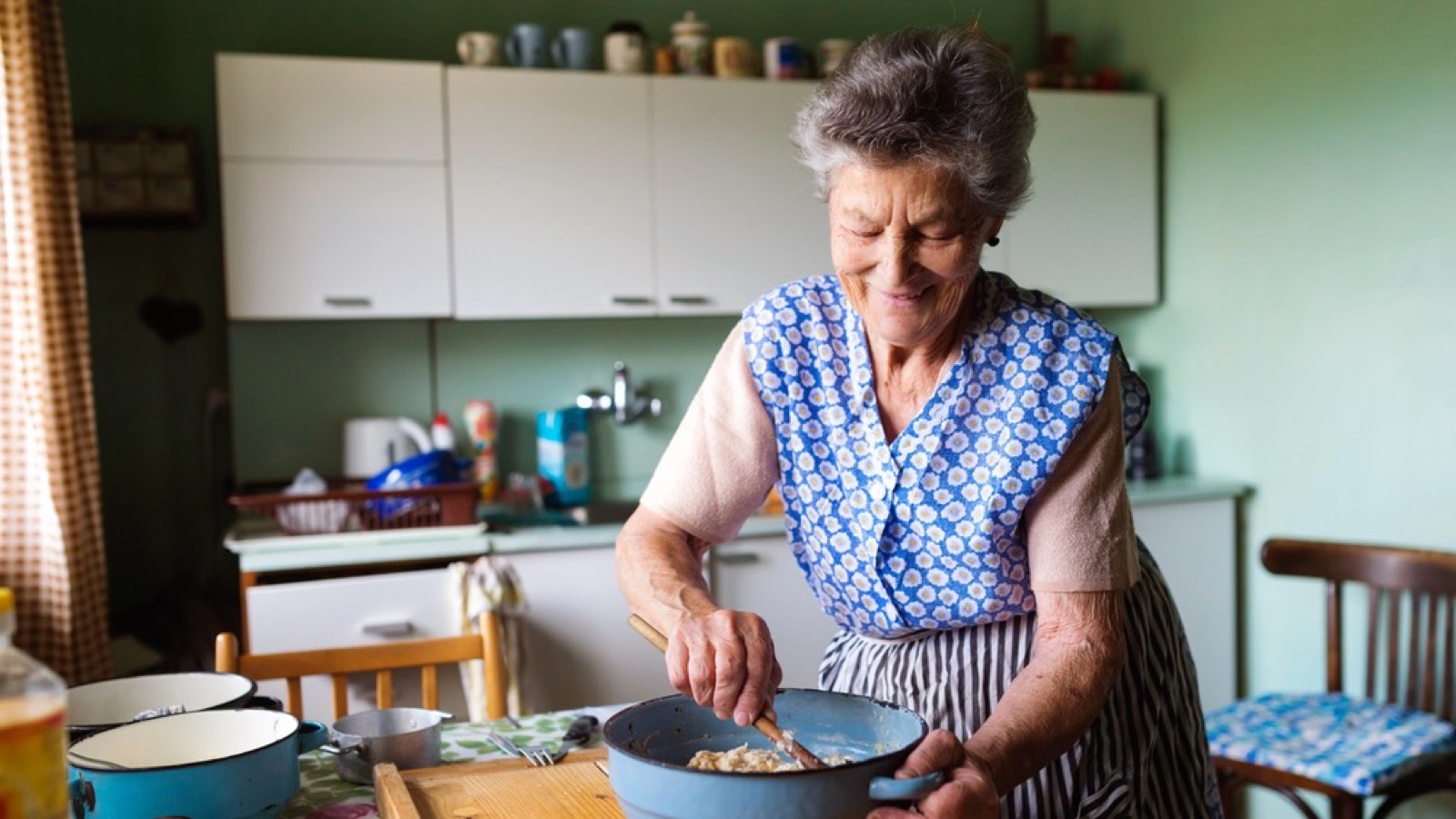
Ask an older woman about the recipes she’s made for decades, and you’ll often see her face light up. Many of these dishes have been in the family for generations, written on stained index cards in a grandmother’s handwriting or never written down at all. They’ve been made for birthdays, funerals, holidays, church suppers, and quiet Sunday afternoons.
These aren’t the trendy recipes that show up on social media for a few weeks and then disappear. They’re the reliable dishes that families request again and again, the ones that would cause an uproar if they didn’t appear at Thanksgiving. Many women say that as long as they can stand at the stove, they’ll keep making them. Here are nine recipes that older women say they’ll never stop making, and why these simple dishes still mean so much to the people who make and eat them.
1. Deviled Eggs
No family gathering seems complete without a platter of deviled eggs. Hard-boiled eggs are cut in half, the yolks are mashed with mayonnaise or Miracle Whip, mustard, and a little vinegar, and the filling is piped or spooned back into the whites. A sprinkle of paprika finishes them off.
The word “deviled” has been used since the 1700s to describe foods that were spicy or highly seasoned. Many women have a special deviled egg plate, often passed down from their mothers, that comes out only for holidays and parties. And no matter how many they make, the platter is always empty by the end of the day.
2. Pound Cake
Pound cake gets its name from the original recipe, which called for a pound each of butter, sugar, eggs, and flour. That recipe dates back to the 1700s in England and became a favorite in American kitchens. Today’s versions often use less, but the rich, dense cake is just as loved.
Many older women have a pound cake recipe they’ve made for decades, whether it’s a classic vanilla, a lemon glaze, or a cream cheese version. It’s the cake they bring to funerals, bake for birthdays, and slice for unexpected guests. It keeps well, freezes beautifully, and tastes even better the next day.
3. Potato Salad
Every family has an opinion about potato salad. Some like it with mustard, some with mayonnaise, some with eggs, and some with pickles or relish. Many older women have a version they’ve perfected over the years, and their families won’t accept any other.
Potato salad shows up at every picnic, cookout, and family reunion. Many women say it’s the dish they’re always asked to bring. Even grandchildren who don’t like potatoes often make an exception for Grandma’s potato salad.
4. Banana Bread
Banana bread became popular in America in the 1930s, when baking soda and baking powder became widely available and thrifty cooks were looking for ways to use overripe bananas. It’s been a favorite ever since, especially with women who hate to waste food.
Many older women make banana bread whenever their bananas start to turn brown. Some add walnuts or chocolate chips, while others keep it plain. It’s a recipe that’s easy, comforting, and always welcome at the kitchen table.
5. Sweet Potato Casserole
Sweet potato casserole is a Thanksgiving tradition in many American homes. Mashed sweet potatoes are mixed with butter, sugar, and spices, then topped with either marshmallows or a crunchy pecan streusel. Families often argue about which topping is better.
The marshmallow version has an interesting history. In 1917, a marshmallow company published a recipe booklet that encouraged cooks to top sweet potatoes with marshmallows, and the idea caught on. Many older women still make their mother’s version every year, and their families wouldn’t have it any other way.
6. Cornbread Dressing
In the South, many families make cornbread dressing instead of bread stuffing for holidays. It’s made with crumbled cornbread, onions, celery, sage, and chicken or turkey broth, then baked until golden on top and moist inside. Some families add boiled eggs or sausage.
Many older women start making their cornbread a day or two ahead, just for the dressing. It’s a dish that takes time and care, and many say no store-bought mix could ever compare. For their families, Thanksgiving wouldn’t feel like Thanksgiving without it.
7. Homemade Buttermilk Biscuits
Many older women learned to make biscuits from their mothers and grandmothers, often without measuring anything. They mix flour, baking powder, salt, cold butter or shortening, and buttermilk by feel, then cut the dough with a glass or biscuit cutter.
Homemade biscuits are a symbol of Southern hospitality and family breakfasts. Many women say they’ve made them so many times that their hands know exactly what to do. Grandchildren who grow up eating them often say store-bought biscuits just aren’t the same.
8. Peach Cobbler
Peach cobbler is a summer classic, especially in the South. Sliced peaches are mixed with sugar and spices, then topped with a biscuit or cake-like batter and baked until bubbly and golden. It’s best served warm with a scoop of vanilla ice cream.
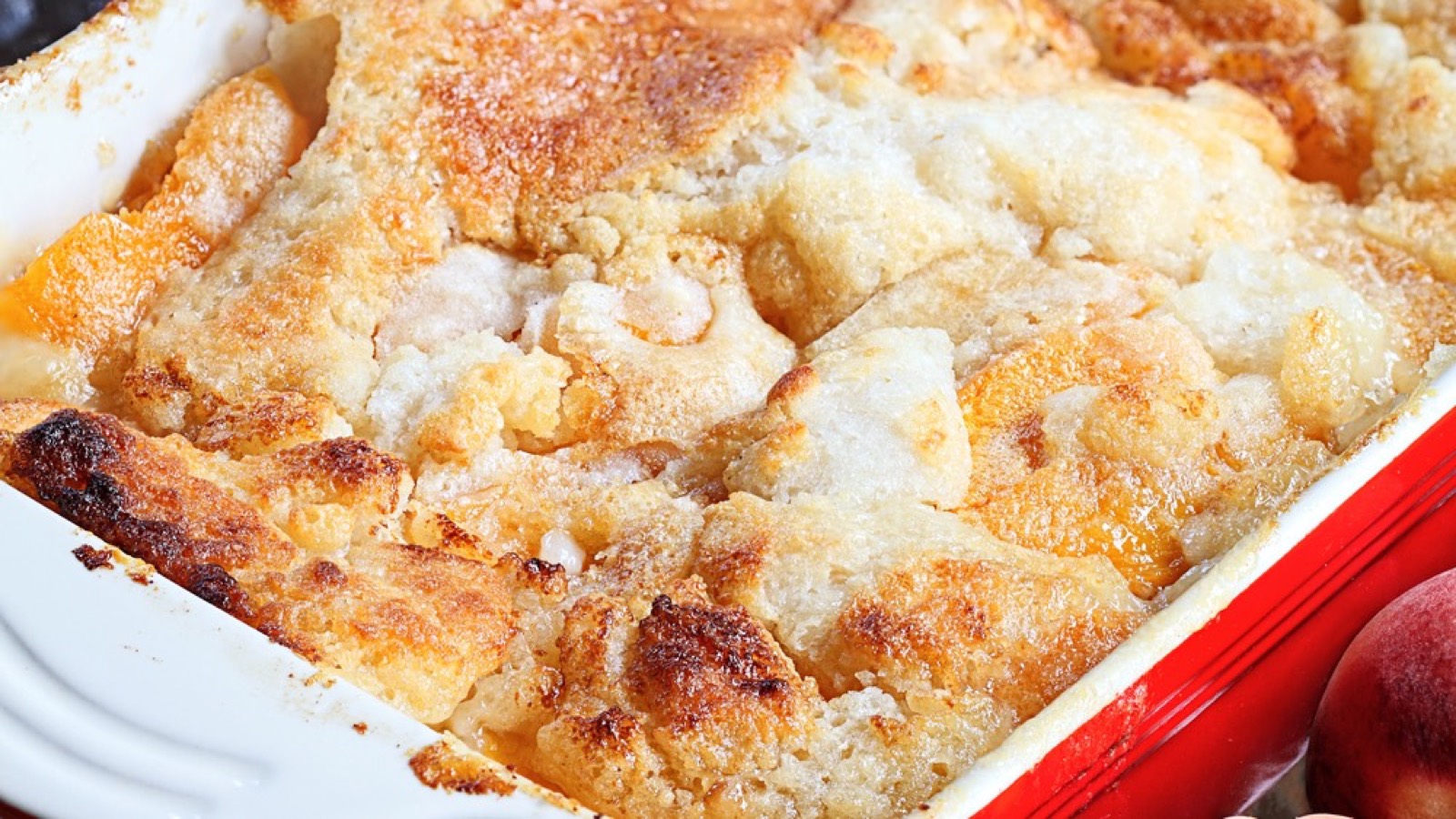
Many older women make peach cobbler every summer when peaches are ripe, and some use canned peaches the rest of the year. It’s a recipe that’s easy to make in large batches for family gatherings. For many families, peach cobbler is the taste of summer.
9. Christmas Fudge
Many older women make fudge every December, often using a recipe they’ve followed for decades. Some make the old-fashioned kind, cooked carefully on the stove until it reaches the soft-ball stage. Others use the easier marshmallow cream version that became popular in the mid-20th century.
Fudge has been an American favorite since the late 1800s. One of the earliest records comes from a student at Vassar College who wrote in 1888 about making fudge to sell at a school bazaar. Today, many women give fudge as Christmas gifts, packed in tins for friends, neighbors, and family.
Why These Recipes Matter
For many older women, these recipes are more than food. They’re connections to the mothers and grandmothers who taught them to cook, and to the families they’ve fed for decades. Making them brings back memories of holidays, gatherings, and loved ones who are gone.
These recipes also carry a sense of pride. Many women have spent years perfecting them, and their families depend on them. Many of these dishes were once the heart of the Sunday family dinner, a tradition many families miss.
Passing Them Down
Many older women are now teaching these recipes to their children and grandchildren so they won’t be lost. Some are writing them down for the first time, while others are cooking side by side with younger family members.
If you’re lucky enough to have a mother or grandmother who makes any of these dishes, ask her to teach you. These recipes are a gift that can be passed down for generations, part of the boomer habits that younger families are rediscovering.
Which recipe will you never stop making, and who taught it to you? Many readers say their mother’s pound cake is the one they’ll keep making forever.