10 Things Hotel Housekeepers Hate Finding After Guests Check Out
A hotel room can look perfectly comfortable when a guest checks in. The bed is neatly made, the bathroom smells fresh, the towels are folded, and everything appears to be in its proper place. But what happens after that guest checks out can be an entirely different story.
For hotel housekeepers, checkout time is when the real work begins. They walk into rooms that may have been occupied for one night or an entire week, and they often have limited time to make everything ready for the next arrival.
A few used towels and an unmade bed are perfectly normal. After all, guests pay to use the room. But some discoveries create hours of additional work, damage hotel property, or even make the room temporarily unsuitable for another guest.
And some of the most frustrating things aren’t necessarily the messiest.
Here are 10 things hotel housekeepers would probably rather not find when they open the door after checkout.
A Bed That Looks Like a Crime Scene After a Takeaway Dinner
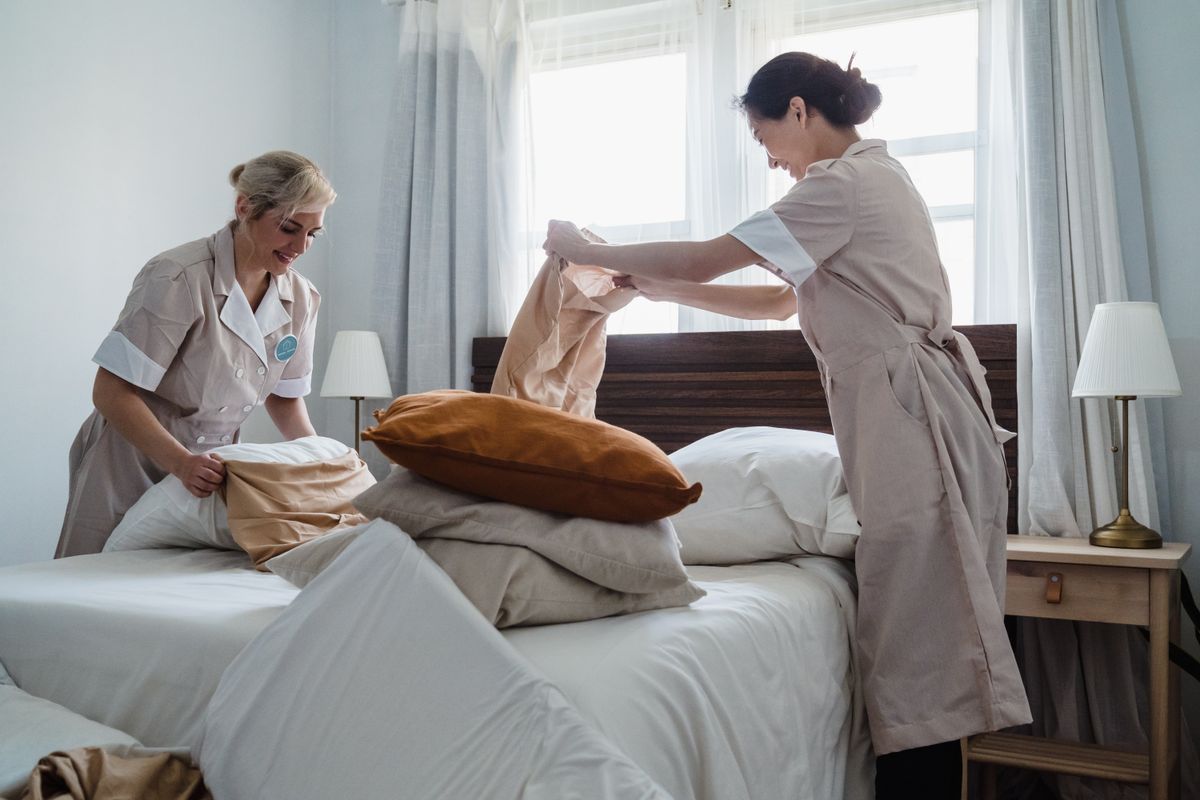
Ordering pizza, burgers, or room service after a long day of traveling is one of the pleasures of staying in a hotel.
But some guests turn the bed into a dining table, leaving behind greasy wrappers, sauce stains, crumbs, spilled drinks, and food particles trapped between the sheets.
The problem isn’t simply that the bedding needs changing. Certain stains require additional treatment, and heavily soiled linens may need special handling.
What could have been a routine bed change becomes a much longer task. Meanwhile, the next guest expects to walk into a perfectly clean room.
Related: 7 Things in your home that make everyone think you’re rich
White Towels That Have Been Turned Into Cleaning Rags
Hotels provide towels for bathing, drying hands, and ordinary personal use. Yet housekeepers sometimes discover towels covered in shoe polish, makeup, hair dye, or dirt from luggage and other belongings.
Some guests even use white towels to wipe muddy shoes or clean up spills that could have been handled differently.
The frustrating part is that heavily stained towels may need extra treatment and, depending on their condition, may no longer be suitable for guest use.
A hotel towel might look like an ordinary household towel, but replacing damaged linen is an expense hotels would rather avoid.
A Bathroom That Requires More Than an Ordinary Turnover
Housekeepers expect to clean bathrooms thoroughly. That is part of their job.
What makes certain bathrooms particularly difficult is discovering overflowing bins, clogged drains, spilled toiletries, excessive hair, and surfaces covered in residue.
Sometimes the mess extends beyond the shower and sink to walls, mirrors, and floors.
A bathroom that needs extra attention can delay the cleaning of the entire room. In a busy hotel, that matters because another guest may already be waiting to check in.
Food Hidden in Places Nobody Would Think to Look
A half-eaten sandwich under the bed might seem like a harmless leftover from a late-night snack. But imagine finding several forgotten food containers inside drawers, behind curtains, or tucked into furniture.
Housekeepers have to inspect more than the obvious surfaces. They need to check places where rubbish, forgotten belongings, and food might have been left behind.
Food can attract insects, produce unpleasant odors, and create problems that extend beyond one room.
The worst part is that the next guest might notice the smell before anyone realizes where it is coming from.
Furniture Rearranged as Though the Room Were Someone’s Living Room
Some guests enjoy making a hotel room feel more like home. They move chairs, drag tables across the floor, rearrange bedside furniture, or shift mattresses and other items.
There is nothing wrong with wanting a comfortable space, but leaving everything scattered can create additional work.
Housekeepers may have to move furniture back, inspect the floor for damage, and make sure the room matches the hotel’s standard arrangement.
A room that was designed to be cleaned and prepared efficiently can become a much harder job when everything has been moved.
Related: 7 Home Improvements That Might Actually Lower Your Home’s Value
Broken Glass and Damaged Items Nobody Bothered to Report
Not every accident is intentional. Guests drop glasses, knock over lamps, damage bathroom accessories, or occasionally break something while moving around the room.
The frustrating part is finding broken items with no explanation.
Broken glass is particularly concerning because small pieces can remain on the floor or around furniture. Staff must make sure the area is safe before anyone else enters.
Reporting accidental damage before leaving is far more helpful than pretending it didn’t happen. Most importantly, it gives the hotel a chance to address the problem safely.
A Room That Smells Like a Party Continued Until Checkout
A room can be untidy without being difficult to clean. But lingering odors can be a different challenge.
Strong food smells, smoke, spilled drinks, and other persistent odors may remain long after guests have left.
Opening a window or changing the bedding might not be enough. Depending on the source, staff may need additional cleaning, ventilation, or treatment before the room is ready.
This can be especially frustrating when the hotel is fully booked, and another guest is expected shortly.
Wet Towels and Clothing Left in Every Corner
A pile of wet towels in the bathroom is understandable after several people have showered. But finding damp clothing stuffed into drawers, wet towels under the bed, and soaked items left on upholstered furniture creates additional problems.
Moisture can leave unpleasant smells and may affect surfaces that are not designed to remain wet.
Housekeepers also have to search more carefully to distinguish hotel property from guests’ personal belongings.
A simple habit, such as keeping used towels together, can make checkout much easier.
A Room Full of Forgotten Belongings
One of the most awkward discoveries after checkout is a room that looks empty but contains expensive or important personal belongings.
Housekeepers may find phones, jewelry, passports, medication, laptops, wallets, and chargers hidden in places guests never thought to check.
These discoveries can create extra work because staff must follow the hotel’s lost-property procedures rather than simply throwing everything away.
For a guest, forgetting something important can turn an ordinary journey home into a stressful experience.
For housekeeping, it means documenting the item and making sure it is handled appropriately.
The Guest Who Leaves a Disaster Because They Believe Cleaning Is Someone Else’s Problem
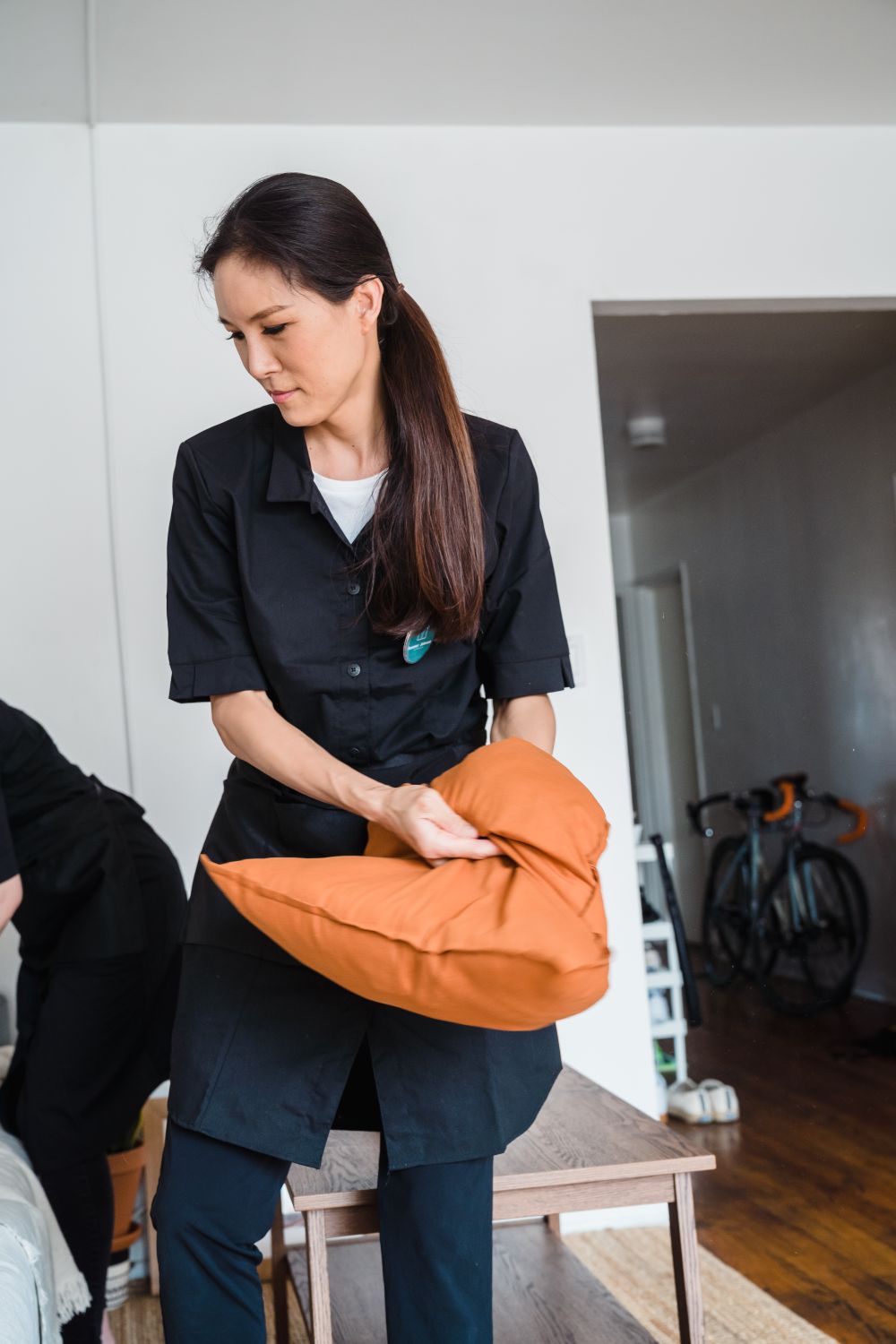
Perhaps the most frustrating situation is not one particular stain or broken item. It is the attitude behind deliberately leaving a room in an unnecessarily terrible condition.
Some guests scatter rubbish, throw food across surfaces, damage property, or leave personal waste in inappropriate places because they assume somebody else will deal with everything.
Of course, cleaning is part of a housekeeper’s job. Guests should not feel obligated to make their beds or scrub their bathrooms before checkout.
But paying for a hotel room does not mean treating the people who maintain it without consideration.
There is a difference between leaving behind an ordinarily used room and deliberately making another person’s working day harder.
Related: 7 Simple Ways to Go Green with Your Cleaning Routine
The Checkout Reality Most Guests Never See
Most hotel guests only see the finished product: freshly made beds, clean bathrooms, folded towels, and rooms that smell pleasant.
They rarely see the work that happens between one guest leaving and another arriving.
Housekeepers often have several rooms to prepare, and unexpected messes can disrupt carefully planned schedules. A single room requiring extensive cleaning may affect how quickly the next guest can check in.
That does not mean guests must leave hotel rooms spotless. They are paying for accommodation and cleaning services. But basic consideration goes a long way.
Putting rubbish in the bin, reporting accidental damage, avoiding unnecessary stains, and checking for forgotten belongings are small actions that can make a real difference.