8 Old-Fashioned Cooking Methods Grandma Used That Still Beat Modern Shortcuts
Modern kitchens are full of gadgets that promise to save time. There are air fryers, instant pots, bread machines and bags of pre-chopped everything. They’re handy, and nobody is saying you should throw them out. But anyone who ate at Grandma’s table knows that some things just tasted better the way she made them.
That’s not only nostalgia talking. Many of the slow, hands-on methods our grandmothers relied on produce better flavor and texture than the shortcuts that replaced them, and food science backs a lot of them up. Here are eight old-fashioned cooking methods that still beat the modern way, and why it may be worth giving them another try.
1. Cooking in a Well-Seasoned Cast-Iron Skillet
Grandma’s cast-iron skillet did almost everything. She fried chicken in it, baked cornbread in it and seared steaks until they had a deep brown crust. Over years of use, the skillet built up a slick layer of seasoning that made it naturally nonstick.
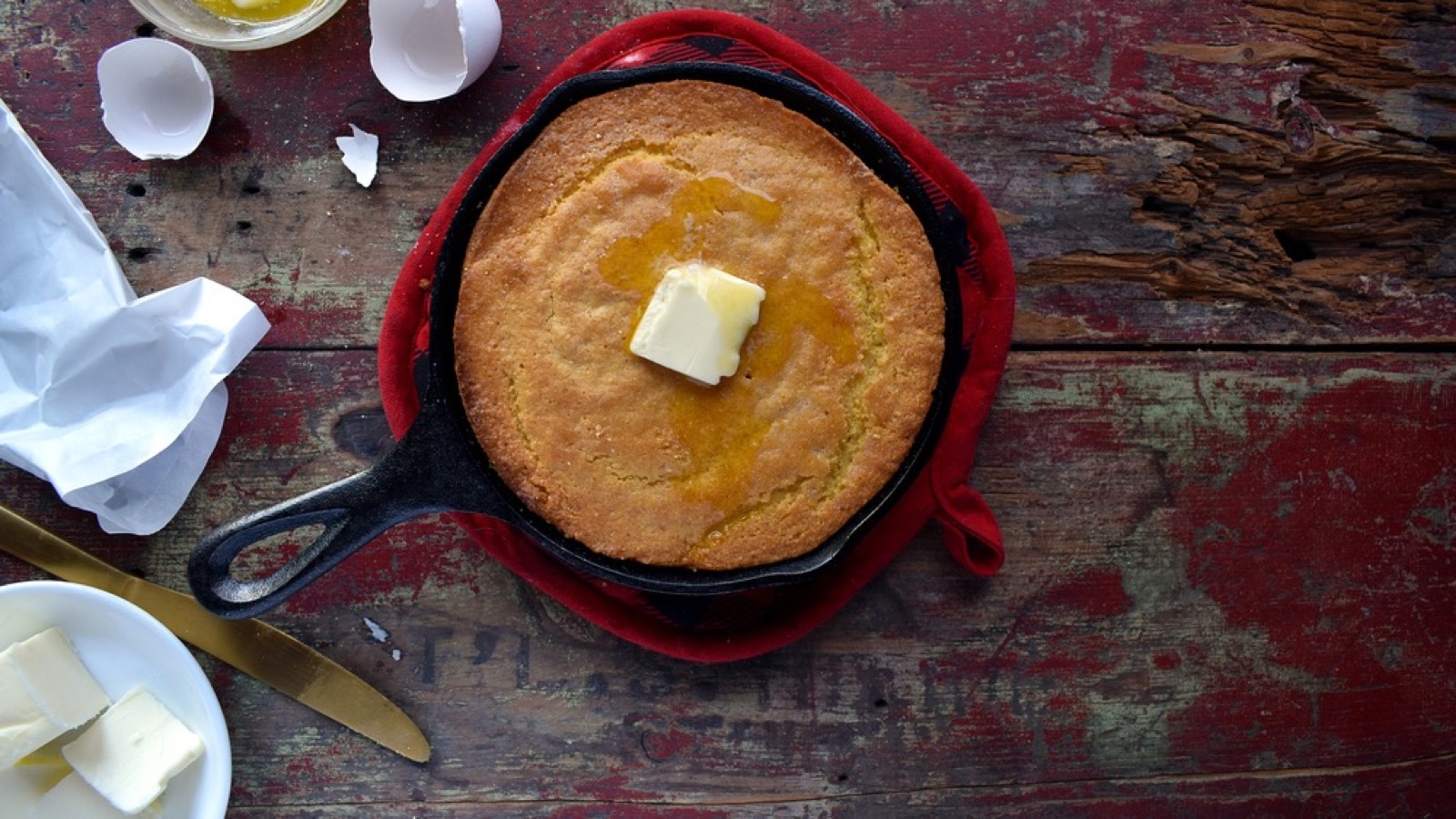
Cast iron holds heat better than thin modern pans, so food browns evenly instead of steaming. It goes from stovetop to oven and can last for generations. Companies like Lodge have made cast iron in Tennessee since the 1890s, and the pans have become popular again with younger cooks who want something that won’t wear out.
2. Low and Slow Braising in a Dutch Oven
When Grandma bought a cheap cut of beef, she didn’t rush it. She browned it in a heavy pot, added onions, broth or water and a few vegetables, covered it and let it cook slowly in the oven for hours. By supper, the tough meat was tender enough to cut with a fork.
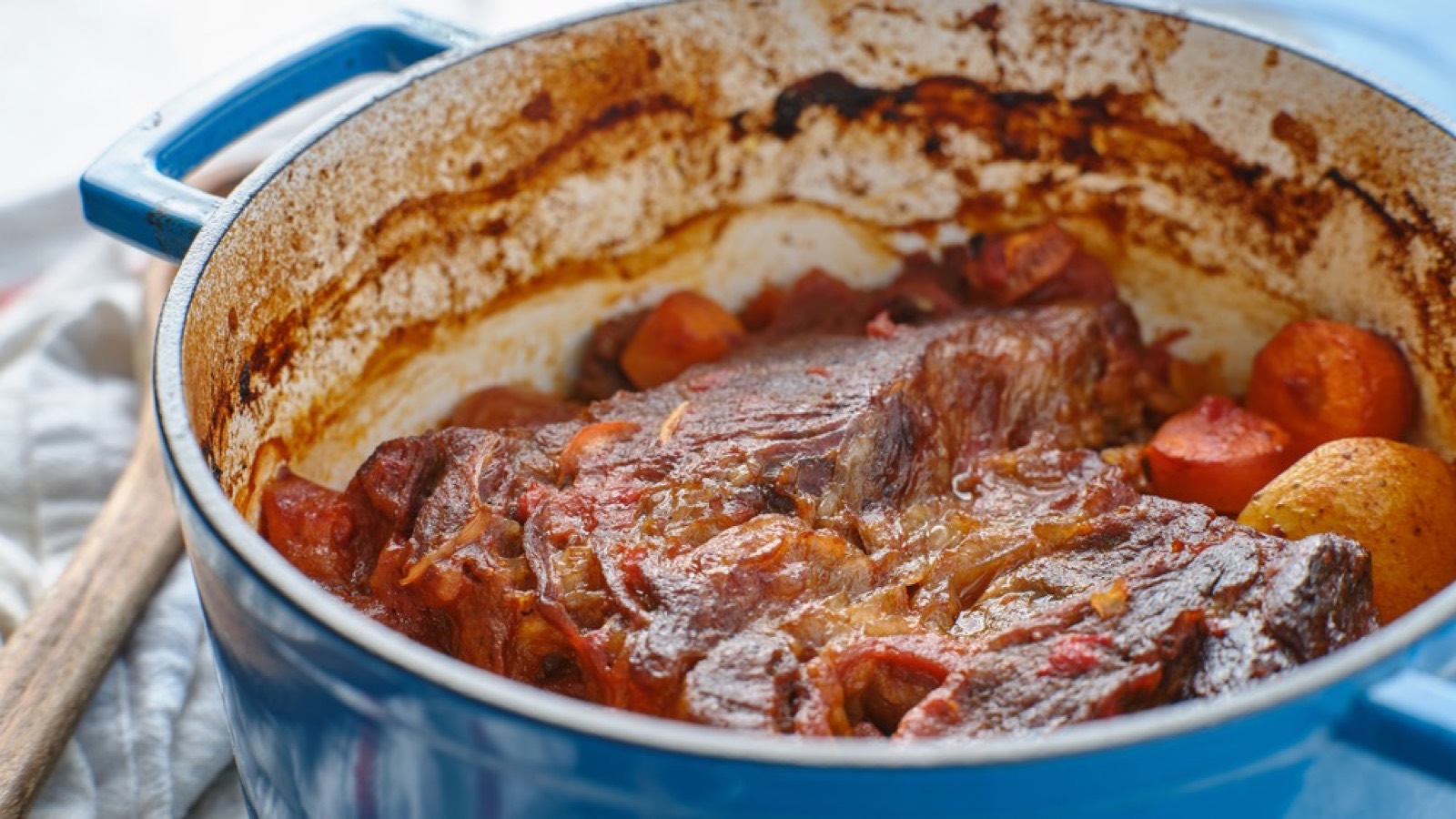
Pressure cookers can speed this up, but many cooks say long, gentle braising gives a richer flavor and a better sauce. The slow cooking breaks down the tough connective tissue in cuts like chuck roast and short ribs, turning it into tender, juicy meat.
3. Making Stock From Bones and Scraps
Grandma never bought broth in a carton. She saved chicken carcasses, beef bones and vegetable trimmings like onion ends, carrot peels and celery tops, and simmered them for hours to make stock. She used it for soups, gravies and rice.
Homemade stock has more body and flavor than most store-bought versions, and it costs almost nothing since it’s made from scraps. It also gelled when chilled, a sign of the collagen from the bones, which gave her soups that rich, silky feel.
4. Letting Bread Rise Slowly
Many grandmothers made bread on a schedule that took most of the day, or even started it the night before. They mixed the dough, kneaded it by hand and let it rise slowly in a cool spot. Some kept a sourdough starter going for years.
A slow rise gives yeast more time to develop flavor. That’s why bakeries often use long, cool fermentation for their best loaves. Quick-rise yeast and bread machines save time, but bread made the slow way usually has a deeper taste and better texture.
5. Creaming Butter and Sugar Properly
Before electric mixers were in every kitchen, Grandma creamed butter and sugar by hand with a wooden spoon until the mixture was pale and fluffy. It took real effort, but she knew it was the secret to a light cake.
Creaming beats tiny air bubbles into the butter, which expand in the oven and help the cake rise. King Arthur Baking explains how this step affects the texture of cakes and cookies. Many modern bakers rush it, which is one reason homemade cakes can turn out dense.
6. Water-Bath Canning
Every summer, Grandma’s kitchen turned into a canning factory. She put up tomatoes, peaches, pickles and jams in glass jars, boiled them in a big pot and lined them up on the pantry shelves for winter. You could hear the lids pop as they sealed.
Home-canned food tastes like summer in a jar and can be cheaper than store-bought, especially if you grow your own produce. Canning has made a comeback, but it must be done safely. The National Center for Home Food Preservation offers tested recipes and guidelines so beginners can avoid mistakes.
7. Making Pie Crust With Lard
Grandma’s pie crust was famously flaky, and her secret was often lard. Before vegetable shortening and butter took over, lard was the fat of choice for many bakers. It creates tender, flaky layers because of the way its fat crystals behave when mixed into flour.
Many professional bakers still use lard or a mix of lard and butter for the flakiest crust. It’s not the healthiest fat, so most people save it for special occasions. But if you’ve ever wondered why Grandma’s pie tasted better, that may be the answer.
8. Popping Popcorn on the Stove
Before microwave bags, popcorn was made in a heavy pot on the stove with a little oil. Grandma shook the pot back and forth over the heat until the popping slowed, then poured it into a big bowl and drizzled melted butter over the top.
Stovetop popcorn is cheaper than microwave popcorn, and you control exactly how much oil, butter and salt goes into it. It also tends to have fewer unpopped kernels. The Popcorn Board offers tips for popping it perfectly on the stove.
Why Slower Can Be Cheaper
Many of Grandma’s slow methods also save money. A cheap chuck roast braised for hours costs far less than a tender steak, yet it feeds more people. Homemade stock turns scraps into something that would cost several dollars a carton at the store. Even stovetop popcorn costs a fraction of the microwave kind per bowl.
These methods also cut down on waste and on the number of gadgets a kitchen needs. A cast-iron skillet, a heavy pot and a good wooden spoon can do most of what a cabinet full of appliances does. For families watching their budgets, that’s a lesson worth relearning.
Why These Methods Still Matter
Our grandmothers didn’t have time-saving gadgets, so they learned methods that made the most of simple ingredients. They also had a different relationship with time, with cooking treated as a central part of the day rather than something to rush through.
Not every old method is worth reviving, and many modern tools are genuinely useful. But some of Grandma’s habits, like reusing bones for stock and baking with care, can save money and taste better too. Her kitchen was full of tricks, from the tools she kept handy to the kitchen staples she kept within arm’s reach. Which of these methods do you still use, and which one do you think beats the modern shortcut?