8 Depression-Era Desserts Families Made Without Eggs, Milk or Butter
During the Great Depression, eggs, milk and butter were luxuries that many families couldn’t afford. Farm families might have their own hens and cows, but they often sold those products for cash. City families stretched every dollar and rarely had extra for baking. Later, during World War II, rationing made butter and sugar scarce too.
But people still wanted something sweet. Resourceful home cooks created desserts that skipped the expensive ingredients and used what was cheap and available, like flour, sugar, shortening, vinegar, molasses and canned goods. Many of those recipes were passed down through generations and are still made today. Here are eight Depression-era desserts that families made without eggs, milk or butter.
1. Wacky Cake
Wacky cake, also called crazy cake or Depression cake, is a chocolate cake made without eggs, milk or butter. Instead, it uses flour, sugar, cocoa, baking soda, salt, vegetable oil, vinegar, vanilla and water. The vinegar reacts with the baking soda to make the cake rise.
Many cooks mixed it right in the baking pan, making three wells in the dry ingredients for the oil, vinegar and vanilla before pouring water over the top. The result is a moist, chocolatey cake that’s still popular today, especially with people who have egg or dairy allergies.
2. Boiled Raisin Cake
Boiled raisin cake, sometimes called “poor man’s cake” or “war cake,” was made by boiling raisins with water, sugar, shortening and spices like cinnamon, nutmeg and cloves. Once cooled, flour and baking soda were stirred in, and the batter was baked.
The boiled raisins kept the cake moist without eggs or milk. It was cheap, filling and lasted for days. Variations were popular during both world wars and the Depression, when ingredients were scarce.
3. Tomato Soup Cake
Tomato soup cake may sound strange, but it was a popular recipe in the 1920s and 1930s. It used a can of condensed tomato soup along with flour, sugar, shortening, baking soda and spices. Many versions had no eggs or milk.
The soup added moisture and a reddish color, and the spices made it taste like a spice cake. Most people couldn’t tell there was tomato soup in it. Campbell’s even promoted the recipe over the years.
4. Mock Apple Pie
Mock apple pie was made without any apples at all. Instead, it used crackers soaked in a syrup of water, sugar, cream of tartar and lemon juice, flavored with cinnamon. Baked in a pie crust, it tasted surprisingly like apple pie.
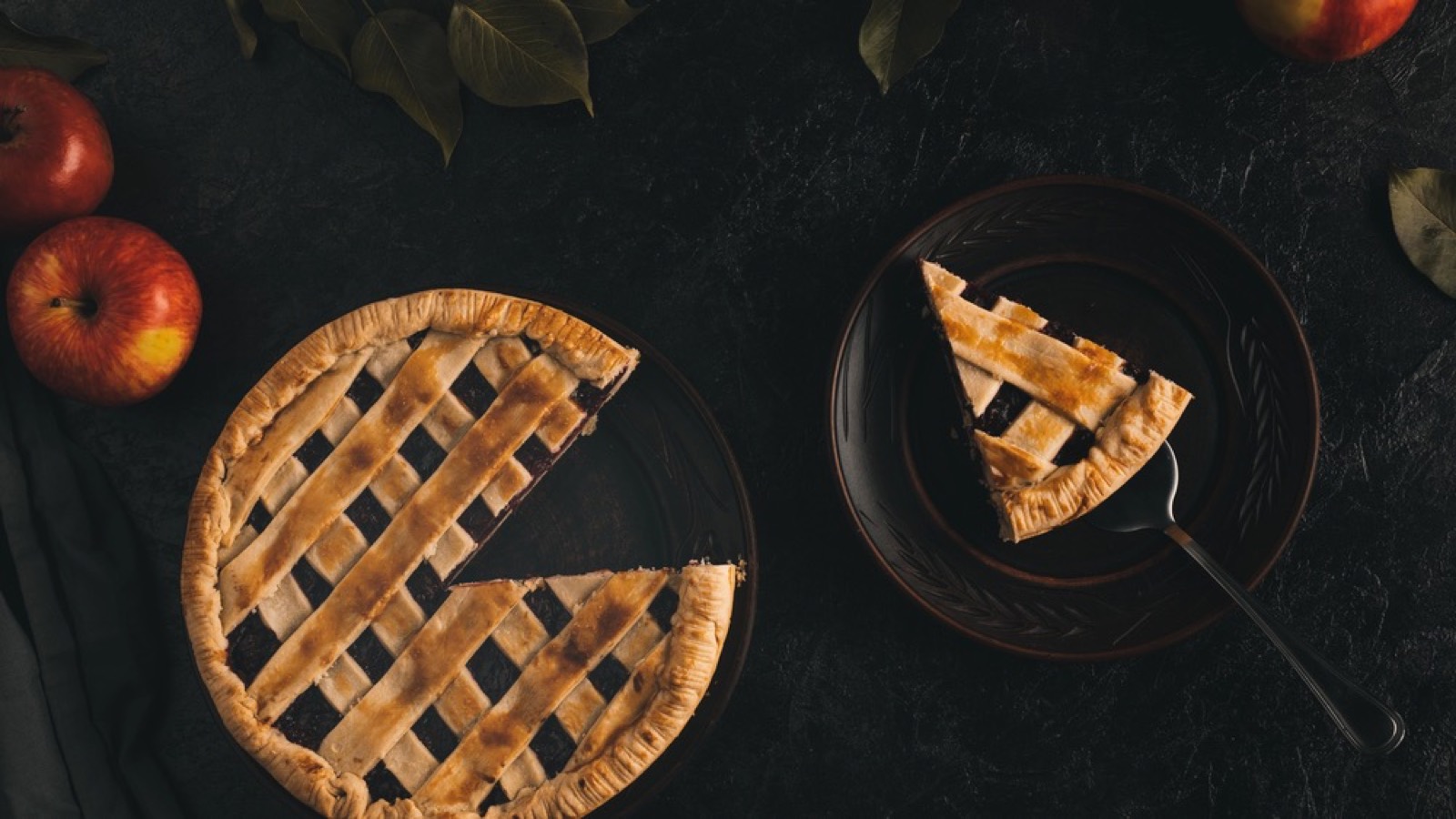
The recipe became famous when Ritz crackers printed it on its boxes in the 1930s. Many recipes call for dotting the filling with butter, but thrifty cooks used margarine or left it out. It was a clever solution for families who couldn’t afford apples.
5. Water Pie
Water pie was another Depression-era invention, made with water, sugar, flour and vanilla poured into a pie crust and baked until it set. Some cooks added a little shortening or margarine on top.
The result was a sweet, custard-like pie made from the most basic ingredients. It has had a revival on social media, where people are amazed that a pie can be made with water.
6. Applesauce Cake
Applesauce cake used applesauce to provide moisture instead of eggs and milk. It was made with flour, sugar, shortening, baking soda and spices, often with raisins or nuts added. Many families made their own applesauce from apples they grew or bought cheaply in the fall.
The cake was dense, moist and full of flavor. It was a popular dessert during hard times and is still made today as a simple, old-fashioned treat.
7. Molasses Cookies
Molasses was cheaper than sugar, so many Depression-era cooks used it in their baking. Molasses cookies were made with flour, molasses, shortening or lard, baking soda and spices like ginger and cinnamon. Many recipes skipped eggs and milk entirely.
The cookies were chewy, spicy and kept well. They were a favorite treat for kids and a common addition to lunch pails.
8. Popcorn Balls
Popcorn balls were a cheap treat made by pouring a hot syrup of sugar, corn syrup or molasses over popped corn and shaping it into balls. Some recipes called for butter, but many families made them without it.
Popcorn was inexpensive and easy to grow, so it was a common snack during the Depression. Popcorn balls were especially popular around the holidays and at school parties.
How Rationing Kept These Recipes Alive
Many of these recipes stayed popular during World War II, when sugar, butter and other ingredients were rationed. The National WWII Museum explains how rationing changed the way families cooked and ate. Home cooks shared recipes that used less of the scarce ingredients, and many Depression-era desserts found new fans. After the war, some families went back to baking with eggs, milk and butter, but others kept making the old recipes out of habit or nostalgia.
Baking With What You Had
Depression-era cooks relied on a short list of cheap ingredients. Flour, sugar, molasses, shortening, lard, baking soda, vinegar, oats, raisins and spices could be combined in dozens of ways. Many families also used what they grew or gathered, like apples, berries and nuts.
Recipes were often shared among neighbors, at church or through newspaper columns. Women swapped tips on how to make desserts without the expensive ingredients, and many of those recipes were written on index cards that have been passed down for generations. Some families still treasure those cards, stained with years of use.
A Taste Worth Keeping
Many people who try these desserts today are surprised by how good they are. Wacky cake in particular has a devoted following, and some bakers say they prefer it to cakes made with eggs and butter.
Why These Desserts Still Matter
Today, many of these desserts are popular with people who have food allergies or follow vegan diets. They’re also a reminder of the creativity and resilience of the people who lived through hard times. These recipes show that even with very little, it’s possible to make something delicious.
Many families still make these desserts in memory of the grandparents who taught them, just as they hold on to the other ways Depression-era grandparents made do at home. Which of these desserts did your family make, and do you still bake it today?