8 Ways Grandma Made Cheap Cuts of Meat Taste Expensive
Grandma rarely bought filet mignon or rib-eye steaks. On a tight budget, she reached for chuck roasts, round steaks, brisket, pork shoulder and other tough, inexpensive cuts that most people walked right past at the meat counter. And yet, somehow, her Sunday pot roast melted in your mouth, and her Swiss steak tasted like something from a fine restaurant.
Her secret wasn’t fancy ingredients or expensive equipment. It was patience, a few clever techniques and a deep understanding of how to coax flavor and tenderness out of cheap meat. Many of those methods are backed by food science, and they’re just as useful today as grocery prices keep climbing. Here are eight ways Grandma made cheap cuts of meat taste expensive.
1. She Cooked Them Low and Slow
Grandma knew that tough cuts like chuck roast, brisket and pork shoulder need time. These cuts come from hard-working muscles that contain a lot of connective tissue, which makes them chewy if they’re cooked quickly. But when they’re cooked slowly at a low temperature with some liquid, that connective tissue breaks down into gelatin, leaving the meat tender and juicy.
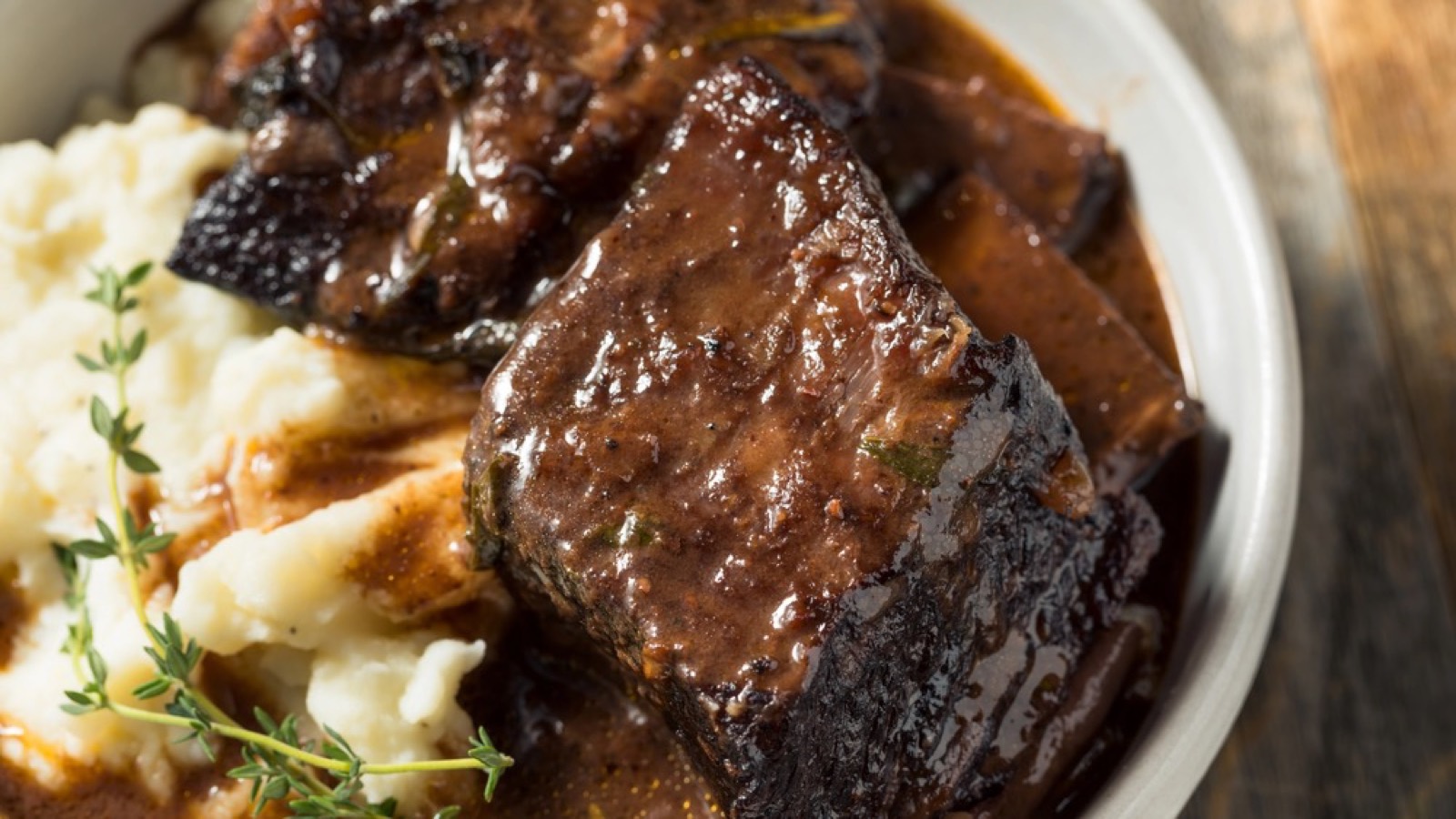
That’s why her pot roast spent hours in a covered Dutch oven or roasting pan with broth, onions, carrots and potatoes. The University of Nebraska–Lincoln explains how cooks can bring out the best in every beef cut by matching it with the right cooking method. A slow cooker works the same way and makes the process even easier today.
2. She Browned the Meat First
Before Grandma added any liquid to the pot, she seared her roast or stew meat in a hot, heavy skillet. Browning the outside of the meat creates a deep, savory crust and rich flavor through a process called the Maillard reaction. It also leaves browned bits on the bottom of the pan that add flavor to the gravy.
She usually patted the meat dry and dusted it with flour, salt and pepper before browning. That extra step helped thicken the sauce later on. It only takes a few minutes, but it’s one of the biggest differences between a bland roast and a delicious one.
3. She Marinated Tough Steaks
Cheaper steaks like flank, round and skirt can be chewy if they’re simply thrown on the grill. Grandma often soaked them overnight in a marinade made with vinegar, lemon juice, wine, buttermilk or Italian dressing. The acid helps soften the surface of the meat and adds plenty of flavor.
A simple marinade of oil, vinegar, garlic, soy sauce and a little sugar can turn an inexpensive steak into something special. Michigan State University Extension notes that beef cut names and cooking methods can be confusing, but knowing which cuts need extra help makes shopping easier. Always marinate meat in the refrigerator, not on the counter.
4. She Pounded and Tenderized the Meat
Grandma’s kitchen drawer almost always held a meat mallet. She pounded thin cuts of round steak to break up the tough muscle fibers, then used them for Swiss steak, country-fried steak or chicken-fried steak. Butchers also sold cube steak, which had already been run through a tenderizing machine.
Pounding meat makes it thinner and more even, so it cooks faster and stays tender. Swiss steak was a favorite, with round steak pounded with flour, browned and simmered in a tomato and onion sauce until fork-tender. Served over mashed potatoes, it tasted like comfort on a plate.
5. She Sliced Against the Grain
One of the simplest tricks Grandma used was cutting meat across the grain. Every cut of meat has muscle fibers running in one direction, which look like thin lines. Slicing across those lines, instead of along them, shortens the fibers and makes each bite much easier to chew.
This makes a big difference with cuts like flank steak, brisket and London broil. Even a perfectly cooked steak can taste tough if it’s sliced the wrong way. Cutting thin slices at a slight angle also helps the meat look more appealing on the plate.
6. She Used a Pressure Cooker
Many grandmothers owned a stovetop pressure cooker long before electric versions became popular. Cooking under pressure raises the boiling point of water, which helps tough cuts become tender in a fraction of the time. A pot roast or beef stew that took all afternoon in the oven could be ready in about an hour.
Pressure cookers were a big help to busy moms who wanted to serve cheap cuts on a weeknight. Today’s electric pressure cookers work the same way and are much easier to use. They’re a great tool for anyone trying to save money on meat.
7. She Brined and Cured Meat
Corned beef, made from brisket cured in a salty brine with spices, was a classic way to turn a tough cut into a tender, flavorful meal. Grandma also soaked pork chops and chicken in salt water before cooking to help them stay juicy. A brine helps the meat hold on to moisture, so it doesn’t dry out as easily.
A basic brine is just water, salt and sometimes a little sugar, with herbs or spices for extra flavor. Even a short soak of an hour or two can make a big difference with lean cuts like pork loin or chicken breast. It’s an easy trick that makes inexpensive meat taste much more expensive.
8. She Made Rich Gravy From the Drippings
Grandma never threw away the drippings left in the pan after cooking a roast. She stirred in flour, then slowly whisked in broth, milk or water to make a rich, savory gravy. That gravy turned even a modest piece of meat into a satisfying meal.
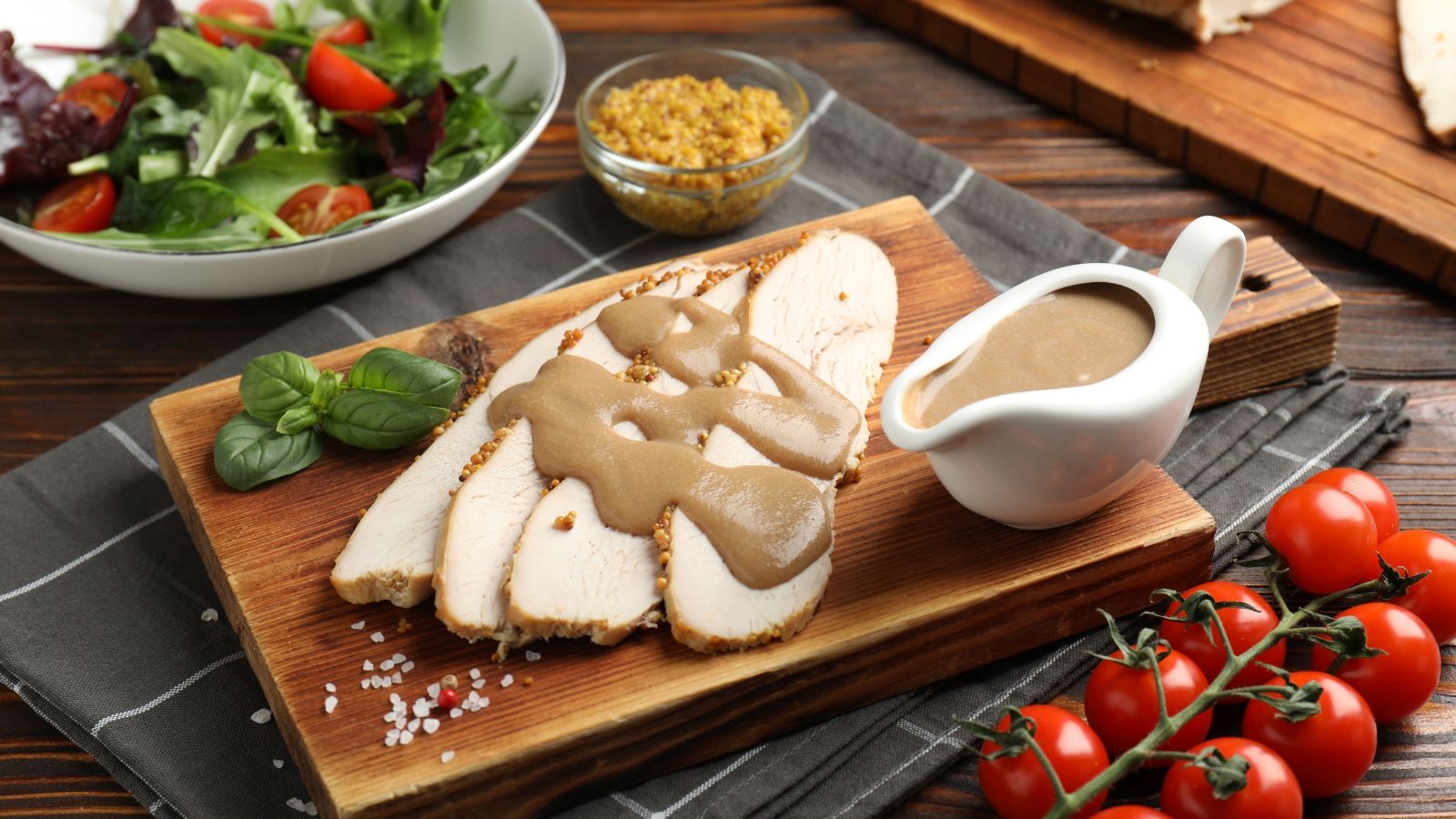
She also used leftover bones and scraps to make broth, which added flavor to soups, stews and sauces later in the week. Nothing went to waste, and every bit of flavor was put to use. Many of the old-fashioned foods Grandma made, from pot roast to Swiss steak, depended on a good gravy.
Cheap Cuts Worth Buying Today
Many of the cuts Grandma relied on are still among the best values at the grocery store. Chuck roast, bottom round, brisket, pork shoulder, chicken thighs and beef shanks are full of flavor and usually cost less than premium steaks. South Dakota State University Extension offers helpful tips for buying beef at the grocery store, including how to read labels.
These cuts are also perfect for batch cooking and freezing. A large pork shoulder can become pulled pork sandwiches, tacos and soup, while a chuck roast can stretch into several meals. Smoking or grilling tough cuts low and slow is another option, and these perfect BBQ tips can help you get started.
Cooking Like Grandma
The biggest lesson from Grandma’s kitchen is that great meals don’t require expensive ingredients. With a little time, a few simple techniques and plenty of patience, cheap cuts can taste just as good as pricey ones. Always cook meat to a safe internal temperature and use a food thermometer to be sure.
Many families still treasure Grandma’s pot roast or Swiss steak recipes, and they’re worth passing down. Trying one of her methods this weekend could save money and bring back some wonderful memories. What was your grandmother’s secret for making cheap cuts of meat taste delicious?