7 Things Boomers Kept for Decades That Their Kids May Keep Only in Photos
The first thing someone says about the old entertainment center is usually, “That cost a fortune.” The second is, “Where would I put it?” Both are fair questions, even if only one of them is phrased as a question. A cabinet bought after months of saving can still feel like a good purchase decades later.
The person being offered it may be picturing a narrow staircase and a living room that’s already furnished. Senior move specialist Jennifer Pickett described that gap to Forbes. Younger relatives may have homes of their own, with furniture they chose and little room for anything else. The same object can bring back a whole chapter of life for one person and leave another reaching for a tape measure.
The Entertainment Center built around an Old Television
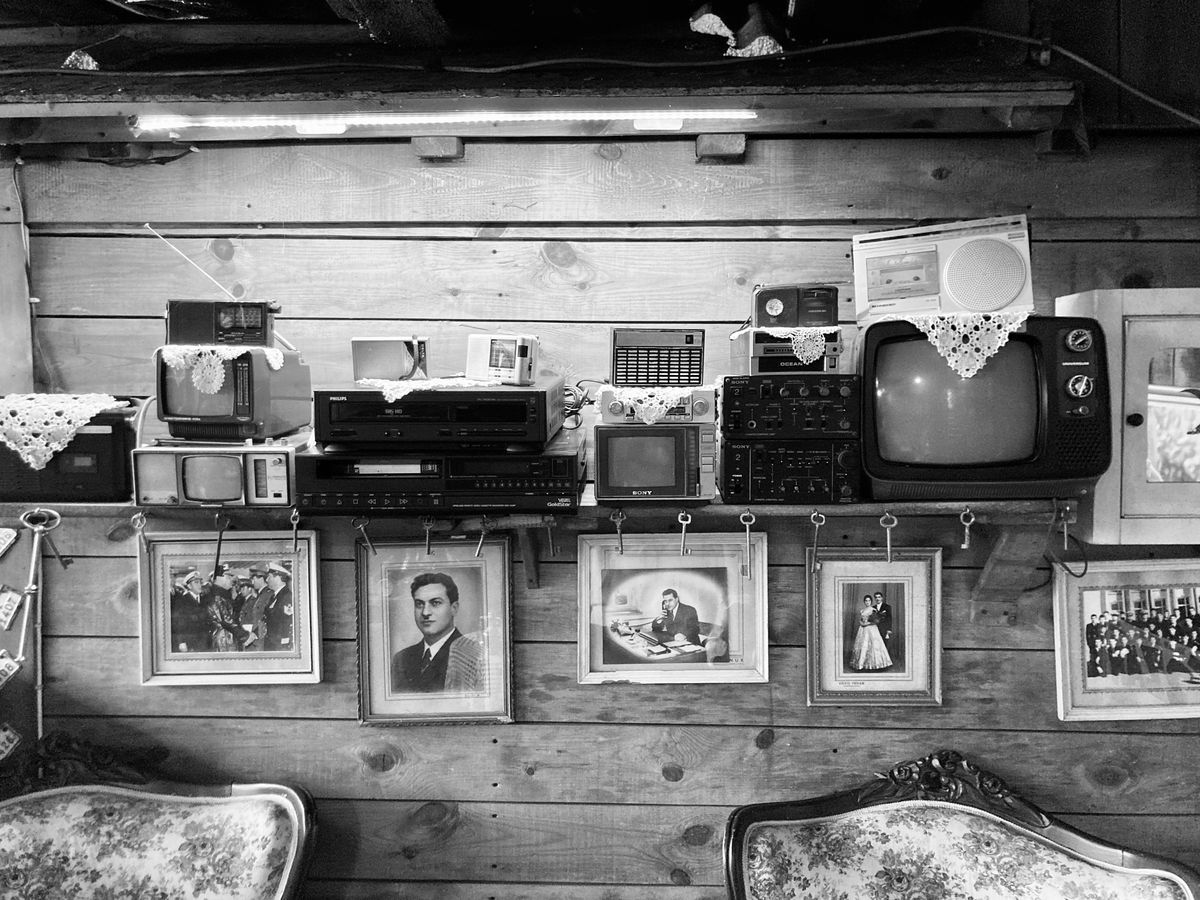
There was a time when buying a television also meant figuring out where to put the cable box, the speakers, and all the cords. An entertainment center handled the whole mess. Close the doors and the living room looked tidy again. If the cabinet still does that job, its owner has a perfectly good reason to keep it.
The offer lands differently when the next household has a wide TV that won’t fit the opening. Auction house Lion & Unicorn lists oversized entertainment centers among the furniture that can struggle at estate sales. Even a sturdy, well-made cabinet needs a buyer who can fit it through the door and spare the wall space.
The VCR with a Tape Still Inside
Before watching a show whenever you wanted became routine, recording it meant setting the VCR and hoping you’d programmed it correctly. The same machine could play a rented movie on Friday night and show birthday-party footage on Saturday.
That last job may explain why the VCR is still around. Somewhere in the stack of tapes, a grandparent might be telling a story in a voice everyone has forgotten how to imitate. A younger relative can want that recording badly and still have little use for the player afterward. There are VHS enthusiasts who’d welcome a working machine, especially if they already have tapes to play.
The Encyclopedia Set That took up an Entire Shelf
Open an old encyclopedia, and you might find a school assignment tucked between the pages. That’s part of the charm. For the person who bought the set, those matching volumes may recall years of helping children look up an answer at the dining room table.
The child who once needed those books may now have children who can look up a country’s current population in seconds. Giving over a whole shelf to a reference set is a harder sell when much of the information has aged. Forbes identifies outdated encyclopedias as difficult resale items. An intact set can still be a pleasure to browse, especially if you’re curious about what counted as common knowledge when it was printed.
The Bread Machine with Its Original Measuring Cup
A bread machine made a persuasive promise. Measure the ingredients, press a few buttons, and come back to a fresh loaf. TASTE traces the appliance’s rise in American kitchens in the 1990s and the cooling of that first wave of enthusiasm.
For some owners, the bread machine earned its space years ago. They know where the paddle is, which recipe works, and when to start a loaf so it’s ready for dinner. Those habits are harder to hand down than the appliance. In a kitchen where someone already has to move the toaster to open a cupboard, even a machine with a working timer and every original accessory can be a tough fit.
The Typewriter that Still has a Ribbon
A typewriter can bring back the first job application someone sent or the letters they used to write every Sunday. Even the sound of the keys can be reason enough to take it out of its case from time to time.
A younger relative might enjoy typing a few lines and still wonder where to keep it. A collector may be delighted to take it home. SebastianCharles Auctions points to the model, condition, rarity, and original accessories as factors that can affect what an old typewriter is worth. The name on the machine and whether the keys still work can tell you more about its prospects than its age alone.
The Slide Projector that brought Everyone into the Living Room
You dimmed the lights, found a blank wall, and waited for the first slide. The Kodak Carousel, introduced in 1961, held 80 slides in a circular tray. That was enough for a long evening if somebody insisted on explaining every stop on the trip.
The projector still has a job if it’s the easiest way to see what’s in those trays. A younger relative may be more interested in scanning the slides and sending them to cousins. That can give the pictures a wider audience, especially if someone sits down with the person who remembers whose house it was and why everyone was dressed up.
The figurines that mark Birthdays and Anniversaries
To a visitor, the figurines may look like a matched set. Their owner knows which one came from a sister and which one was an anniversary gift. Forbes lists figurines among belongings that can be hard to sell.
Within a family, though, somebody might want the one they remember dusting as a child. Asking which piece they’d choose can start a better conversation than asking who’ll take the cabinet.