9 Snacks Sold at Corner Stores in the 1960s That Have Disappeared
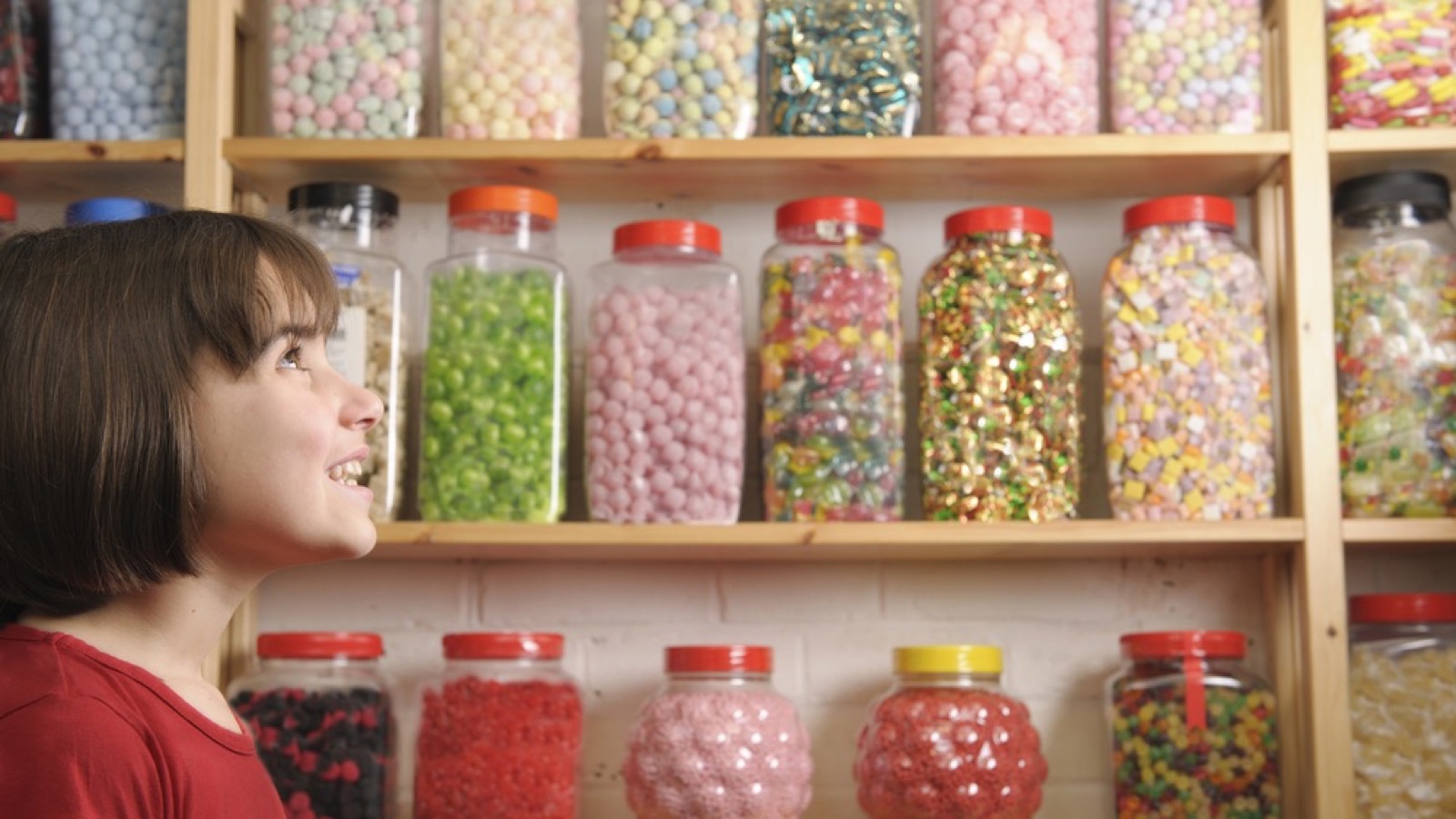
In the 1960s, the corner store was a kid’s version of paradise. You walked in with a few coins from your allowance or the deposit on some empty soda bottles, and the whole world of candy was right there at eye level. The bars were stacked in neat rows by the register, and choosing just one could take a very long time.
Many of the snacks from those counters are still around, like Snickers, Tootsie Rolls and Hershey bars. But plenty of others quietly vanished. Some were swallowed up when candy companies merged, others lost a fight over a name, and a few were pulled off shelves almost overnight.
If you grew up spending your nickels and dimes at the neighborhood store, a few of these names might bring back a rush of memories. Here are nine snacks from 1960s corner stores that have disappeared.
1. The Seven Up Candy Bar
This was the bar for kids who couldn’t make up their minds. The Seven Up bar from Pearson’s Candy Company was split into seven little sections, and each one held a different filling. According to Chowhound, the original lineup included caramel, vanilla cream, maple walnut, Brazil nut caramel, apple butter jelly, chocolate pudding and coconut cream.
The bar had been around since the 1930s, but it couldn’t last forever. In 1979, Pearson’s stopped making it and gave up the name after the makers of the 7Up soft drink claimed it. The changing flavor combinations also made the bar costly to produce. Fans still talk about it today, and many say no modern candy has matched it.
2. Caravelle
Peter Paul, the company behind Mounds and Almond Joy, launched the Caravelle bar in 1965. It was a mix of smooth caramel and crispy puffed rice coated in milk chocolate. Lovefood notes that it was made to compete with the 100 Grand bar from Nestlé.
For a little more than a decade, it was a familiar sight at the counter. Then, after Peter Paul merged with Cadbury Schweppes in 1978, the Caravelle was dropped. Because it was only around for a short time, it has become a bit of a cult favorite, and plenty of people who grew up in the late 1960s still remember the name.
3. The Milkshake Bar
The Milkshake bar was made by the Hollywood Candy Company, and the name was a perfect fit. It had fluffy malted milk nougat and caramel, all coated in milk chocolate. Fans have said it tasted like a milkshake you could hold in your hand.
The bar dates back to the 1920s and was a corner store staple for decades. Cheapism reports it began fading in the late 1970s as the Hollywood company went through years of corporate turmoil, and it was gone from shelves by the 1990s. Hollywood also made a spin-off called the Big Time bar, which added peanuts for extra crunch.
4. Butter-Nut
Another Hollywood Candy Company favorite, the Butter-Nut bar, was a nutty chocolate bar that was popular as far back as the 1920s. It stuck around for decades and was still a familiar name at many small stores when boomers were kids. People who remember it often compare it to a Butterfinger or a Snickers.
Its run ended after Hollywood was sold in 1967. Like many regional bars of that time, it faded quietly instead of going out with a big farewell. That’s one reason many people today have never heard of it, while their parents can still picture the wrapper.
5. PowerHouse
Peter Paul’s PowerHouse bar was a big, hefty treat for kids who wanted something that would last. It was about two ounces of chewy caramel, fudge and peanuts, all covered in milk chocolate. It was launched in the 1950s and sold well into the following decades.
The PowerHouse was a corner store regular throughout the 1960s and 1970s, but it eventually lost ground to bars like Baby Ruth and Big Hunk. By the mid-1980s, it had been quietly phased out. For many boomers, it was the bar you bought when you had a little extra money and a big appetite after school.
6. Old Nick
Old Nick was made by the Schutter-Johnson Company of Chicago, the same city that was home to many famous candy makers. It was a compact bar of fudge, caramel and peanuts in milk chocolate. It was a common choice at the counter for kids who wanted something chewy and nutty.
Old Nick was discontinued in the 1960s, which means many younger boomers barely caught the end of its run. Older boomers, though, often remember it as one of the bars they reached for first. It’s a good reminder of how many small candy companies once filled the shelves before the big brands took over.
7. The Sky Bar
The Sky Bar had a clever design that made it stand out. It was split into four molded chocolate pockets, each with a different filling: caramel, vanilla, peanut and fudge. Kids loved to break off one section at a time and save their favorite for last.
Necco launched it in 1938, and it lasted for 80 years. When Necco went out of business in 2018, the Sky Bar disappeared too. A small store in Sudbury, Massachusetts, brought it back on a very limited scale in 2019, but for most of the country it’s essentially gone from store shelves. Like many boomer favorites, it lives on mostly in memories.
8. Oh Henry!
Oh Henry! may be the bar on this list that lasted the longest. It was created by Chicago’s Williamson Candy Company in 1920, and it combined roasted peanuts, chewy caramel and fudge, all coated in milk chocolate. In the 1960s, it was one of the most familiar names at the counter.
The bar changed hands over the years, and its American run eventually came to an end. As Lovefood notes, it was discontinued in the United States in 2019, though a different version is still sold in Canada. That means anyone who wants a taste has to look north of the border or hunt for an import.
9. Fizzies Drink Tablets
Not every corner store treat was candy. Fizzies were little tablets that you dropped into a glass of water to make an instant fizzy fruit drink. Kids loved watching them bubble and fizz, and many people still recall the bright little wrappers stacked near the register.
Tasting Table explains that Fizzies came from the company that made Bromo-Seltzer and debuted in Pennsylvania in 1956. The original tablets used cyclamate as a sweetener, and when that ingredient was banned in the U.S. in 1969, the product was discontinued. Fizzies came back a few times in later years, but they had disappeared from shelves again by 2016.
Those Nickels Went a Long Way
The corner store was about more than candy. It was a place to meet friends, check out the comic books and feel grown-up handing your own money across the counter. Along with things like rotary phones and milk bottles, it’s one of those nostalgic items that younger generations have only heard about.
So which of these did you buy most often? Was it the Seven Up bar, the PowerHouse or a pack of Fizzies? Tell us in the comments, and share the long-gone snack you’d bring back if you could.