Why Home Cooks Say They’ll Never Bake Meatloaf in the Oven Again
For generations, meatloaf meant one thing. You packed ground beef into a glass or metal loaf pan, slid it into a 350-degree oven, and waited well over an hour while the kitchen filled with the smell of ketchup glaze. It was the Tuesday supper of a million American homes, and it still shows up on lists of diner classics people order again and again.
Lately, though, a lot of home cooks are breaking up with that old routine. Some have moved meatloaf out of the oven entirely and into the slow cooker or the air fryer. Others have kept the oven but tossed the loaf pan, shaping the meat free-form on a sheet pan instead.
The reasons come up again and again in test kitchen notes and recipe comments. Cooks complain about greasy bottoms, pale sides, ends that dry out while the middle lags behind, and a pan that needs a long soak. So what are people doing instead, and what do the test kitchens say about it? Here is a look at the switch.
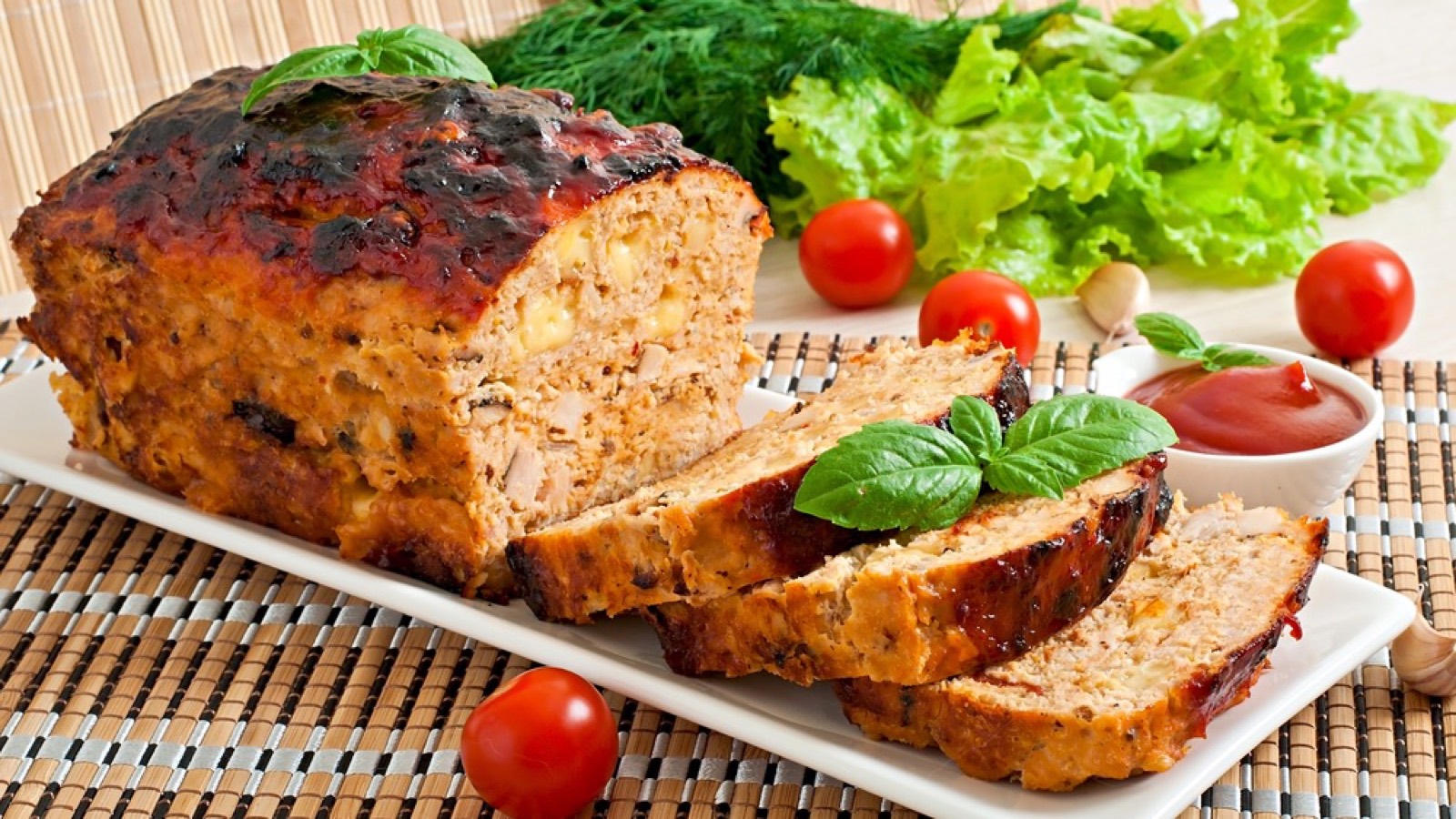
The Trouble With the Classic Loaf Pan
The loaf pan does one thing well. It gives meatloaf that neat brick shape that slices like a picture in an old cookbook. But it also traps the meat in its own fat, so the bottom and sides can turn soft and steamy instead of browned.
Cleanup is another common gripe. A Daily Meal piece on sheet-pan meatloaf points out that glaze tends to burn onto the sides of a loaf pan and food collects in the corners. The same piece quotes Ree Drummond noting that her regular loaf can take up to an hour and a half. On a busy weeknight, that is a long time to wait for supper.
Then there is the shape itself. A deep, thick loaf takes a long time to cook through in the center, and the outside can overcook while you wait. That is the main problem every alternative below tries to solve in its own way.
The Slow Cooker Switch
For cooks who want dinner ready when they walk in the door, the slow cooker has become a favorite meatloaf method. America’s Test Kitchen developed a slow cooker meatloaf that uses a simple trick. The loaf is shaped on a folded foil sling, lowered into the cooker, and lifted out at the end.
The test kitchen explains that its early slow cooker meatloaves came out messy and hard to serve, so the sling solved two problems at once. It lets the cook lift the loaf out cleanly and leave the extra fat behind in the pot. The recipe cooks on low for about two to three hours, then gets a quick trip under the broiler with the rest of the glaze to turn the top bubbly and browned.
Fans of this method like that it frees up the oven for potatoes or a pan of cornbread. They also say the gentle heat keeps the loaf from drying out at the ends. The one catch is that you still want that final broil, or the top stays pale.
The Air Fryer Switch
The air fryer has turned meatloaf into a quicker meal for small households. Instead of one big loaf, many recipes make two small ones that fit in the basket. America’s Test Kitchen’s air fryer meatloaves are a good example, with two free-form loaves about 5 by 3 inches each.
The test kitchen says the smaller loaves cook faster and give you more surface area for glaze. Its recipe cooks at 350 degrees for 25 to 30 minutes until the loaves reach 160 degrees, with a second coat of glaze brushed on halfway through. It also uses a foil sling so the loaves are easy to turn and lift out.
People who cook for one or two often love this method most. There is no giant loaf to work through all week, and the hot circulating air gives the outside a nice crust. Anyone shopping for a countertop oven to do the job can compare a few air fryer toaster ovens that hold small loaf shapes easily.
The Free-Form Sheet Pan Switch
Not everyone has left the oven behind. Plenty of cooks still bake meatloaf, but they have ditched the loaf pan and shape the meat by hand on a rimmed sheet pan. Ina Garten is one of the best-known fans of this method.
According to Tasting Table, Garten shapes her meatloaf on a parchment-lined sheet pan and keeps it the same thickness from end to end. Her reasoning is simple, since a loaf that is thicker in one spot will overcook in another. With the meat out in the open, the fat can run off and the whole surface gets a chance to brown.
America’s Test Kitchen took the idea even further with its sheet pan meatloaf, which bakes a free-form loaf on a rack on one side of the pan and red potatoes on the other. Supper and the side dish come out together, and there is one pan to wash. Food Network Kitchen has its own flat glazed version that spreads the meat thin so every slice gets plenty of sticky glaze.
What All These Methods Have in Common
Look closely and the same ideas show up in every switch. Cooks want the fat to drain away from the meat, they want more browned surface, and they want the loaf to cook evenly from end to end. A foil sling, a smaller loaf, or a flatter shape all get you there.
Test kitchens also lean hard on a thermometer instead of guesswork. Their recipes cook meatloaf to between 155 and 160 degrees in the center, depending on the method, and then let it rest before slicing. Resting gives the juices a chance to settle so the slices hold together instead of crumbling.
Another common thread is the glaze. Almost every modern recipe brushes it on in two stages, once at the start and once near the end. The first coat sets and the second coat sticks, which gives the top that shiny, candied look people remember from their mother’s kitchen.
Is the Loaf Pan Gone for Good?
Probably not. Plenty of families still want that tall, neat slice, and some people simply like the way a loaf pan meatloaf looks on a platter. For a traditional cook, there is comfort in a method that has worked for generations.
But the switch is real, and it is easy to see why. A slow cooker meatloaf waits for you, an air fryer meatloaf is ready in half an hour, and a sheet pan meatloaf gives you supper and potatoes in one go. Each one fixes at least one thing people have grumbled about for decades.
A Classic Supper, Just Done Differently
Meatloaf has always been a practical dish, made from what was in the fridge and stretched with bread or crackers. It makes sense that home cooks would keep finding more practical ways to make it. The ingredients have barely changed, but the pan and the appliance have.
So the next time someone at the table says your meatloaf tastes better than ever, you can just smile. You do not have to mention that it never saw the inside of a loaf pan. Which method has your family switched to, or are you sticking with the oven for good?