10 Things Boomer Wives Did That Younger Women Refuse to Do
Ask a woman who married in the 1960s or 1970s what was expected of a wife, and you’ll hear a long list. Many boomer wives ran the house, raised the kids, kept dinner warm and still found time to iron their husbands’ shirts. They did it with very little help, and most of them didn’t think twice about it.
Their daughters and granddaughters see marriage very differently. Younger women tend to expect a true partnership, and many of the old habits have quietly fallen away. Some of those changes make perfect sense, while others leave older women shaking their heads and wondering if something valuable got lost.
This isn’t about one generation being better than the other. Both have strong opinions, and both have a point or two worth hearing. Here are 10 things boomer wives did that many younger women simply won’t do today.
1. Took Their Husband’s Last Name Without Question
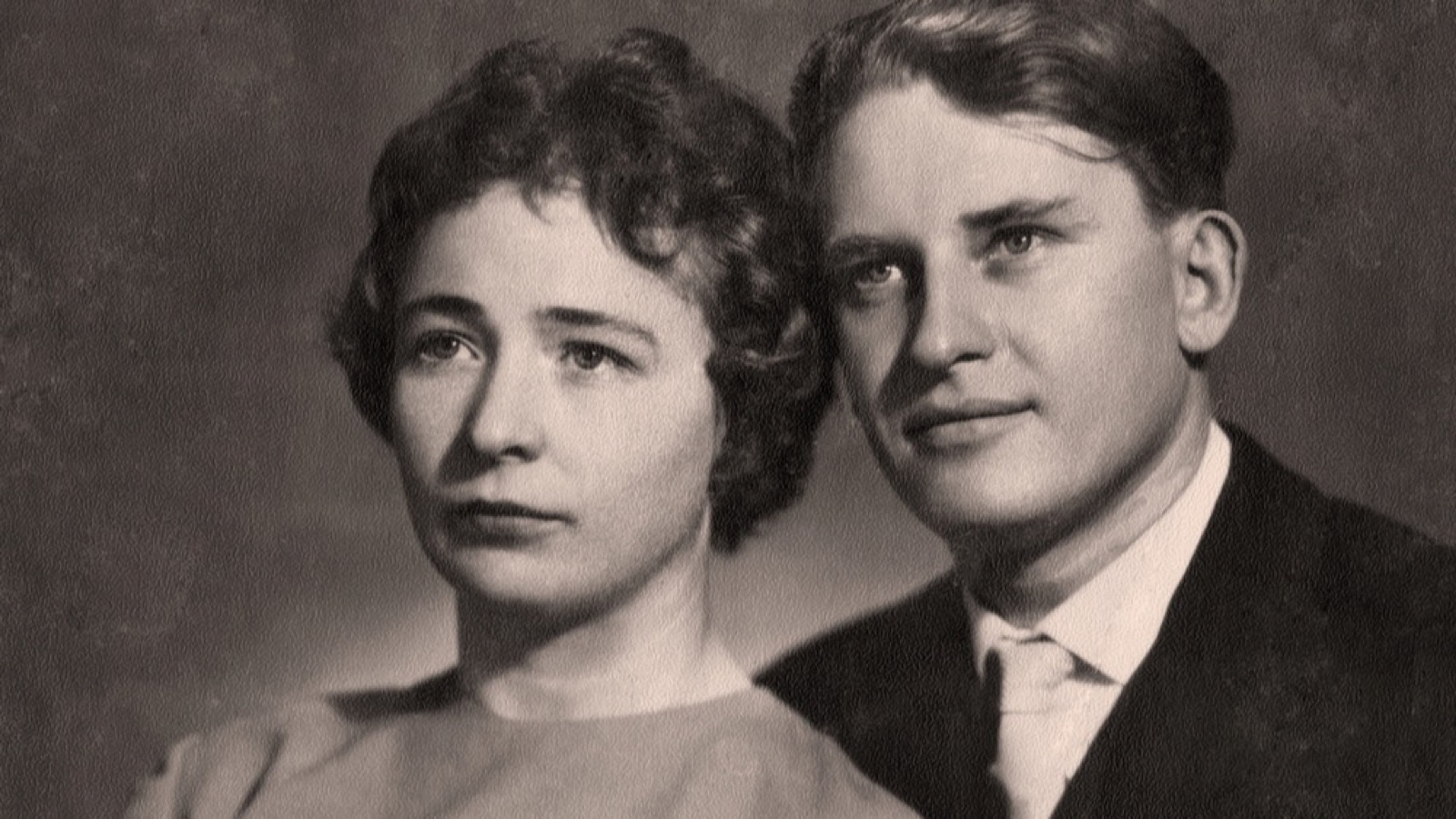
For most boomer brides, changing your last name wasn’t really a decision. It was simply what happened after the wedding, along with the new monogrammed towels. Many women even went by “Mrs. John Smith” on invitations and letters.
That’s shifting with younger wives, though most married women still take their husband’s name. A 2023 Pew Research Center survey reported by CBS News found that 79% of married women had done so. But 20% of married women ages 18 to 49 kept their own last name, compared with just 9% of those 50 and older.
2. Married in Their Early 20s
Many boomer women were engaged before they finished college, and some married right out of high school. Being single at 25 could set relatives whispering. Weddings were a rite of passage that came early, and starting a family soon after was expected.
Today’s women are in much less of a hurry. According to the U.S. Census Bureau, the median age at first marriage for women was 28.6 in 2024, up from 21.1 in 1974. Many younger women want to finish school, build a career or travel before settling down.
3. Stayed Home Once the Kids Arrived
For many boomer wives, having a baby meant leaving work, often for good. The family ran on one paycheck, and Mom handled everything inside the home. The Pew Research Center found that in 1970, 40% of all mothers were stay-at-home moms with working husbands.
By 2012, that share had dropped to 20%. Younger women often expect to keep their careers after having children, or at least to make that choice for themselves. Some still choose to stay home, but it’s usually a decision the couple makes together rather than an assumption.
4. Had Dinner Ready at Six Sharp
In many boomer households, dinner was on the table when Dad walked through the door. The meal was usually homemade, with meat, a starch and a vegetable, and the whole family sat down together. It was a daily routine that kept the house running like clockwork.
Younger couples are far more flexible. Dinner might be at 7:30, cooked by whoever gets home first, or picked up on the way home. Many younger wives say they love to cook, but they refuse to treat it as a job that belongs only to them.
5. Ironed His Shirts Every Week
Plenty of boomer wives spent hours each week at the ironing board, pressing shirts, slacks and even handkerchiefs. A crisp shirt was seen as a reflection of a well-run home. Some women took pride in it, while others simply saw it as part of the job.
Many younger women would rather their husbands iron their own clothes or buy wrinkle-free ones. It’s one of those housekeeping habits that has faded from a lot of homes. These days, a trip to the dry cleaner or a quick steamer usually settles the matter.
6. Let Him Handle the Bills
In many boomer marriages, the husband managed the checkbook and made most of the big money decisions. Part of that was custom, and part of it was law. As Fortune explains, before the Equal Credit Opportunity Act of 1974, lenders could require women to have a male cosigner for a credit card or loan.
Younger wives generally expect to know where the money goes and to have a say in it. Many keep accounts in their own name, and couples often split the bill-paying duties. Older women sometimes admit they wish they’d been more involved back then.
7. Promised to “Obey” in Their Vows
Some older wedding ceremonies asked the bride to “love, honor and obey,” while the groom made a slightly different promise. For many boomer brides, those words were simply part of the traditional service. Few thought much about them at the time.
Many younger brides insist on identical vows or write their own. They want the promises at the altar to be the same for both people. Some older women find that refreshing, while others say marriage is about commitment, not the exact wording.
8. Hosted Every Holiday Gathering
Thanksgiving, Christmas and Easter often took place at Mom’s house, with her cooking for days ahead of time. She polished the silver, set out the good china and made sure every relative had their favorite dish. It was exhausting, but it was also a point of pride.
Younger women are more likely to divide the hosting, order part of the meal or celebrate with friends instead. Many say they don’t want to spend the whole holiday in the kitchen while everyone else relaxes. Grandmothers often admit they understand, even if they miss the big family table.
9. Kept Marriage Troubles Private
Boomer wives were often raised to keep family problems inside the family. You didn’t air your dirty laundry, and you certainly didn’t talk to strangers about your husband. Many women leaned only on a sister, a close friend or the pastor.
Younger women are much more open about the ups and downs of marriage. They talk to friends, read books, see counselors and sometimes share their stories online. Older women can find that surprising, though many agree that having more support would have helped them too.
10. Put Him First at the Table
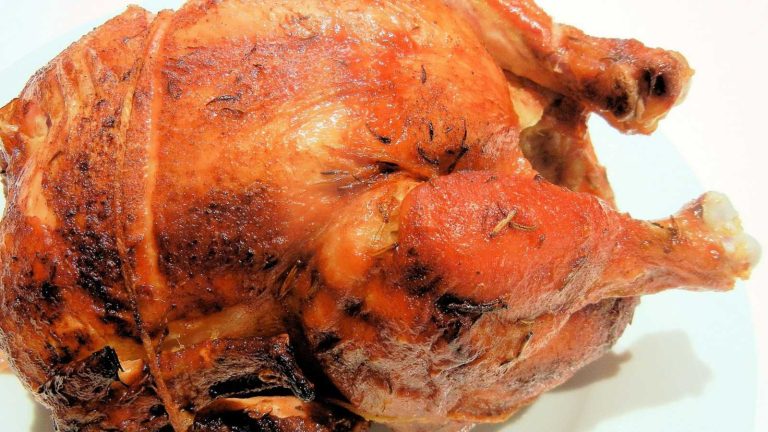
In plenty of boomer homes, Dad got the first plate, the biggest piece of chicken and his favorite chair. Wives often served everyone else before sitting down themselves. It was a quiet sign of respect, and many women did it without being asked.
Younger women usually see mealtime as a shared affair, where everyone serves themselves. Still, some older women believe those timeless boomer habits of looking after one another deserve a comeback. The best answer may be somewhere in the middle, with both partners taking care of each other.
Two Generations, One Goal
Boomer wives and younger women may run their homes differently, but most want the same thing in the end. They want a marriage built on love, respect and a partner who shows up. The habits change, but the hope behind them stays remarkably similar.
Older women still have plenty of wisdom to share, and these pieces of boomer advice prove it. Which of these habits did the women in your family follow? Would you bring any of them back, or are you glad they’re gone?