Why You Should Add a Spoonful of Mayonnaise to Your Boxed Cake Mix
Mayonnaise belongs on a turkey sandwich, in potato salad and maybe in a bowl of deviled eggs. Putting it in a birthday cake sounds like a joke, or at least like something only a very brave baker would try. Most people wrinkle their nose at the idea before they ever taste the result.
But this odd-sounding trick has been around for close to a century, and plenty of grandmothers swore by it. Bakers and test kitchens say a scoop of plain mayo can turn an ordinary boxed cake mix into a cake that tastes richer, softer and more homemade. Best of all, nobody at the table will ever guess what’s in it.
If your boxed cakes sometimes come out a little dry or crumbly, this might be the easiest fix in your fridge. Here’s why mayonnaise works so well in cake, how much to use and where this surprising kitchen secret came from.
It’s Not as Strange as It Sounds
Once you think about what’s in a jar of mayonnaise, the idea makes a lot more sense. Mayo is mostly oil and egg yolks, whipped together with a little vinegar or lemon juice. Oil and eggs are two of the main things a boxed cake mix already asks you to add.
As America’s Test Kitchen explains, mayonnaise is an emulsion, which means the oil and egg are already blended smoothly together. In other words, you’re not adding anything foreign to the cake. You’re just adding familiar baking ingredients in a form that mixes in especially well.
Why It Makes Cake So Moist
The magic comes from the way mayonnaise blends into the batter. America’s Test Kitchen notes that the lecithin in egg yolks acts as an emulsifier, helping the oil coat the flour. That coating keeps the cake tender and adds moisture without any mayo flavor.
In the test kitchen’s own testing, swapping the mayonnaise for plain oil or butter made the cake drier. Keeping the egg in the recipe along with the mayo gave the cake more richness and spring. That’s a pretty strong case for a jar most of us already have in the fridge.
The Little Bit of Tang Helps Too
The small amount of vinegar or lemon juice in mayonnaise plays a role as well. According to recipe developer David Davidov, quoted by Food Republic, that gentle acidity balances the sweetness of the cake. It also helps bring out deeper chocolate flavor.
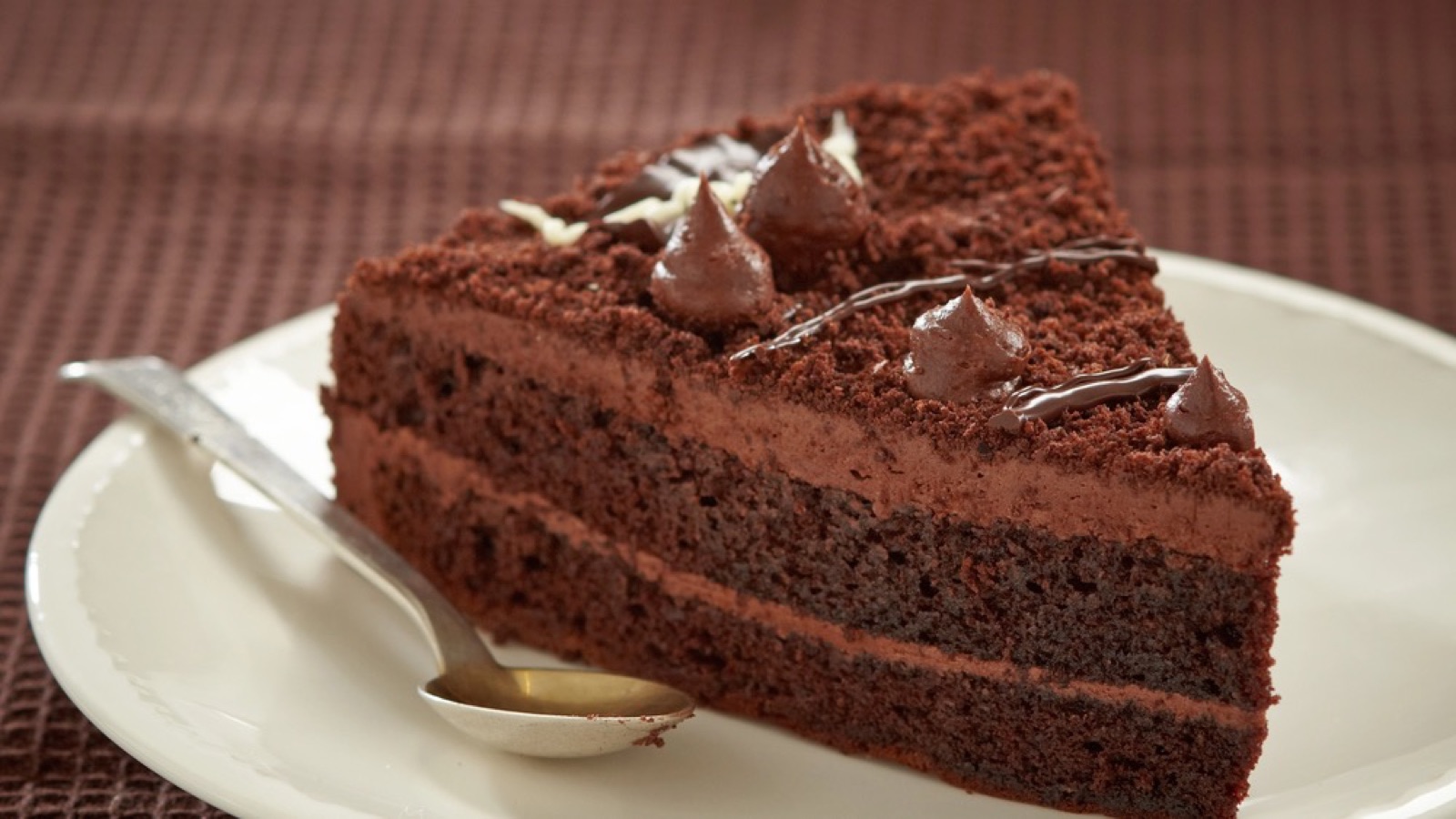
That’s why chocolate and devil’s food mixes are some of the best places to try this trick. The tang disappears into the cake, but the chocolate tastes a little richer and less flat. Many bakers say a mayo-boosted chocolate cake reminds them of an old-fashioned bakery cake.
How Much Mayonnaise to Use
You don’t need a lot. Food Republic’s expert suggests about one-third cup of mayonnaise for a standard boxed cake mix, used in place of the oil the box calls for. If the box says to add half a cup of oil, you’d use one-third cup of mayo instead.
For a softer, richer cake, another option is to use a quarter cup of oil and a quarter cup of mayonnaise together. Going too heavy can make the cake dense, so it’s best not to overdo it. Bakers usually keep the eggs and water the box calls for, then mix as usual.
Stick With the Plain Stuff
Use regular, plain mayonnaise for baking. Flavored versions with garlic, herbs or spice don’t belong anywhere near a cake. Some bakers also avoid “light” versions and salad dressing-style spreads, since they don’t have the same oil and egg content.
Tasting Table notes that plain mayo’s neutral taste works in chocolate, vanilla and even spice cakes. Once it’s baked, there’s no hint of a sandwich spread at all. Most people simply notice that the cake is extra moist and stays soft for days.
Which Cake Mixes Work Best
Chocolate gets most of the attention, and for good reason. The richness of the mayo and the depth of the cocoa seem made for each other, and devil’s food mixes turn out especially soft. Many bakers say this is the version that converts even the biggest skeptics.
Yellow, white and spice cake mixes can benefit too. A yellow cake made with mayo tends to have a tender, almost pound-cake feel, while a spice cake stays moist enough to skip the glaze. It’s an easy experiment, since a single box of cake mix doesn’t cost much and the results show up right away.
It Helps the Cake Stay Fresh
One of the nicest side effects of baking with mayonnaise is how well the cake holds up. Because the oil is so evenly spread through the crumb, the cake doesn’t dry out as quickly on the counter. Food Republic’s expert noted that the added fat and emulsifiers help the cake resist drying out.
That makes mayo cakes a great choice for bake sales, church potlucks and holiday gatherings, when a cake might sit out for a while. It’s also handy when you want to bake a day ahead. Wrapped well, the cake still tastes soft the next afternoon.
A Trick From Grandma’s Era
Mayonnaise cake isn’t a new internet hack. According to Tasting Table, the earliest known cake recipe using mayonnaise appeared in a newspaper in 1927. Home bakers leaned on it during the Great Depression and World War II, when eggs, butter and milk were often scarce or expensive.
In 1937, a chocolate mayonnaise cake recipe was promoted on mayonnaise jar labels and in a cookbook, which helped spread the idea across the country. Food history writers at Quaint Cooking have traced how that recipe became a family favorite for generations. It’s one of those homemade touches that grandkids remember long after the last slice is gone.
Who Will Notice?
Probably nobody, at least not in a way they can name. People will just notice that the cake is soft, rich and moist, the kind that doesn’t need a big glass of milk to wash it down. It’s the perfect trick for a busy week when you want a homemade feel without baking from scratch.
It works for everything from weeknight desserts to the cake at your next birthday party. Just maybe wait until after everyone has a second slice before you reveal the secret ingredient. Have you ever tried mayonnaise in a cake, or would you be too nervous to give it a shot?