9 Church Manners Boomers Grew Up With
For many baby boomers, Sunday morning followed the same routine every week. Shoes were polished the night before, hair was combed just so and everyone piled into the car with plenty of time to spare. Church wasn’t just a service; it was the center of family and community life.
Back then, there were clear rules about how to behave in the pew, and kids learned them early. A single look from Mom or a tap on the knee from Dad was usually all it took to bring a fidgety child back in line. Nobody had to explain the rules twice.
Times have changed, and plenty of congregations are far more relaxed today. Gallup reports that church membership stayed near 70 percent for six decades before dropping below half in 2020. Still, many boomers remember these old church manners fondly, and some wish they’d come back.
1. Wearing Your Sunday Best
In the 1950s and 1960s, nobody would have dreamed of wearing jeans to church. Men put on suits and ties, women wore dresses and kids had a special set of clothes saved just for Sunday. Those outfits often came out again for weddings, funerals and holiday photos.
Dressing up was seen as a sign of respect, both for the service and for the people around you. Many boomers still feel a little underdressed in a church where shorts and T-shirts are common. For them, “Sunday best” wasn’t a fashion choice so much as a habit of the heart.
2. Hats and Gloves for Women, Hats Off for Men
Many women of that era wore hats to church, often paired with white gloves. The FIDM Museum at Arizona State University notes that gloves were a standard part of women’s wardrobes into the early 1950s. By the mid-1960s, they were saved for rare occasions.
Men, on the other hand, were expected to remove their hats as soon as they walked through the church doors. A man who forgot would get a few sharp looks from the older members. It was one of those unwritten rules everyone simply knew.
3. Arriving Early, Never Late
Walking in after the service started was considered embarrassing. Families aimed to be seated a few minutes early, with time to say hello, find a seat and settle in before the first hymn. Some families even had “their” pew and expected to find it waiting.
If you did arrive late, you waited quietly at the back until an usher showed you to a seat at an appropriate moment. Nobody marched down the center aisle during a prayer. Many boomers still feel uneasy sliding in after things have begun.
Getting there early also meant time to greet the older members who always sat in the same spots. Kids were expected to say hello politely and answer questions about school. Those short visits before the service helped make church feel like an extended family.
4. No Talking During the Service
Once the service started, conversations stopped. Whispering to a friend during the sermon was a sure way to earn a glare from the people in the next pew. Children quickly learned to save their questions for the car ride home.
The quiet wasn’t just about manners. It was about giving everyone the chance to listen, pray and reflect without distraction. Many boomers say the silence was one of the things that made church feel special.
5. Kids Sat Still
Today, some churches offer children’s programs, toys or coloring sheets to keep little ones busy. In the boomer years, kids were usually expected to sit through the whole service with the adults. A small Bible, a pencil and maybe a mint from Grandma’s purse were often the only entertainment.
Sitting still for an hour wasn’t easy, and plenty of boomers remember being marched outside for a firm talk. Still, many of them credit those Sunday mornings with teaching them patience. It’s one of the old-school etiquette rules that has faded in many families.
6. No Gum, No Snacks
Chewing gum in church was a big no-no in many households. So was eating, drinking or passing snacks down the pew. Parents would hold out a hand at the church door, and any gum went straight into a tissue.
The only exception for many kids was that famous peppermint or butterscotch candy slipped to them during a long sermon. Grandmothers seemed to have an endless supply tucked into their handbags. Many boomers still smile when they think of that quiet little treat.
7. Joining in the Hymns
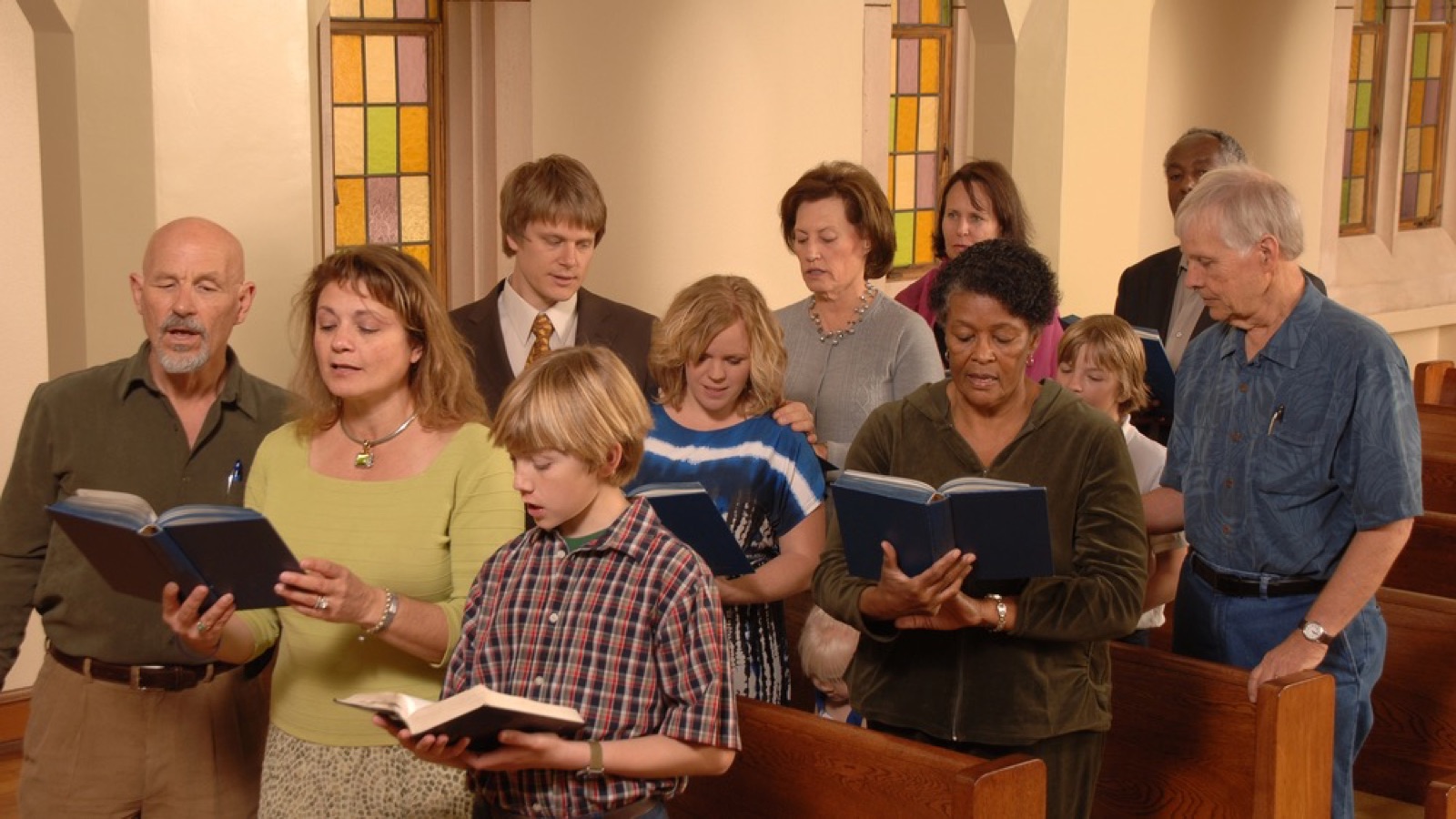
In many churches, everyone was expected to sing, whether they had a good voice or not. People held the hymnal open, stood when the music called for it and followed along. Mumbling or staying silent was frowned upon, especially for kids.
Many boomers still know dozens of hymns by heart because they sang them every week for years. Those songs come back at weddings, funerals and holiday services, and the whole room joins in. For many people, the music is the part of church they remember most clearly.
8. Shaking Hands With the Pastor
After the service, families lined up at the door to shake hands with the pastor or priest. Kids were taught to look him in the eye, give a firm handshake and say “Good morning” or “Thank you.” It was a small moment, but it felt important.
The handshake line was also a chance to visit with neighbors and catch up on the week’s news. Many boomers say they made lifelong friends on those church steps. It was community building long before anyone used that phrase.
9. Sunday Dinner Afterward
For many families, church was followed by a big midday meal. Pot roast, fried chicken or a ham might be waiting in the oven, with relatives and sometimes the pastor’s family invited over. The dining room table was set with the good dishes.
That tradition has faded for a lot of busy families, and many boomers miss it. The Sunday family dinner was where stories were told, recipes were passed down and kids learned table manners. For a lot of people, it was the best part of the day.
Manners That Still Matter
Churches today look different, and many families are glad for a more relaxed atmosphere. Dress codes have loosened, and plenty of congregations welcome everyone just as they are. That openness has brought many new people through the doors.
Still, the heart behind those old manners, respect, patience and community, never goes out of style. Which church manners from your childhood do you still follow today?