People Who Grew Up Without Cable Have These 8 Traits
If you grew up with three or four channels, a dial that clunked when you turned it, and a station that signed off with the national anthem late at night, you probably picked up a few habits that still show up today. People raised without cable often share eight traits: they handle boredom well, they wait patiently, they plan ahead, they fix things themselves, they make their own fun, they love a shared moment, they keep hobbies off the screen, and they’re comfortable with fewer choices.
Cable wasn’t a given for a long time. According to the cable industry’s own history from NCTA, the first systems were built in 1948 simply to improve reception in hard-to-reach towns, and the number of TV networks grew from 28 in 1980 to 79 by 1990. Plenty of families spent the ’60s, ’70s and even ’80s with nothing but what the antenna could pull in.
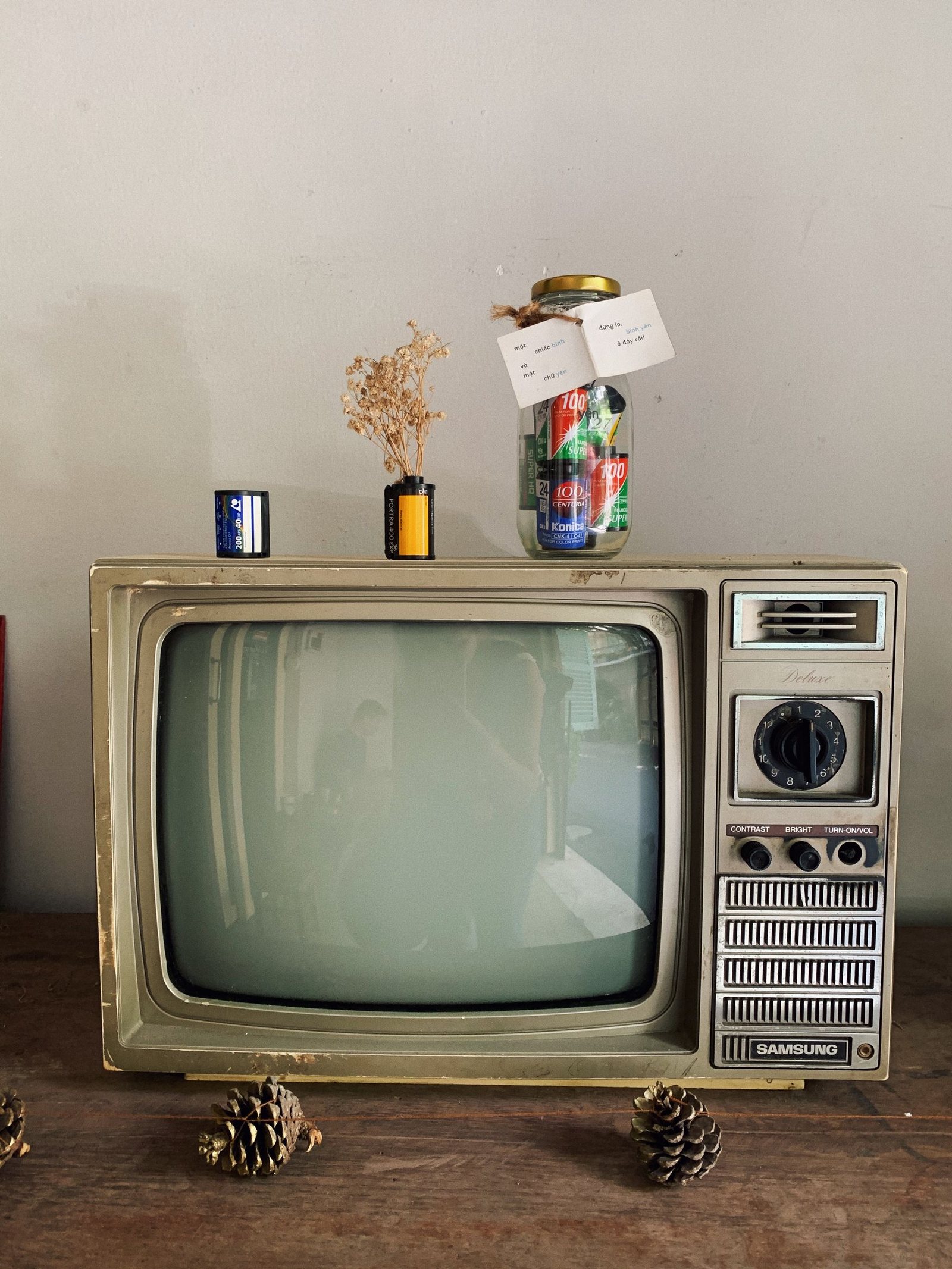
1. They’re comfortable with a little boredom
When there was nothing on but a golf tournament and a farm report, kids had to find something else to do. Child psychologist Lyn Fry, quoted in Mental Floss, put it simply: “Being bored is a way to make children self-reliant.”
Researchers are careful not to oversell boredom itself. Philosopher Andreas Elpidorou of the University of Louisville told National Geographic that what matters is how people respond to it, saying, “I wouldn’t praise the boredom for that; I would praise you.” People who grew up without cable often had plenty of practice responding well.
2. They know how to wait
There was no binge button. If a show ended on a cliffhanger, you waited a full week, and if you missed an episode, you hoped to catch the rerun next summer. That kind of waiting may help explain why many people from this era seem calmer about delays than those who grew up with everything on demand.
It’s one of those little rituals from the ’80s and ’90s that disappeared without much notice, but it left a mark on how people think about patience.
3. They plan ahead
Families circled shows in the TV listings, argued over who got the set on Thursday night, and arranged dinner around a favorite program. That habit of planning often carries over into adulthood, from making grocery lists to booking trips months out. It also explains why they remember the lineup so well, and why lists of 1970s TV dramas almost no one remembers can spark such lively conversations.
4. They’re natural fixers
Anyone who stood by the set holding a rabbit ear at just the right angle while a sibling yelled “Stop, right there!” learned a little problem-solving. Wrapping foil around an antenna or fiddling with the horizontal hold knob was hands-on troubleshooting, and many people from this era still like to try fixing something before calling for help.
5. They make their own fun
With limited programming, kids built forts, rode bikes until the streetlights came on and invented games with whatever was lying around. Many still keep nostalgic items everyone had 30 years ago tucked away in a closet, from board games to old cassette players.
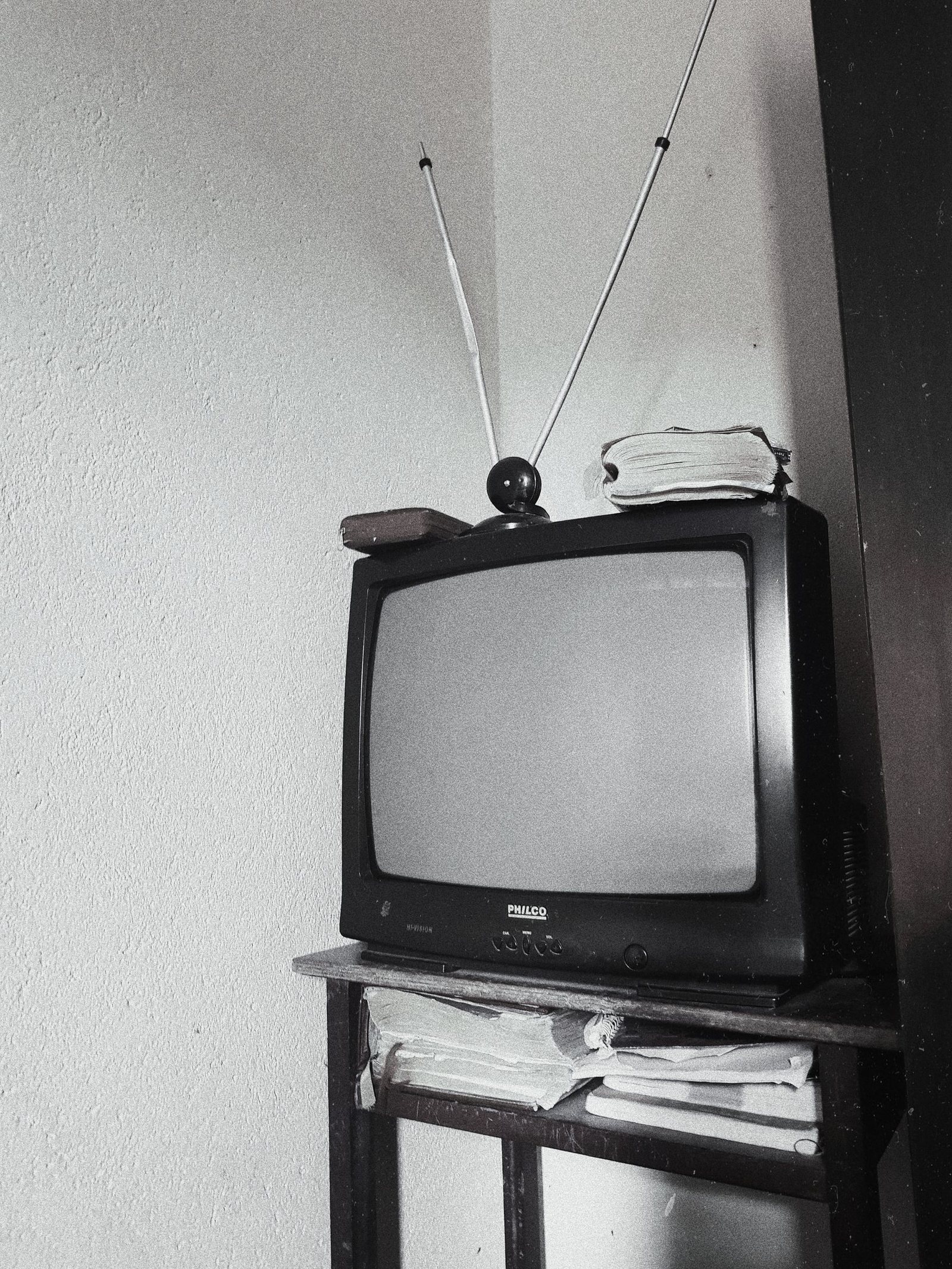
6. They cherish a shared moment
When everyone watched the same few channels, the whole country often saw the same thing on the same night. Kids talked about it on the bus the next morning, and families gathered in one room because there was only one good TV. The people who grew up that way often still love a family movie night, and some go all out with finds that make family movie nights feel special.
That shared soundtrack of childhood is a big part of why so many people recognize the everyday sounds people who grew up in the 1960s remember, from the test pattern tone to the click of a rotary phone.
7. They keep hobbies that don’t need a screen
Reading, sewing, model building, baseball cards and records filled the hours that cable might have taken. Many people who grew up this way still reach for a paperback or a deck of cards when they have a free evening, and they’re often happy to teach those hobbies to the grandkids.## 8. They’re comfortable with fewer choices
Picking between three networks was easy. Today, scrolling through hundreds of streaming options can take longer than the show itself. People who grew up without cable often seem less bothered by limited options and more decisive when they do have to choose, settling on something good enough and actually enjoying it.
The picture still comes in clearly
None of these traits belong only to people who grew up without cable, of course, and plenty of them happily stream shows today. But a childhood spent with a few channels, a little static and lots of free time may have taught lessons that stuck: patience, resourcefulness and an easy knack for making an ordinary evening fun.