8 Shelf-Stable Foods Worth Keeping in Your Car This Winter
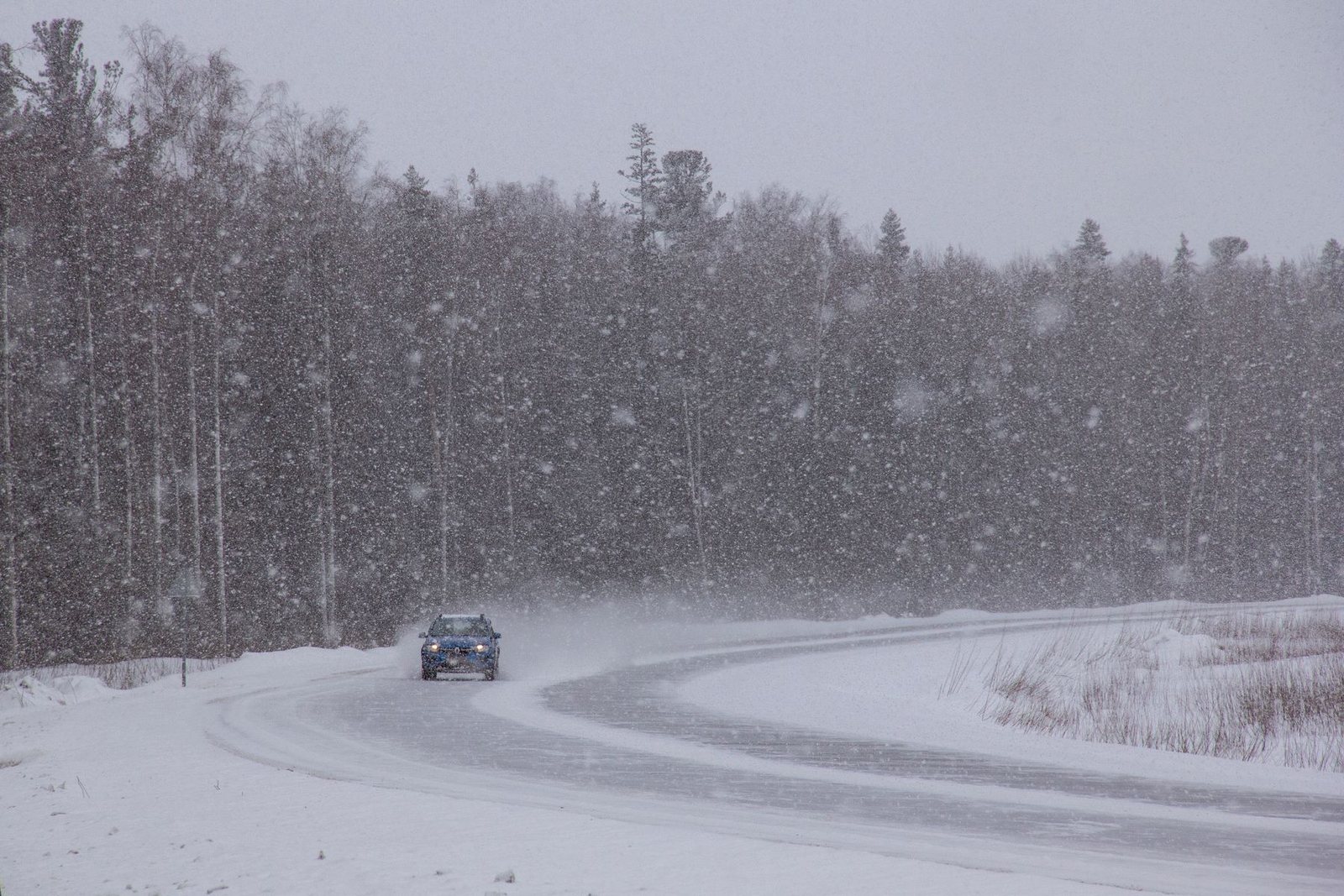
A snowy highway backup, a closed road, or a slide into a ditch can turn a 20-minute drive into a very long afternoon. That is why winter travel guides from FEMA suggest packing a car kit that includes jumper cables, sand, a flashlight, warm clothes, blankets, bottled water and non-perishable snacks.
The good news is that the food part is simple. Below are eight shelf-stable foods that tuck easily into a glove box or a small bin in the back seat, hold up to cold temperatures, and don’t need a stove, a fridge or even a can opener.
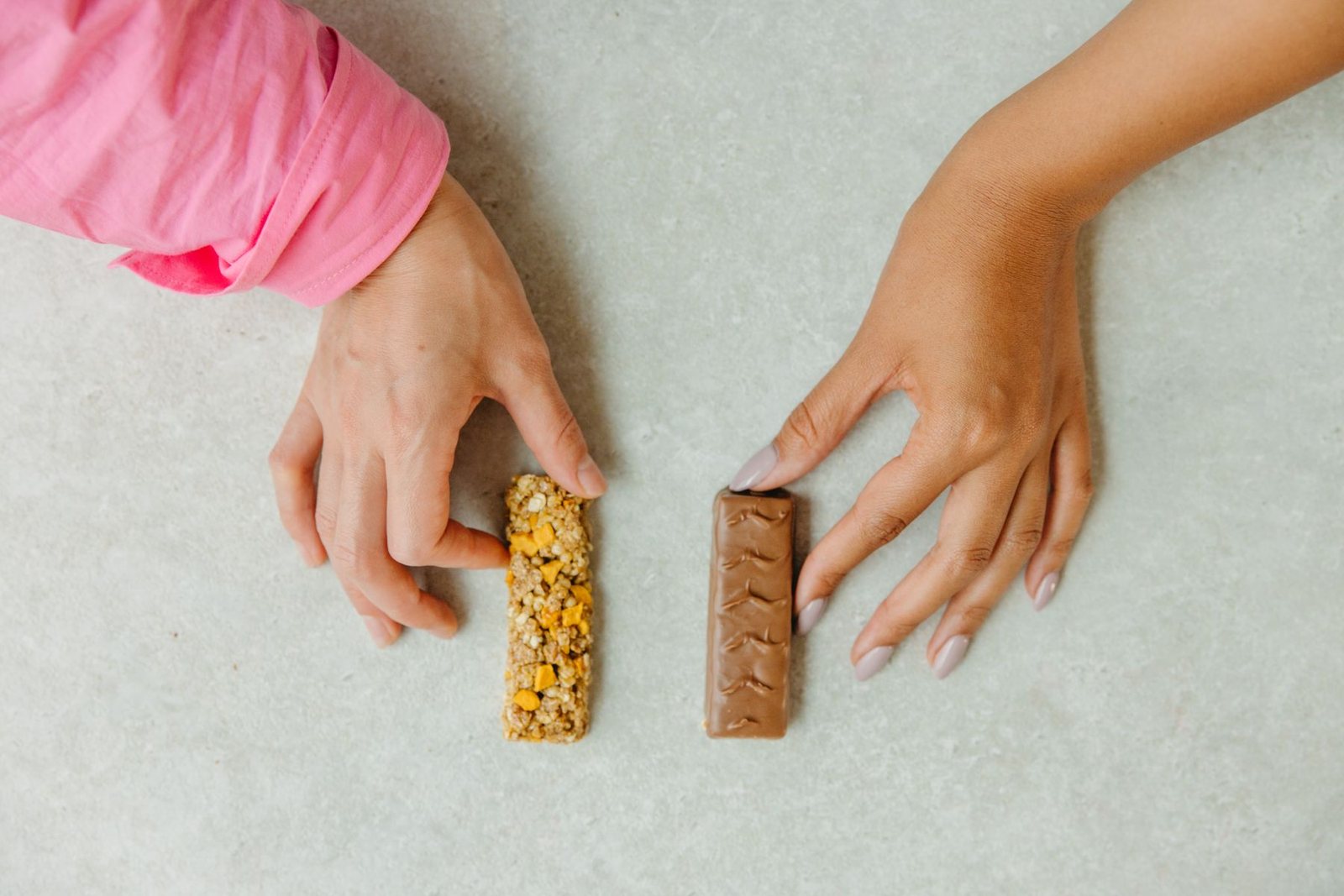
1. Granola or Cereal Bars
If there is one item that shows up on nearly every winter car kit list, it is the humble granola bar. A AAA district director told AAA Club Alliance that drivers should have “a couple of bottles of water” and “a snack, granola bars or something like that.”
They are individually wrapped, flat enough to stack, and easy to hand to kids in the back seat. Pick a variety that won’t crumble into dust after a few weeks of bouncing around, the same way you would pick sturdy items for a personal-item kit for holiday flights.
2. Trail Mix
The Wisconsin Department of Transportation specifically names trail mix in its winter survival kit list, alongside drinking water and energy or protein bars. It is compact, doesn’t freeze into a brick, and a single resealable bag lasts through several snack breaks.
Single-serving packs work best in the car, since you won’t need to worry about an open bag spilling across the floor mats. Keep them in a zippered pouch so they stay together with the rest of your gear.
3. Peanut Butter or Cheese Crackers
Those little sandwich-cracker packs from the snack aisle are practically made for the glove box. They come sealed in sleeves of six, they travel well, and almost everyone in the family will eat them.
Because they are already portioned, you can grab one sleeve without opening the whole stash. If you are already reviewing items that shouldn’t be found in your car trunk, this is a good time to swap anything that doesn’t belong for a box of these.
4. Nut Butter Squeeze Packs
Single-serve squeeze packs of peanut, almond or sunflower butter are a clever addition. They take up almost no room and don’t need a knife, a plate or a spoon.
They can stiffen in very cold weather, so tuck one into a coat pocket for a few minutes before opening. Many families stash them in the same bin as the ice scraper and gloves, much like the way smart carry-on packers keep travel essentials in one place.
5. Dried Fruit
Raisins, dried apple rings, apricots and cranberries are shelf-stable, lightweight, and easy to portion into small bags. They also add a little variety when the rest of your kit is mostly crunchy snacks.
Like the rest of your stash, they belong in the cabin rather than the trunk, since the National Weather Service recommends keeping a winter storm survival kit, including non-perishable food and a water container, in your vehicle. If you are planning a longer holiday drive, it helps to review road trip habits that can ruin the ride for everyone and to winterize the house before you go, using tips like these on how to winterize your home.
6. Jerky or Shelf-Stable Meat Sticks
Beef jerky, turkey jerky and individually wrapped meat sticks are sold unrefrigerated for a reason. They are sealed, sturdy and easy to keep in a seat-back pocket.
Check the package for “no refrigeration needed” wording before you buy, and choose single-serve packs so nothing sits open.
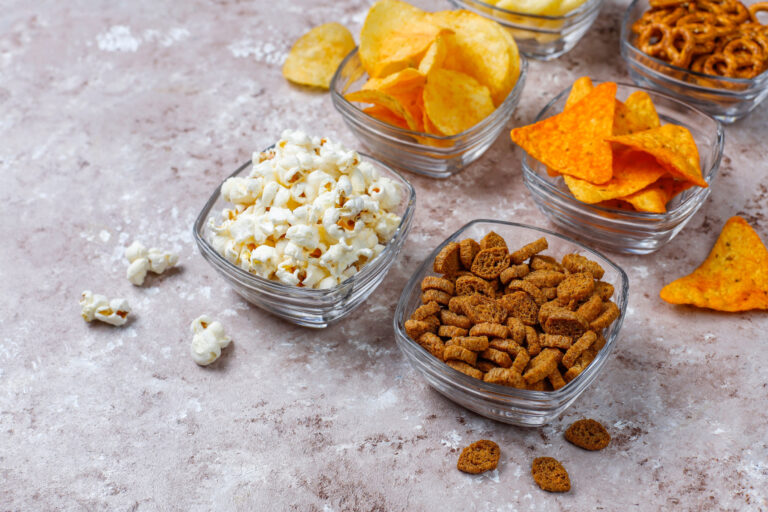
7. Pretzels and Hard Crackers
Mini pretzels, pretzel rods and hard crackers like saltines are about as low-maintenance as snacks get. They don’t melt, they don’t freeze solid, and a small box lasts a long time.
Pour them into a hard-sided plastic container so they don’t get crushed under a pile of boots and blankets.
8. Hard Candy
A bag of individually wrapped hard candies or mints is a small comfort on a long, cold wait. They hold up to freezing temperatures and take up almost no space.
They are also handy for keeping little ones busy while you wait for a tow truck or for traffic to start moving again.
A Few Packing Tips
- Keep a few bottles of water in the kit, and leave a little room at the top so the bottles have space if the water freezes.
- South Dakota State University Extension says bottled water is essential and points to granola or energy bars as a compact choice.
- Ready.gov’s emergency kit guidance recommends replacing expired items as needed, so set a reminder to check dates each fall.
- Store everything in one bin or bag inside the car so it is easy to reach.
A few dollars’ worth of shelf-stable snacks won’t take up much space, but they can make an unexpected winter delay a lot more bearable. Pack your bin this weekend, toss in a blanket and a phone charger, and you’ll be ready for whatever the forecast brings.