10 Grocery Items That Were Once Cheap and Plentiful but Are Now Hard to Find
Ask anyone who shopped for a family in the 1960s or ’70s, and they’ll tell you about the bargains. The butcher practically gave away certain cuts. Some seafood was so common it was considered poor people’s food. Grandma knew how to turn those leftovers and odd bits into dinners nobody forgot.
Somewhere along the way, a lot of those humble foods got discovered. Chefs put them on fancy menus, food shows made them trendy and supply dried up. Others faded because the industry that produced them simply closed down. Either way, the cheap staples of yesterday are now hard to find, expensive or both.
If you’ve ever looked at a price tag and said, “We used to get that for nothing,” this list is for you. Here are 10 grocery items that were once cheap and plentiful but have become hard to find today.
1. Oxtail
For generations, oxtail was a scrap cut sold cheaply to families who knew how to cook it low and slow. Black American and Caribbean cooks turned it into rich, unforgettable stews, and those dishes became beloved traditions. Some older shoppers remember paying well under a dollar a pound.
Then restaurants caught on, and demand soared. The problem is that each animal has only one tail, giving just a few pounds of meat. As Tasting Table explains, that limited supply plus rising popularity pushed prices up sharply. Many grocery stores now carry it only occasionally, and it often sells out fast.
2. Soup Bones
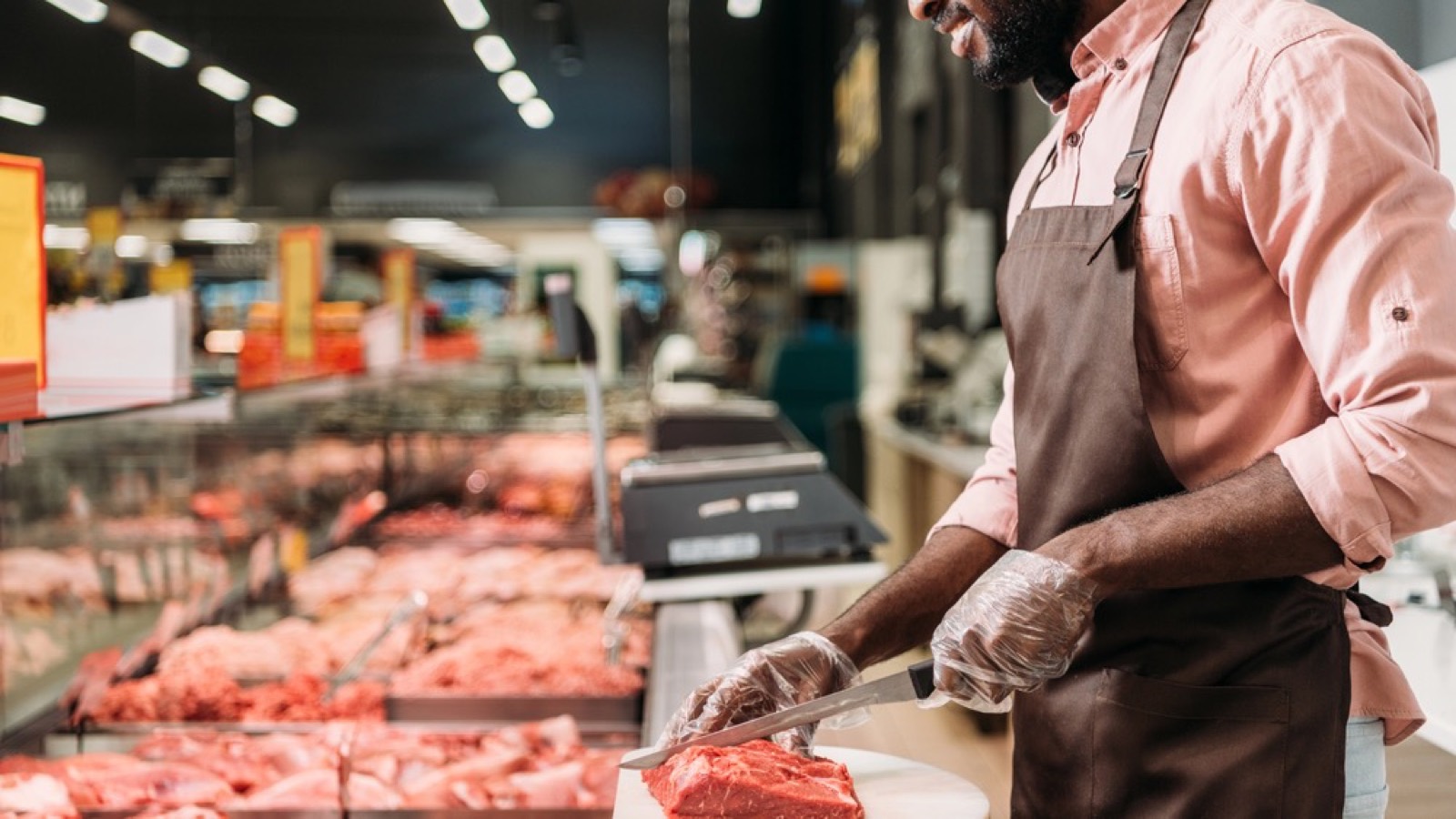
Once upon a time, you could ask the butcher for soup bones and walk out with a bag for free or close to it. Families simmered them for hours to make broth, gravy and soup that stretched a meal for days.
Today, most supermarkets don’t have an in-house butcher cutting whole sides of beef, so those bones never reach the counter. When they do show up, they’re often labeled as “marrow bones” and priced like a specialty item. Bone broth’s rise in popularity didn’t help. What used to be an afterthought now takes real hunting.
3. Oysters
It’s hard to believe now, but oysters were once New York City’s everyday street food. Vendors sold them from carts on nearly every corner, and people from every walk of life ate them by the dozen. The New York Public Library notes that oyster sellers once worked the streets alongside hot corn and peanut vendors.
Pollution and overharvesting wiped out many of the old oyster beds, and the city’s last ones closed in the early 1920s. Oysters became a luxury, sold by the piece at raw bars. Shucked oysters by the pint still turn up at some seafood counters, but nowhere near as often as they once did.
4. Maine Sardines
Maine’s coast was once lined with more than 50 sardine canneries, and a tin of sardines was one of the cheapest lunches around. Workers packed fish by hand, and the little flat cans were in nearly every pantry in America.
That era ended in April 2010, when the Stinson plant in Prospect Harbor shut down. Marketplace reported it as the last sardine cannery in the U.S. You can still buy sardines, of course, but almost all of them now come from overseas. Canned sardines from Maine are now something you find mostly in antique shops as empty tins.
5. Chicken Wings
Before the 1960s, chicken wings were one of the cheapest parts of the bird. Butchers often tossed them in with soup scraps or sold them for pennies. Then the Anchor Bar in Buffalo, New York, started frying them and coating them in hot sauce in 1964, and the rest is history.
Today, wings are a sports-bar staple, and prices jump every football season. Wings aren’t hard to find in the sense of empty shelves, but finding them cheap is another matter. Whole wings at a bargain price, the way Grandma bought them, are a rare sight now.
6. Beef Tongue
Beef tongue was a common, affordable meat for many immigrant families and Depression-era households. It was boiled, peeled, sliced and served cold in sandwiches or hot with sauce. Delis in big cities made tongue sandwiches a lunch counter staple.
Most mainstream supermarkets stopped carrying it decades ago. Today it shows up mainly in Latin American markets, where it’s sold for tacos de lengua, and in a handful of old-school delis. It’s no longer the bargain it once was either, since restaurants and taco trucks have made it more popular with younger diners.
7. Skirt Steak
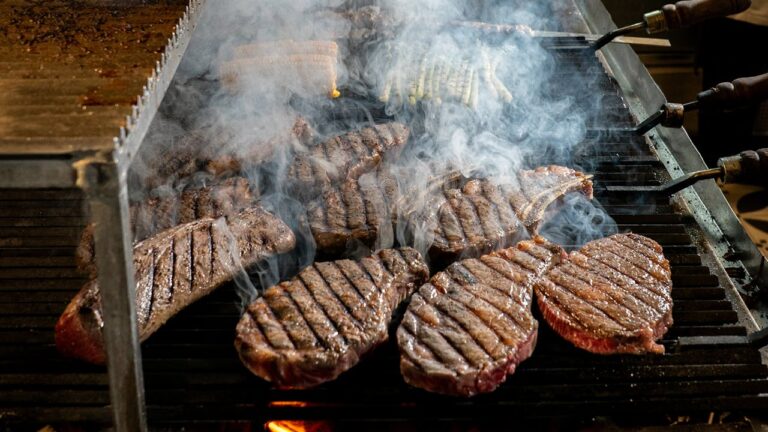
Skirt steak used to be a cheap, chewy cut that working families bought because they couldn’t afford the fancy stuff. Butchers sometimes kept it for themselves because they knew how good it was when cooked right.
Then fajitas became a nationwide craze in the 1980s and ’90s, and skirt steak was suddenly in demand everywhere. Restaurants buy up much of the supply. Today, it’s often hard to find at the regular meat counter, and when it does appear, it sells for prices that would have shocked shoppers in the 1970s.
8. Real Lard
Lard was once the cooking fat in most American kitchens. Grandma used it for pie crusts, biscuits and frying chicken, and every grocery store sold it by the pound. It was cheap, plentiful and a byproduct of the local hog farms.
When vegetable shortening and oils took over in the 20th century, lard fell out of favor. You can still find shelf-stable lard in some stores, usually in the Hispanic foods aisle. But the fresh, high-quality leaf lard that serious bakers prize is now a specialty item, usually found only at farmers markets or online.
9. Pork Belly
Pork belly was once considered a cheap, fatty cut. Most of it went to make bacon or salt pork, and families bought what was left for next to nothing. It flavored beans, greens and soups in kitchens across the South and beyond.
Over the last 20 years, pork belly became a darling of restaurant menus, served crispy and glazed in trendy spots. Prices rose with the hype. Many regular supermarkets still don’t carry fresh pork belly, so shoppers often have to visit an Asian market or a specialty butcher to get it.
10. Atlantic Cod
New England families once ate cod constantly, from fish cakes to Friday fish fry. The fish was so plentiful off the coast that it built entire towns, and salted cod was a cheap pantry staple that lasted for months.
Decades of overfishing caused the Atlantic cod population to crash in the 1990s. Strict fishing limits followed, and the catch has never come close to its old numbers. Much of the “cod” sold in stores now comes from the Pacific or from overseas. Fresh Atlantic cod at a bargain price is mostly a memory.
What Happened to the Bargains?
Many of these foods were cheap because they were considered scraps or poor people’s food. Once tastes changed and chefs took notice, prices followed. In other cases, entire industries shrank or vanished, taking the supply with them. You can see a similar story in the foods Americans ate to get through the Great Depression.
It’s a reminder that the humble kitchens of our grandparents were full of good sense. They knew how to make the most of what was cheap, and plenty of those once-humble dishes are now foods the wealthy eat too. Which of these did your family buy when it was still a bargain? Tell us what you paid back then.