9 Food Traditions Boomer Parents Passed Down That Their Kids Abandoned
Every family has its food traditions. Some are written on stained recipe cards, and others are simply things “we always did.” Baby boomers grew up surrounded by these habits, picked up from parents and grandparents who learned them during the Depression and World War II years.
Many boomers kept those traditions going for decades and tried to pass them on to their own children. But something happened along the way. Busy schedules, new technology and changing tastes meant that a lot of those old habits didn’t make the jump to the next generation. Ask a boomer about it, and you’ll often hear a sigh.
Some of these traditions are fading for good reasons, while others are worth saving. Here are nine food traditions boomer parents passed down that their kids have largely abandoned.
1. The Bacon Grease Jar
In countless boomer kitchens, a coffee can or small jar sat next to the stove, holding bacon grease poured off after breakfast. That grease went into cornbread, green beans, fried eggs and gravy. Nothing was wasted, and the flavor it added was hard to beat.
Most younger cooks don’t keep a grease jar anymore. Many buy pre-cooked bacon or bake it on sheet pans and toss the drippings. Some don’t even know what Grandma meant when she asked for “a spoonful from the can.” It’s a small habit, but it says a lot about how kitchens have changed.
2. Home Canning
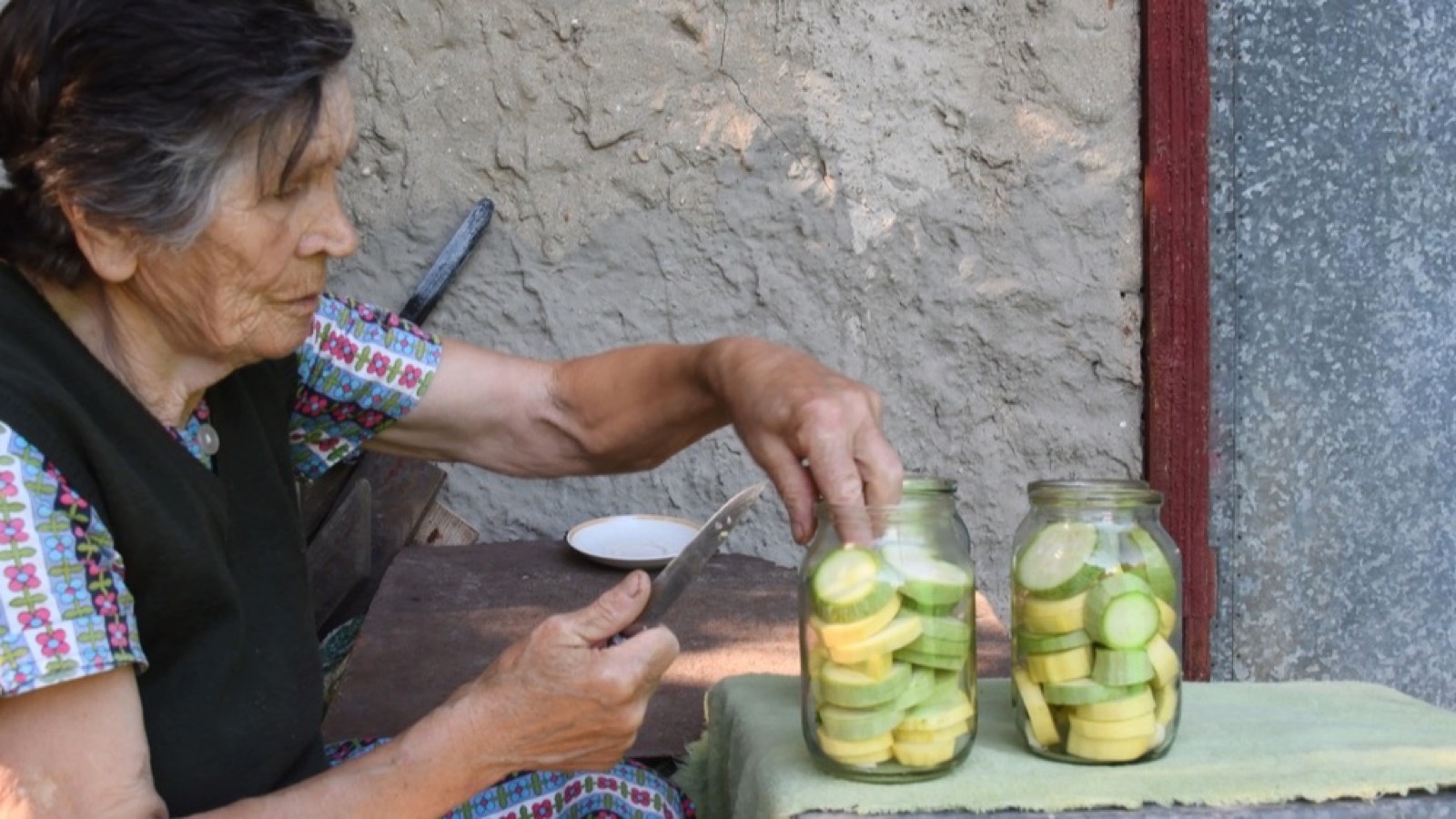
Boomers grew up watching their mothers and grandmothers put up tomatoes, green beans, peaches and pickles every summer. Kitchens turned into steamy factories, and pantry shelves filled with jars that lasted all winter. The USDA’s National Agricultural Library notes that home canning was already dropping in the 1950s and ’60s as refrigerators and freezers became common.
Many boomers still canned when their own kids were young, but most of those kids never picked up the habit. Canning takes time, special equipment and knowledge passed down person to person. It has seen a small revival among younger homesteaders, but the family canning day is no longer the summer event it once was.
3. Sunday Roast
For decades, Sunday meant a pot roast or roast beef in the oven while the family was at church. By the time everyone got home, the house smelled amazing, and dinner was ready with potatoes, carrots and gravy. Leftovers became sandwiches and hash for days afterward.
Today, many families don’t have a set Sunday meal at all. Weekends are filled with sports, errands and work. When families do gather, it’s often for takeout or a restaurant brunch. Boomers who still make a Sunday roast often find it’s mostly for themselves and maybe a visiting grandchild.
4. Fish on Friday
For Catholic families especially, meatless Fridays were a firm rule, and fish sticks, tuna casserole or fried fish were on the table every week. Even many non-Catholic families followed along, and school cafeterias often served fish on Fridays to match.
The Catholic Church relaxed the year-round rule in the 1960s, keeping it mainly for Lent. Still, many boomers kept the habit for years. Their kids, though, mostly let it go. Friday night is now pizza night in a lot of homes, and the weekly fish dinner survives mainly in Lenten fish fries at churches and VFW halls.
5. Recipe Cards and the Recipe Box
Every boomer mom seemed to have a recipe box, a little metal or wooden case stuffed with index cards written in her own handwriting and her mother’s. Many cards were stained with butter and vanilla, and some had notes in the margins like “Dad’s favorite” or “double for church.”
Younger cooks mostly find recipes online or on their phones. The recipe box has become a keepsake, more likely to sit on a shelf than to be used. Many families now scan old cards so they don’t get lost, and some even turn a grandmother’s handwriting into tea towels or framed prints.
6. Jell-O Molds at Every Gathering
No holiday, potluck or church supper was complete without at least one shimmering Jell-O mold. Lime with pineapple, strawberry with bananas, orange with shredded carrots, the combinations were endless. The Smithsonian even held a conference on Jell-O history in 1991, which tells you how big a part of American life it was.
Boomer kids grew up eating them, and many boomer parents kept making them. But their children mostly said no thanks. Today, those aluminum molds hang on kitchen walls as decorations or sit in thrift stores. Jell-O salads have become more of a joke than a staple, though they still show up at some holiday tables.
7. Gravy From Scratch
Boomer parents made gravy from the pan drippings of every roast, turkey and fried chicken. They knew just how much flour to whisk in, how to keep it from getting lumpy and how to stretch it with milk or broth. It was an essential kitchen skill.
Many younger cooks reach for a jar or packet instead. Making real pan gravy takes practice, and it can be intimidating without someone showing you how. Plenty of boomers say teaching their kids to make gravy is still on their to-do list, usually right before Thanksgiving.
8. Church Potlucks and Covered-Dish Suppers
Covered-dish suppers were a regular part of community life when boomers were growing up. Every family brought a casserole, salad or dessert, and the tables groaned with food. Everyone knew which family made the best deviled eggs and whose macaroni salad to avoid.
As church membership has declined and schedules have gotten busier, these gatherings have become less common. Younger families are less likely to belong to a congregation, and when they do gather, they often order catering. The covered-dish supper hasn’t disappeared, but it’s no longer a weekly fixture for most families. Many of those casseroles that defined American family dinners came straight from those church tables.
9. A Day for Holiday Baking
Boomer moms often set aside an entire day, or several, for holiday baking. Kitchens filled with sugar cookies, fudge, fruitcake and pies. Kids helped roll dough and add sprinkles, and tins of treats were given to neighbors, teachers and the mail carrier.
Today, many families buy holiday treats from bakeries or grocery stores. Some still bake a batch or two, but the marathon cookie day has become rare. Boomers who keep the tradition alive often invite grandchildren over to help, hoping at least one will carry it on.
Why the Old Ways Faded
Most of these traditions faded because modern life is busier and more convenient. Two working parents, packed schedules and endless store-bought options make the old ways feel like a lot of work. Many young adults also simply never learned the skills, because nobody had time to teach them. You can see similar shifts in the simple pleasures many people overlook today.
Still, plenty of younger people are rediscovering these habits, from canning to scratch baking. If your family had one of these traditions, it might be worth passing on before it’s lost. Which food tradition from your childhood do you wish your kids or grandkids would keep alive?