How Eating Habits Change When the Kids Leave Home
For years, the kitchen ran like a busy restaurant. There were school lunches to pack, after-practice snacks to grab and dinners big enough to feed a houseful of hungry kids and their friends. The refrigerator was always full, and somehow it was always empty again by Thursday.
Then one day, the last child packs up the car and heads off to college, a new job or a home of their own. The house gets quiet, and so does the kitchen. Many parents are surprised by how much their eating habits change once the kids are gone, and how long it takes to adjust.
Some of those changes are sweet, some are a little sad and some are downright freeing. If you’re an empty nester, or about to become one, you’ll probably recognize many of these shifts. Here’s how eating habits change when the kids leave home, and what many parents learn along the way.

The Grocery List Shrinks, but the Bill May Not
One of the first things empty nesters notice is the grocery cart. Gone are the giant boxes of cereal, the family-size packs of chicken and the gallons of milk that disappeared in two days. Suddenly, a single bag of groceries can last most of the week.
Strangely, the bill doesn’t always drop as much as parents expect. Research from Boston College’s Center for Retirement Research found that per-person spending on food and restaurants often rises after the kids move out, as PBS NewsHour reported. Smaller packages cost more per serving, and parents who no longer need to stretch every dollar sometimes treat themselves a little more.
Cooking for Two Takes Practice
After decades of cooking for a crowd, many parents find it hard to scale down. The first few months often involve a lot of leftovers. A pot of chili that used to feed six now lasts two people the whole week, and casseroles seem to go on forever.
Over time, most couples figure out a new rhythm. Recipes get cut in half, smaller baking dishes come out of the cupboard and the slow cooker gets used for smaller batches. Some people freeze extra portions for later, building a stash of easy homemade meals for busy nights. It’s a skill that takes time, but most empty nesters eventually master it.
Picky Eaters Are Gone
For years, many parents cooked around their kids’ preferences. If one child hated onions and another refused anything green, dinner was planned to keep the peace. Mom and Dad often ate the same handful of kid-friendly meals over and over.
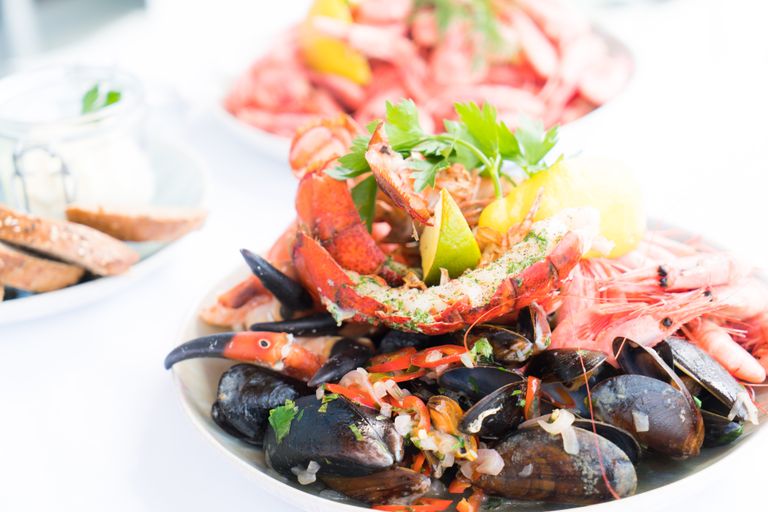
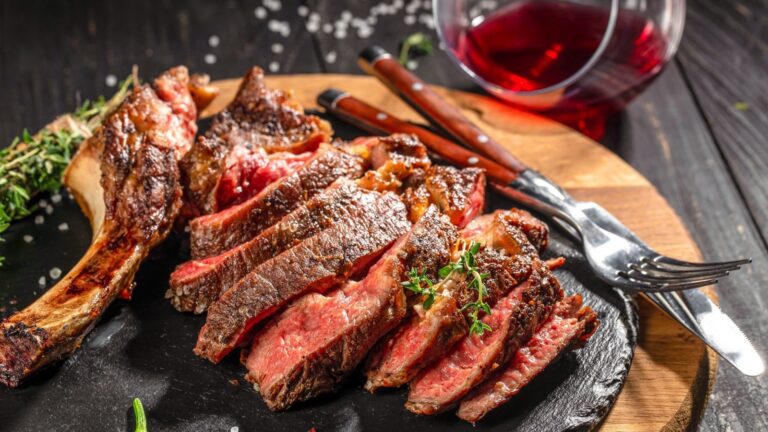
When the kids leave, parents can finally cook what they want. Spicy dishes, seafood, fancy salads and foods the kids would never touch all come back on the menu. Many couples say rediscovering their own tastes is one of the best parts of the empty nest. Dinner becomes something they enjoy, not just something they get through.
Dinner Time Becomes Flexible
When kids were home, dinner was often scheduled around soccer practice, band rehearsal and homework. Once they’re gone, parents have more freedom. Some couples move dinner earlier, while others eat later after a walk or a night out.
Some empty nesters skip the formal dinner altogether on certain nights. A bowl of soup, a sandwich or a plate of cheese and crackers might be all they want. Without hungry teenagers waiting, there’s less pressure to put a full meal on the table every evening.
Eating Out Becomes More Common
Many empty nesters find themselves eating out more often. Without kids to feed, a restaurant meal for two costs far less than one for a family of five. Date nights become easier to plan, and couples rediscover the fun of trying new places.
Others go the opposite direction, eating at home more because cooking for two feels relaxed and enjoyable. Either way, mealtimes become more about the couple’s own preferences. Many say it feels a little like being newlyweds again, just with more experience and a better kitchen.
Kitchen Habits Get Lighter
Without the constant flow of snacks and leftovers, the kitchen gets quieter in other ways. There are fewer dishes to wash, less food to put away and fewer late-night raids on the fridge. Some parents finally clean out the pantry and get rid of the junk that piled up over the years.
Many also find they don’t need the oversized appliances anymore. The giant stock pot, the extra freezer in the garage and the huge serving platters might get used only on holidays now. Some empty nesters downsize their kitchen gear as they downsize their homes.
Holidays Bring the Old Routine Back
When the kids come home for Thanksgiving, Christmas or summer visits, the old routines come rushing back. Suddenly, parents are cooking big meals again, stocking up on everyone’s favorites and making the dishes their kids grew up loving.
Many empty nesters say they treasure these visits even more because they’re less frequent. They plan menus weeks ahead and pull out old family recipes. For a few days, the kitchen feels full and busy again, and it reminds everyone of how things used to be. Then the house goes quiet once more.
An Emotional Adjustment
For many parents, especially mothers who did most of the cooking, the change can be emotional. Cooking was a way of caring for the family, and suddenly there’s no one to cook for in the same way. Some feel a little lost at first, as many women describe in these reflections on what women realize when the kids leave home.
Over time, most find new ways to enjoy the kitchen. Some take cooking classes, start baking for neighbors or host dinner parties with friends. Others focus on cooking with their spouse or teaching grandchildren family recipes. The love for cooking doesn’t disappear. It just finds a new outlet.
A New Chapter at the Table
The empty nest changes nearly everything about family life, and food is a big part of that. It’s a chance to slow down, try new things and enjoy meals in a different way. Many couples say it’s one of the most surprising and rewarding parts of this stage of life, filled with simple pleasures they once overlooked.
How did your eating habits change when your kids moved out? Did you eat out more, cook less or rediscover foods you love? Share your experience.