9 Things About Modern Weddings That Older Guests Find Strange
When many boomers got married in the 1960s, ’70s and ’80s, weddings followed a familiar script. There was a church ceremony, a reception in the fellowship hall or a local banquet room, a sheet cake, some punch and maybe a band playing the hits. Guests brought a gift from the registry at the department store, and the whole day wrapped up by early evening.
Today’s weddings can look very different. Grandparents and older relatives who attend a granddaughter’s or nephew’s wedding often find themselves surprised by new traditions, new technology and very different expectations. Some changes they love, and others leave them scratching their heads.
Weddings have also grown more expensive. The Knot’s 2026 Real Weddings Study found that couples spent an average of about $34,000 on their ceremony and reception, with an average of 117 guests. Here are nine things about modern weddings that older guests often find strange.
1. Asking for Cash Instead of Gifts
In the past, couples registered for china, silverware, towels and small appliances to set up their first home together. Guests picked an item from the list and brought a wrapped box to the reception. Many boomers still remember the toasters and blenders they received.
Today, many couples already live together and have most of what they need. Instead, they ask for cash, contributions to a honeymoon fund or even help with a down payment on a house. Older guests sometimes find asking for money a little uncomfortable, though many have come to accept it as practical.
2. Wedding Hashtags
Many modern couples create a special wedding hashtag, like a playful mix of their names, and ask guests to use it when posting photos on social media. Signs at the reception often display the hashtag so everyone can find and share pictures.
For older guests who don’t use social media, this can be confusing. They might not understand what a hashtag is or why it matters. Many grandparents end up asking a grandchild to explain, or simply enjoy seeing the photos later on someone else’s phone.
3. The “First Look”
Traditionally, the groom didn’t see the bride in her dress until she walked down the aisle. It was considered bad luck to see her before the ceremony. That moment of surprise was one of the most emotional parts of the day.
Many modern couples now choose a “first look,” a private moment before the ceremony when they see each other for the first time, often with a photographer capturing their reactions. It allows them to take photos before the ceremony and spend more time with guests later. Older guests sometimes feel it takes away from the magic of the aisle walk.
4. Destination Weddings
More couples are getting married in faraway places, like beaches in Mexico, vineyards in California or mountain resorts. These weddings can be beautiful, but they often require guests to pay for flights, hotels and several days off work.
Older relatives, especially those on fixed incomes or with mobility challenges, sometimes find destination weddings difficult to attend. They may feel left out or worry about the cost. Many grandparents remember when weddings happened in the hometown church, where everyone could easily come.
5. Adults-Only Receptions
In many boomer weddings, children were a natural part of the celebration, running around the reception hall and dancing with grandparents. Today, more couples choose adults-only weddings to keep costs down and create a more formal atmosphere.
Some older guests find this surprising or even hurtful, especially when their own grandchildren aren’t invited. They often see weddings as family events where every generation should be included. Couples, though, often have practical reasons, from budget limits to venue rules.
6. Food Trucks and Grazing Tables
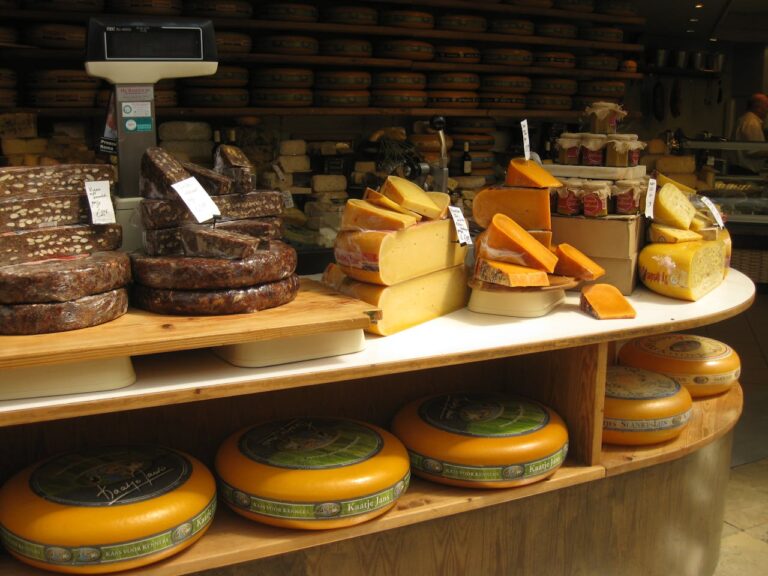
Older guests often expect a sit-down dinner with salad, chicken or beef and dessert. Today’s receptions might feature food trucks, taco bars, pizza stations or large grazing tables filled with cheese, fruit and charcuterie. Some even serve brunch or late-night snacks instead of a traditional meal.
Many older guests enjoy the variety, but some miss the formality of being served at the table. Standing in line at a food truck in dress clothes can feel strange to someone who remembers plated meals. Still, these options often make receptions feel more relaxed and fun.
7. Mismatched Bridesmaids
In many boomer weddings, bridesmaids wore identical dresses, often in pastel colors with matching shoes. The goal was a uniform, coordinated look in the wedding photos.
Today, many brides let their bridesmaids choose their own dresses in a certain color palette or style. The result is a more relaxed, mismatched look. Older guests sometimes wonder whether the bridesmaids forgot to coordinate, but younger generations see it as a way to let each person feel comfortable and express her own style.
8. Phones Everywhere, or Nowhere
At many modern weddings, guests are constantly taking photos and videos on their phones. At others, couples ask guests to put phones away completely for an “unplugged” ceremony. Either way, phones have become a big part of the conversation.
Older guests often find both extremes unusual. They remember a single photographer and a few family members with cameras. Some appreciate the request to put phones away, while others are puzzled by signs asking them not to take pictures. It’s a very modern dilemma.
9. Long, Multi-Day Celebrations
Many modern weddings stretch over an entire weekend, with welcome parties, rehearsal dinners, the wedding itself and a farewell brunch the next morning. Bachelor and bachelorette parties can also be multi-day trips to cities like Nashville or Las Vegas.
For older guests, this can feel exhausting and expensive. Many remember weddings that lasted a single afternoon, followed by a send-off as the couple drove away in a car decorated with cans and shaving cream. Today’s longer celebrations can be fun, but they ask a lot more of guests.
Old Traditions, New Twists
Weddings have always changed with the times, and today’s couples are simply putting their own stamp on an old tradition. Many changes reflect practical concerns, like budgets, busy schedules and blended families, while others reflect new technology and personal style.
Many older guests still find plenty to love about modern weddings, even if some parts feel unfamiliar. It helps to know the common wedding guest mistakes that couples worry about today. Some older guests also notice social norms shifting in ways they never expected. What wedding trend surprises you the most? How does it compare to your own wedding day?