9 Things That Were Free in the 1970s That Now Cost Money
People who grew up in the 1970s often say life felt simpler, and part of that was the number of everyday things that didn’t cost a dime. You didn’t think twice about checking a suitcase on a flight, filling your tires with air or picking up a road map before a long drive. Those things were just part of the deal.
Over the decades, many of those freebies quietly disappeared. Some were replaced with fees, some became add-ons and others simply vanished as businesses looked for new ways to make money. Today, younger people may not realize that some of the things they pay for were once handed out at no charge.
Looking back, the list is a little surprising and maybe a little frustrating. Here are some of the things that were free in the 1970s and now cost money, along with how they changed.
1. Checking a Bag on a Flight
In the 1970s, flying was a special occasion, and your checked luggage was simply included in the price of the ticket. Travelers packed full-size suitcases without thinking about weight limits or fees. Many people even dressed up to fly.
That changed in 2008. When fuel prices soared, American Airlines became the first major U.S. carrier to announce a charge for the first checked bag, starting at $15 each way, as NBC News reported at the time. Other airlines quickly followed, and fees have climbed since. Today, many travelers cram everything into a carry-on to avoid them.
2. Meals on Airplanes
Older travelers remember when even a short domestic flight came with a meal. Flight attendants served hot dinners on real plates, sometimes with metal silverware, along with free drinks and snacks. The food wasn’t always great, but it was part of the experience.
Over the years, airlines cut back on free meals in economy class, especially on domestic flights. Today, passengers on many routes get a small snack and a drink at best, and full meals are often sold separately or reserved for first class. Many people now pack their own food before boarding.
3. Choosing Your Seat
In the past, picking a seat on a plane was usually free. You asked for a window or an aisle when you checked in, and the agent found you one if possible. Families were generally seated together without any extra charge.
Now, many airlines charge extra for choosing a seat ahead of time, especially on the lowest-priced tickets. Seats with more legroom or near the front of the plane often cost more too. Travelers who don’t pay may be assigned whatever is left at check-in, which can mean a middle seat in the back.
4. Road Maps at the Gas Station
For decades, gas stations handed out road maps for free. Oil companies printed them by the millions as a way to attract customers, and drivers kept a stack in the glove compartment. Planning a family road trip often started with a pile of free maps spread across the kitchen table.
According to Jalopnik, the practice faded in the 1970s and early 1980s as the oil crises squeezed company budgets. Maps were later sold instead of given away, and today most people use a phone for directions. Free maps are now collectibles that turn up at antique shops.
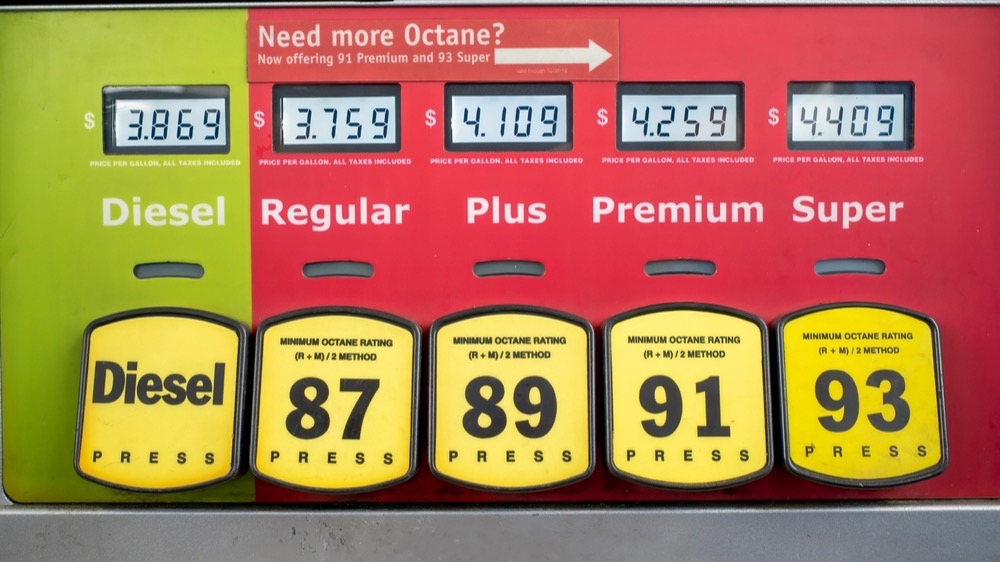
5. Air for Your Tires
Pulling into a gas station to fill a low tire used to cost nothing. Air hoses were free, and attendants often checked your tire pressure for you. It was considered a basic service that came with buying gas.
Today, many gas stations charge a dollar or more to use the air machine, usually by inserting coins or a card. California is one of the exceptions, since state law requires stations to provide free air and water to customers who buy fuel, according to Consumer Watchdog. In many other states, you’ll be feeding quarters into a machine.
6. Full Service at the Pump
In the 1970s, many gas stations were full-service. An attendant pumped your gas, washed your windshield, checked your oil and sometimes even topped off your fluids, all at no extra charge. You stayed in the car while it all happened.
Self-service stations spread quickly in the 1970s and 1980s, and full service became rare. As Mental Floss notes, many of those old gas station perks are now gone. New Jersey is famous as one of the last places where attendants still pump your gas, while elsewhere, full service is often only available at a higher price per gallon, if at all.
7. Television
In the 1970s, nearly all television was free. If you had a TV set and an antenna, you could watch the major networks and local stations without paying a monthly bill. Families gathered around the set to watch their favorite shows on the same night every week.
Today, many households pay for cable, satellite or a combination of streaming services, and those bills can add up quickly. Over-the-air TV still exists, and some people have gone back to antennas to save money. But for many families, a monthly TV bill is now just part of life, something few people in 1975 could have imagined.
8. Grocery Bags
At the grocery store in the 1970s, your groceries went into sturdy paper bags at no charge, often packed by a bagger who carried them to your car. Plastic bags became common later, and they were free too. Many families reused paper bags to cover schoolbooks or line trash cans.
In recent years, a number of states and cities have started charging for bags or banning single-use plastic ones. California, for example, has a statewide law on carryout bags, explained by CalRecycle, that requires stores to charge for paper and reusable bags. Many shoppers now bring their own bags to avoid the fee.
9. A Gift for Opening a Bank Account
This one may make older readers smile. In the 1960s and 1970s, banks often gave away gifts to people who opened a new savings or checking account. Toasters, clock radios, blenders, dishes and other small appliances were common prizes, and some families furnished part of their kitchens this way.
Today, those kinds of gifts are rare, and many bank accounts come with monthly maintenance fees unless customers meet certain requirements. The toaster-for-a-savings-account era has become a piece of nostalgia, often mentioned when people talk about how much banking has changed.
A Different Era
Not everything was better in the 1970s, of course. Airfares were often far more expensive in real terms, and many things that are cheap today were costly back then. Still, there’s something about those little freebies that people remember fondly. They made everyday life feel a bit more generous.
It’s one of many reasons people look back on the decade with nostalgia, along with the simple pleasures that didn’t cost anything at all. Which of these freebies do you miss most, and what else do you remember getting for free in the 1970s?