Pecan Pie Tastes Twice as Nutty When You Do This to the Pecans First
Pecan pie is one of the great American holiday desserts. That glossy, gooey filling and the crown of pecans on top have graced Thanksgiving and Christmas tables for generations, especially across the South. For many families, the holidays wouldn’t feel complete without a slice, preferably with a dollop of whipped cream.
But plenty of home bakers have noticed something slightly disappointing about their homemade pecan pies. The filling is sweet and rich, but the pecans themselves can taste a little bland, soft or even chewy. Instead of standing out, the nuts get lost in all that sugar.
There’s a simple fix that many experienced bakers swear by, and it takes only about 10 minutes. You toast the pecans before they ever go into the pie. It’s one small step that can make a big difference in flavor, and once you try it, you may never skip it again.
Why Raw Pecans Fall Flat
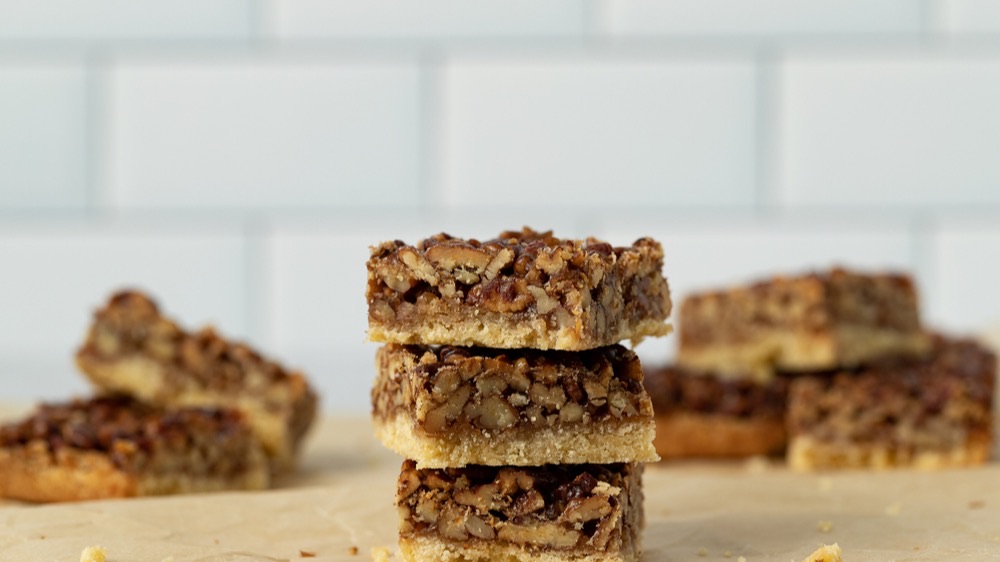
Pecans straight from the bag have a mild, buttery flavor. That’s pleasant when you’re snacking on them, but pecan pie filling is extremely sweet, made from corn syrup or sugar, eggs and butter. Against all that sweetness, raw pecans can taste muted.
Texture is another issue. Raw pecans can soak up moisture from the filling as the pie bakes and cools, leaving them softer than many people would like. Bakers who want a pie where the nuts really shine often find that raw pecans just don’t deliver the bold, nutty flavor they’re hoping for.
What Toasting Does
Toasting pecans brings out their natural oils and deepens their flavor. As the nuts heat up, a browning process called the Maillard reaction creates new, richer, almost caramel-like flavors and a wonderful aroma. Anyone who has toasted nuts knows the kitchen suddenly smells amazing.
Mashed calls toasting the pecans a simple trick for a better pecan pie, because it intensifies their nutty flavor. Toasted pecans also tend to stay a bit crisper, standing up better to the gooey filling. The result is a pie where the pecans taste like pecans, not just a crunchy topping.
How to Toast Pecans in the Oven
The oven is the easiest and most even way to toast pecans. Spread the pecans in a single layer on a rimmed baking sheet and bake at about 350 degrees. Most guides suggest somewhere between 5 and 12 minutes, depending on your oven and whether the pecans are halves or pieces.
Stir or shake the pan halfway through so they toast evenly. As Chowhound points out, the timing can vary, so watch closely and use your nose. When the pecans smell fragrant and turn a shade darker, they’re done. Pull them out right away and transfer them to a plate, since they’ll keep cooking on a hot pan.
The Stovetop Method
If your oven is already busy with holiday cooking, you can toast pecans on the stovetop instead. Put them in a dry skillet over medium heat and stir often for about five minutes, until they’re fragrant and lightly browned. A heavy skillet, like cast iron, works especially well.
This method is quick, but it takes more attention. Pecans can go from perfectly toasted to burned in less than a minute, so don’t walk away from the stove. Stovetop toasting can also be a little less even than the oven, so keep the nuts moving around the pan.
Let Them Cool Before Using
Once toasted, let the pecans cool completely before adding them to your pie filling. Warm pecans can start to cook the eggs in the filling, and they’re harder to chop neatly if you’re using pieces. Cooling only takes about 10 to 15 minutes.
Many bakers toast their pecans a day or two ahead as part of their holiday prep. Stored in an airtight container at room temperature, toasted pecans stay fresh for a few days. It’s one more way to lighten the load on a busy baking day, just like making pie crust or cranberry sauce ahead.
Halves or Pieces?
Some bakers use pecan halves arranged in neat circles on top of the pie, while others stir chopped pecans into the filling. Many do both. Toasting works for either, though chopped pieces toast faster, so keep a closer eye on them.
If you’re using halves for a decorative top, toasting gives them a deeper golden-brown color that looks beautiful once the pie is baked. If you’re chopping them, toast them whole first and chop after they cool, since small pieces burn easily. Tasting Table has a helpful guide to the differences between toasted and roasted pecans.
A Little Pecan Pie History
Pecan pie is often thought of as a centuries-old Southern recipe, but its history is a bit more complicated. The makers of Karo corn syrup helped popularize the version most Americans know today, promoting a recipe on their product labels in the 1930s. The classic Karo recipe is still one of the most widely used pecan pie recipes in the country.
Earlier versions existed too, including pecan custard pies in 19th-century cookbooks. Pecans themselves are native to North America, and Texas loves them so much that it named pecan pie its official state pie in 2013. For more holiday favorites, here’s a look at the Thanksgiving pies that show up across the country.
More Ways to Boost the Flavor
Toasting the pecans is the biggest upgrade, but a few other touches can make your pie even better. A pinch of salt in the filling balances the sweetness and makes the nuts taste nuttier. A splash of vanilla or a spoonful of bourbon adds depth, and a little brown sugar gives a more caramel-like flavor.
Some bakers also brush the bottom crust with a little beaten egg or partly bake it before adding the filling, to keep it from getting soggy. Small details like these are what turn a good pecan pie into the one everyone asks you to bring every year.
Try It This Holiday Season
If you’ve always added your pecans straight from the bag, this is the year to try toasting them first. It takes just a few minutes and adds a rich, nutty flavor you’ll notice in every bite. Your family might not know exactly what changed, but they’ll taste the difference. The same trick works for pecan cookies, pralines, sweet potato casserole toppings and any holiday recipe where pecans play a starring role.
Do you toast your pecans before making pecan pie, or do you use them straight from the bag? And in your house, is it pronounced pee-can or puh-kahn?