8 Organ Meats Grandma Bought That Most Supermarkets No Longer Sell
Walk up to the meat counter at a typical American supermarket today, and you’ll find neat packages of chicken breasts, ground beef, pork chops and steaks. What you probably won’t find is beef tongue, calf brains or a pound of kidneys. Many of those cuts have quietly disappeared from the shelves.
But for Grandma, they were everyday groceries. In the decades before and after World War II, organ meats were a normal part of the American diet. They were cheap, plentiful and filling, and thrifty cooks knew how to turn them into delicious meals. Wasting any part of the animal was unthinkable.
Today, many younger shoppers have never tasted these foods, and some would be shocked to see them on a dinner plate. Here are eight organ meats Grandma bought regularly that most supermarkets no longer carry.
1. Beef Tongue
Beef tongue was once a common sight at the butcher counter. Grandma would simmer it for hours until it was tender, peel off the outer skin and slice it thin. It was served hot with gravy or cold in sandwiches, and many families considered it a delicacy.
Tongue has a rich, beefy flavor and a soft texture when cooked properly. It’s still beloved in many cultures, including in Mexican cooking, where it’s used for tacos de lengua. But in most mainstream American supermarkets, it’s become hard to find. Shoppers often have to visit a specialty butcher or a Latin market to buy it.
2. Calf’s Liver
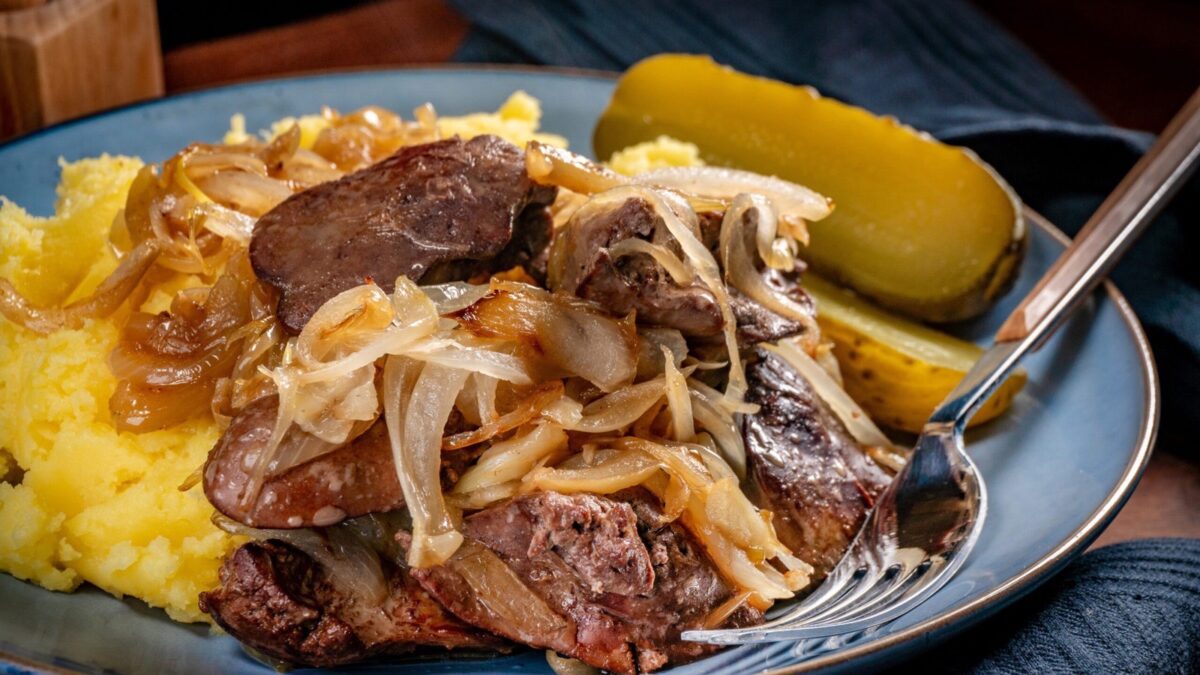
Liver and onions was a classic American dinner for generations. Grandma often bought calf’s liver, which is milder and more tender than beef liver. She would dredge it in flour, fry it in bacon fat and smother it with caramelized onions.
Some kids dreaded liver night, while others loved it. Today, beef liver and chicken livers can still be found in some stores, but calf’s liver has become much harder to come by. Liver and onions has largely moved from the family dinner table to the menus of old-fashioned diners.
3. Beef Heart
Beef heart was an affordable cut that many thrifty cooks relied on. It’s actually a muscle, so it tastes more like a lean steak than many people expect. Grandma might stuff it and roast it, slice it for stews or grind it into meatloaf to stretch the beef further.
Because it was so cheap, beef heart was especially popular during lean years like the Great Depression and the war. Today, it’s rarely seen in mainstream grocery stores. Some butchers carry it, and it has gained a following among adventurous home cooks, but most shoppers have never bought one.
4. Kidneys
Beef, veal and lamb kidneys were once sold at many American butcher counters. They were used in dishes like steak and kidney pie, a recipe brought over from Britain, as well as in stews and sautés.
Kidneys have a strong flavor, and cooking them well took skill. Many cooks soaked them in milk or salted water before cooking to mellow the taste. As American tastes shifted toward milder meats, kidneys fell out of favor. Today, they’re mostly found at specialty butchers.
5. Tripe
Tripe, the lining of a cow’s stomach, was a staple in many immigrant communities and in thrifty kitchens across the country. It was slow-cooked in stews, soups and sauces until it became tender. Philadelphia pepper pot soup, a historic dish, was traditionally made with tripe.
Tripe is still important in many cuisines, including Mexican menudo, Italian trippa and Chinese dim sum. But in many mainstream supermarkets, it’s either gone or tucked away in a small corner of the meat case. Many younger Americans have never tried it.
6. Brains
It may sound shocking today, but calf and pork brains were once sold in American grocery stores. Some families scrambled pork brains with eggs for breakfast, a dish that was especially popular in parts of the South and Midwest. Canned pork brains in milk gravy were even sold on store shelves.
Brains fell out of favor for several reasons, including changing tastes. In the 1990s, concerns about mad cow disease led to restrictions on certain cattle parts, which made beef brains even harder to find. Today, they’re almost impossible to buy in a typical supermarket.
7. Sweetbreads
Sweetbreads are the thymus or pancreas glands of a calf or lamb, and despite their name, they’re neither sweet nor bread. They were considered a delicacy in fine dining and in some home kitchens, where they were soaked, poached and then fried or sautéed.
Grandma might have saved sweetbreads for special occasions. They have a delicate, creamy texture that many food lovers prize. Today, they appear on the menus of upscale restaurants more often than in grocery stores. Most home cooks would have to special-order them from a butcher.
8. Oxtail and Pig’s Feet
Oxtail isn’t technically an organ meat, but it belongs on this list of cuts Grandma bought cheaply that have changed dramatically. Oxtail was once an inexpensive, bony cut used for soups and stews. Pig’s feet, often pickled or simmered with greens, were another thrifty staple.
Both are still sold in some stores, but oxtail in particular has become far more expensive as its popularity grew in restaurants. What was once a poor man’s cut is now a pricey treat. Pig’s feet can still be found in some regions, especially in the South, but they’ve disappeared from many mainstream stores. Many of these old cuts are a big part of regional cooking today.
Why Organ Meats Disappeared
There are several reasons organ meats faded from American grocery stores. As the country grew wealthier after World War II, families could afford more steaks, chops and ground beef, and they preferred them. Supermarkets also moved away from full-service butcher counters toward pre-packaged meat, which favored the most popular cuts.
Changing tastes played a big role too. Many younger Americans grew up without eating organ meats and found the idea unappealing. According to Wikipedia’s overview of offal, these cuts remain popular in many parts of the world, even as they faded from mainstream American shopping carts.
A Thrifty Tradition
For Grandma, using every part of the animal was a matter of common sense. Nothing went to waste, and a little creativity turned inexpensive cuts into satisfying meals. That mindset came from generations who lived through hard times and learned to make do with what they had.
Did your grandmother cook any of these organ meats? And is there one you loved as a child, or one you could never bring yourself to eat?