8 Strange Ways People Kept Food Cold Before Refrigerators
Today, keeping food cold is as easy as opening the refrigerator door. Milk, butter, meat and leftovers stay fresh for days with no effort at all. Most people never stop to think about how remarkable that is.
But electric refrigerators only became common in American homes in the 1930s and 1940s. Before that, families had to get creative. They relied on ice cut from frozen lakes, cool underground rooms, running streams and a whole range of clever tricks to keep food from spoiling, especially during hot summers.
Some of these methods were surprisingly effective, while others sound downright strange today. Many grandparents and great-grandparents still remember a few of them. Here are eight ways people kept food cold before refrigerators came along.
1. The Icebox and the Iceman
Before refrigerators, many homes had an icebox. It was a wooden cabinet lined with tin or zinc and insulated with materials like sawdust or cork. A big block of ice sat in a compartment at the top, and the cold air flowed down to chill the food below.
The ice had to be replaced regularly, which is where the iceman came in. He delivered blocks of ice door to door, carrying them with big tongs and a leather pad on his shoulder. Families put a card in the window to show how much ice they needed. According to Wikipedia’s history of the icebox, many people kept calling their refrigerators “iceboxes” long after the switch.
2. Ice Harvested From Frozen Lakes
All that ice had to come from somewhere. In the winter, workers cut huge blocks of ice from frozen lakes and rivers, using saws and horse-drawn plows. The blocks were stored in insulated icehouses, packed in sawdust or straw, where they could last well into the summer.
The ice trade became a big business in the 19th century. Ice harvested from New England ponds was even shipped to the Caribbean, India and other warm places. Many farms and towns had their own icehouses, and ice harvesting was a winter tradition in cold regions.
3. Springhouses
On farms with a spring or creek, families often built a springhouse. This small stone or wooden building was built over flowing cold water. Crocks of milk, butter and cream were set in the water, which stayed cool year-round.
Springhouses were especially common in Pennsylvania, Virginia and other parts of Appalachia. They kept dairy products fresh far longer than they would last otherwise. Many old springhouses still stand on historic farms today, a reminder of how families once managed without electricity.
4. Root Cellars
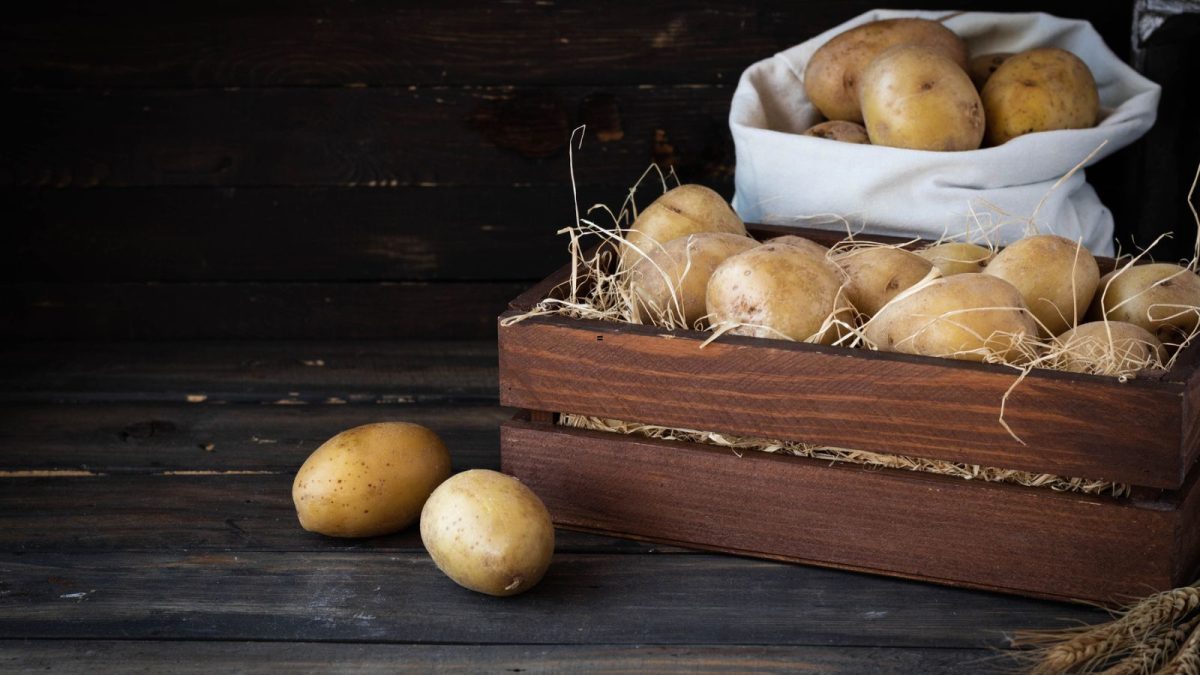
Root cellars were underground or partly underground rooms used to store vegetables, fruits and other foods. The earth kept the temperature cool and steady, and the humidity helped keep produce from drying out. Potatoes, carrots, turnips, apples and cabbages could last for months.
Many farmhouses had a root cellar, either under the house or dug into a hillside. Families filled them in the fall after the harvest, so they would have food through the long winter. Some people still use root cellars today, especially in rural areas. Grandma’s cellar foods helped families get through hard winters.
5. Hanging Food Down a Well
Some families kept food cool by lowering it into a well. A bucket or basket of butter, milk or meat was tied to a rope and dropped down into the cool, dark shaft, just above the water. The steady temperature underground kept it fresh.
It was a simple but clever trick, especially on hot summer days. Kids were sometimes sent to pull up the butter before dinner. Of course, there was always a risk of the rope breaking or the food falling into the water, which made for some memorable family stories.
6. Window Boxes in Winter
In cold climates, families used the outdoors as a natural refrigerator during the winter. They built boxes outside a kitchen window or kept food on a cold porch, where the freezing temperatures kept it fresh. Some people even buried food in snowbanks.
This method only worked in the coldest months, of course. But for families in the northern states, it was a practical way to store extra food when the icebox was full. Some people still put drinks or leftovers on a cold porch during big holiday gatherings.
7. Clay Pots and Evaporative Cooling
In dry, hot places, people used evaporative cooling to keep food cold. One method involved placing a clay pot inside a larger clay pot, filling the gap with wet sand and covering it with a damp cloth. As the water evaporated, it pulled heat away from the inner pot, keeping its contents cool.
Some American households in the Southwest used similar tricks, wrapping food or water jugs in damp cloth and hanging them in a breeze. Evaporative coolers are still used in dry climates today, showing how this ancient method continues to work.
8. Salting, Smoking and Curing
When keeping food cold wasn’t possible, families preserved it in other ways. Meat was salted, smoked or cured so it could be stored without refrigeration. Hams were hung in smokehouses, and pork was packed in barrels of salt.
These methods gave us foods we still love today, like country ham, bacon and jerky. Fish was dried or salted, and vegetables were pickled in brine or vinegar. Preserving food was a big part of life on farms, and many families spent weeks each fall preparing food for the winter.
The Arrival of the Refrigerator
Electric refrigerators began appearing in American homes in the 1910s and 1920s, but they were expensive at first. As prices came down in the 1930s and more homes got electricity, refrigerators became common. By the 1950s, most American households had one.
The refrigerator changed the way families shopped and cooked. They no longer had to buy fresh food every day or rely on the iceman. Leftovers could be saved, and frozen foods became possible. It was one of the most important household inventions of the 20th century. Many 1960s kitchens proudly showed off new appliances.
Lessons From the Past
The old ways of keeping food cold remind us how much effort it once took to feed a family. Many of those methods relied on careful planning, hard work and a deep understanding of nature. Some, like root cellars and curing, are making a comeback among people interested in self-sufficiency. These forgotten household items show how much daily life has changed.
Did your parents or grandparents ever use an icebox, a springhouse or a root cellar? And do you remember the iceman coming to your neighborhood?