6 Boomer Cooking Habits People Are Ready to Ditch, According to Reddit
Some childhood food memories are wonderful. Others involve vegetables boiled until they barely resemble vegetables, dry pork chops, and spaghetti that gets rinsed under cold water before it reaches the dinner table.
For many people, these cooking habits were simply part of growing up. Parents and grandparents passed down recipes and kitchen routines, often without questioning whether there was a better way to prepare certain foods.
But times change, and so do cooking preferences. In several Reddit discussions, people have shared the old-fashioned kitchen habits they have abandoned after learning different techniques. While these practices do not represent every Baby Boomer or every family, they have certainly sparked some entertaining conversations.
Cooking Vegetables Until They Turn Mushy
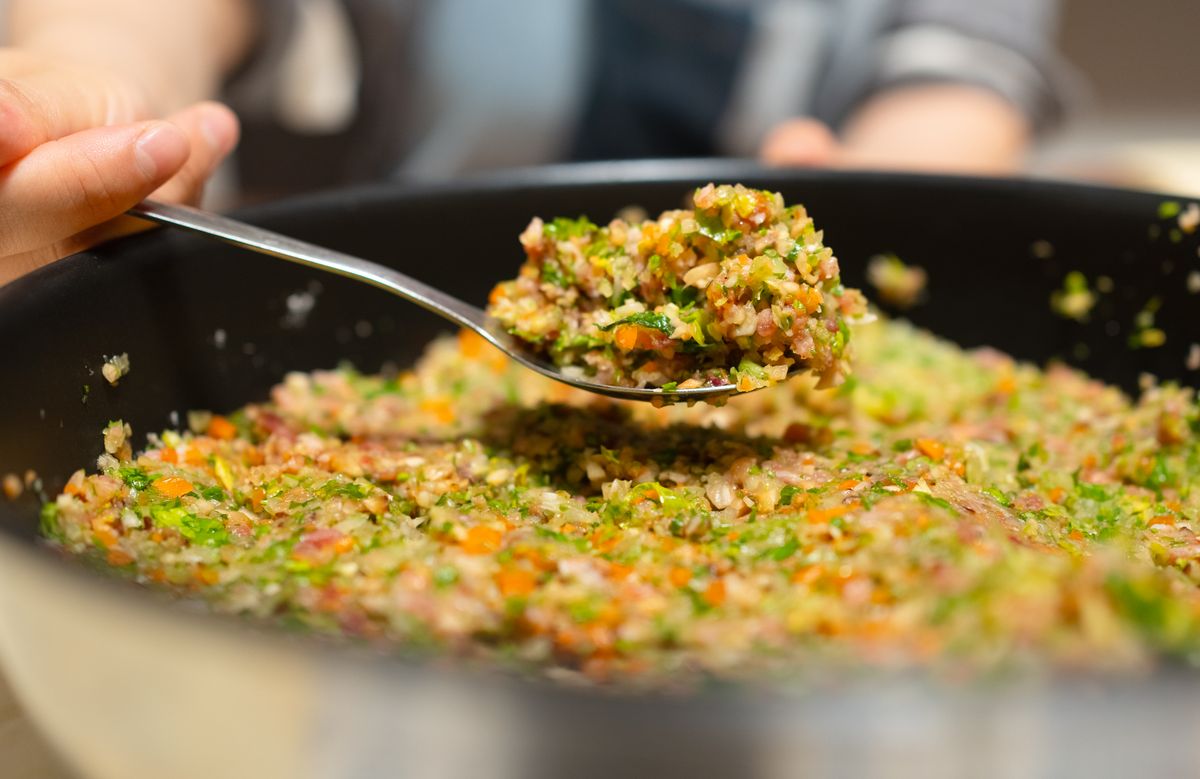
There is a big difference between tender vegetables and vegetables that have been boiled until they lose almost all their texture.
For some people, childhood dinners meant broccoli, carrots, and green beans sitting in a pot of water for far longer than necessary. One Reddit user described the experience: “All the veggies I hated as a kid were just overcooked.”
Another commenter suggested that some parents put vegetables in a pot of water and let them cook while preparing the rest of dinner. It was a convenient routine, but not necessarily the most appealing way to serve vegetables.
Fortunately, plenty of ways exist to prepare vegetables without making them overly soft. Roasting is one popular alternative. Serious Eats recommends arranging vegetables in a single, uncrowded layer to help them develop browned edges.
Boiling still has its place, especially in recipes that call for softer vegetables. The problem is treating every vegetable as though it needs the same cooking method and amount of time. Sometimes, a little crunch makes all the difference.
Cooking Meat Until It Becomes Completely Dry
Few things are more disappointing than cutting into a pork chop or chicken breast and discovering that it has the texture of cardboard.
Some families have traditionally believed that meat needs to be cooked for an exceptionally long time to be properly prepared. In a Reddit discussion about cooking habits inherited from parents, one commenter recalled that pork and poultry were often cooked far beyond their preferred doneness because of germ concerns. The result was often meat that had lost much of its juiciness and appeal.
Modern home cooks are more interested in understanding different cooking techniques than in leaving everything in the oven until it looks completely dry.
Using a food thermometer and following the appropriate cooking instructions can help take the guesswork out of preparation. Different cuts and types of meat have different cooking requirements, so treating every piece the same way is not particularly helpful.
There is nothing wrong with preferring well-done meat. However, nobody needs to confuse dryness with good cooking. A properly prepared meal can still be enjoyable without turning every pork chop into a kitchen workout.
Rinsing Pasta Before Adding the Sauce
This is one of those kitchen habits that can quickly divide a family. Imagine preparing a pot of spaghetti, draining the noodles, and then running them under cold water before adding the sauce. For some households, this has always been the normal routine.
One Reddit commenter recalled, “My mom always rinses pasta noodles.” Another person explained that they had been taught to wash pasta after cooking to prevent it from sticking together. However, rinsing is generally unnecessary when preparing hot pasta dishes.
Barilla recommends draining cooked pasta without rinsing it. The starch left on the pasta helps the sauce cling to the noodles, making the finished dish more cohesive.
A better approach is to drain the pasta, reserve some of its cooking water, and finish cooking it in the sauce. This allows the ingredients to come together rather than leaving the sauce sitting separately at the bottom of the plate.
There are exceptions. Cold pasta salads sometimes call for different preparation methods, and some cooks prefer rinsing.
But for a regular plate of spaghetti, the faucet does not need to be part of the recipe.
Leaving Out Seasoning and Expecting the Salt Shaker to Fix Everything
Have you ever eaten a meal that looked delicious but tasted like something was missing? Sometimes, the problem is not the ingredients. It is the way the food was seasoned.
One of the most popular comments in a Reddit discussion about frustrating cooking habits complained about people who put no salt in their food and expect the salt shaker at the table to do all the work.
Another commenter joked that their parents considered using more than half the recommended amount of garlic excessive.
Of course, seasoning preferences differ from household to household. Some people genuinely enjoy milder flavors, while others prefer dishes with more herbs, garlic, and spices.
The issue is not that every meal needs extra salt. Consider seasoning during preparation rather than treating it as an afterthought.
For example, Serious Eats recommends coating vegetables with oil, salt, and pepper before roasting them. This allows the seasoning to be distributed throughout the preparation process.
There are also perfectly valid reasons for adjusting seasoning, including cooking for someone with specific dietary requirements.
The goal is not to make every dish heavily seasoned. It is to give every ingredient the attention it deserves.
Washing Raw Chicken Before Cooking
For some families, washing chicken before cooking is almost automatic. It is a routine passed down through generations, and questioning it can feel like questioning the entire family recipe book.
In a Reddit discussion about washing meat, one commenter explained, “It’s a thing my family has been doing for generations.”
Others described washing chicken because they disliked its texture straight from the package or wanted to remove anything they believed should not be there.
However, this inherited kitchen routine is worth reconsidering. The USDA advises against washing raw poultry because splashing can spread bacteria onto nearby kitchen surfaces. Instead, it recommends preparing chicken according to proper food-handling instructions.
This differs from rinsing vegetables or washing kitchen equipment. Raw chicken requires its own handling practices.
The interesting part is how strongly people defend this particular habit. For some, it is a matter of family tradition. For others, changing the routine is an easy adjustment once they understand the alternative.
Not every practice passed down through generations needs to stay in the kitchen.
Using a Glass Cutting Board for Everyday Chopping
Glass cutting boards can look attractive on a kitchen counter. They are also easy to wipe down, which may explain why some households have kept them around for years. But they are not necessarily the best choice for everyday chopping.
One Reddit user remembered their mother’s glass cutting board and complained about the loud sound it made whenever a knife hit the surface. Another commenter described using one as particularly unpleasant. Beyond the noise, another practical drawback is that hard glass surfaces can dull knife edges.
Serious Eats recommends choosing wood or plastic cutting boards instead. These materials suit regular knife work and are generally more comfortable for everyday prep.
Glass boards may still look appealing as serving surfaces or decorative kitchen accessories. However, if you regularly chop onions, slice vegetables, or prepare meat, you may want a different cutting surface.
Sometimes, the simplest kitchen upgrade is replacing something that has been sitting in the cupboard for years.
Some Cooking Traditions Are Worth Changing
Family cooking traditions often come with wonderful memories, but that does not mean every technique needs to stay the same forever.
You can appreciate your parents’ recipes while discovering better ways to prepare vegetables, handle pasta, season meals, and organize your kitchen.
The best cooking habits are the ones that make preparing food enjoyable and produce meals you actually want to eat.
And if your family still insists on boiling vegetables until they are completely mushy, perhaps that is one dinner-table debate worth having.